





The Lure of the Ghost Cat
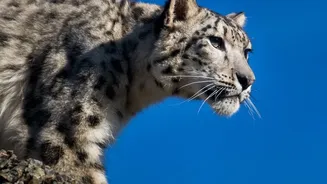
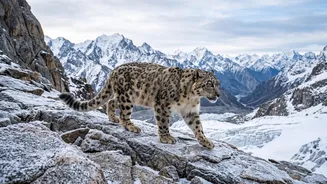
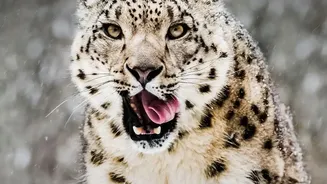
The snow leopard is one of the world's most reclusive big cats, a master of camouflage perfectly adapted to the harsh, high-altitude terrain of the Himalayas. Its thick, smoky-grey coat, dappled with dark rosettes, makes it nearly invisible against the rocky
slopes it calls home. For wildlife enthusiasts, a pilgrimage to Ladakh in search of this animal is the ultimate prize. The challenge of the search is a core part of its appeal. These are solitary creatures, and tracking them requires skill, patience, and a bit of luck. But the reward—a glimpse of this powerful predator in its natural, breathtaking habitat—is an experience that lasts a lifetime.
When to Plan Your Expedition
While Ladakh is a popular summer destination, the prime season for a snow leopard safari is during the harsh winter months, from November to March. The logic is simple: heavy snowfall forces the snow leopard’s primary prey, such as the bharal (blue sheep) and Asiatic ibex, to descend to lower valley floors in search of vegetation. The leopards follow their food source, bringing them into altitudes more accessible to determined trekkers. February is often considered a peak month as it coincides with the cats' mating season, when they are more active and vocal. The snow-covered ground also makes it easier to spot tracks, a crucial advantage for the local guides leading the search.
The Heart of the Hunt: Hemis National Park
Hemis National Park is the epicentre of snow leopard tourism in Ladakh and boasts the highest density of these cats in any protected area worldwide. Spanning a vast 4,400 square kilometres, this high-altitude park is a sanctuary for a remarkable array of wildlife. Expeditions typically focus on specific valleys within the park, such as Rumbak, Husing, and the nearby Ulley Valley, which are known hotspots for sightings. Treks can last several days and often involve staying in parachute camps or village homestays, offering a unique immersion into the local Ladakhi culture. In September 2026, the Ladakh administration also officially launched India's first high-altitude wildlife safari, deploying specially designed vehicles in these key areas to offer regulated and guided tours.
A Day on the Trail
A day on a snow leopard safari starts early. Expert local trackers, who have grown up in this environment, head out before dawn to scan the ridges for fresh pugmarks, scat, or other signs of activity. After breakfast, you will be led to vantage points where you will spend hours patiently scanning the mountainsides with binoculars and spotting scopes. Snow leopards are most active at dawn and dusk, so these are the golden hours for a potential sighting. The trek itself is physically demanding due to the altitude, which often exceeds 13,000 feet, and the extreme cold, with nighttime temperatures frequently dropping well below freezing. Being in good physical condition is essential.
Beyond the Leopard
While the snow leopard is the main attraction, Ladakh's ecosystem supports a wealth of other fascinating high-altitude species. Keep your eyes peeled for herds of bharal, or blue sheep, navigating sheer cliffs, and the majestic Asiatic ibex with its impressive curved horns. The region is also home to the Tibetan wolf, red fox, Himalayan marmot, and a variety of birds, including the golden eagle and the Himalayan vulture. Every animal here is a testament to the resilience of life in one of the world's most extreme environments.
The Importance of Responsible Tourism
The rise in snow leopard tourism has created a powerful conservation model in Ladakh. By providing a sustainable income for local communities through guiding, homestays, and other services, it has transformed the snow leopard from a perceived threat to livestock into a valued asset worth protecting. When choosing an expedition, it is crucial to select operators who work closely with local villagers and contribute to conservation efforts. This ensures that your visit directly benefits the people who are the frontline guardians of this fragile ecosystem. Respecting the wildlife by keeping a safe distance and adhering to park regulations is paramount to ensuring these animals continue to thrive.