




The Potato Predicament
The problem often starts with the humble potato. Using the wrong kind or preparing it incorrectly can doom your koftas from the start. New potatoes, for example, have a high moisture content. When you use them, you're introducing excess water into your kofta mixture.
To compensate, you'll likely add more binding agent, like cornflour or maida, which is the primary cause of dense koftas. Instead, opt for older, low-moisture potatoes. Boil them until just fork-tender, but not mushy or water-logged. Crucially, let them cool completely before you peel and grate them. A cool, dry, and finely grated potato provides structure without adding unwanted moisture.
A Problem with Paneer
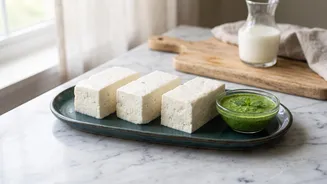
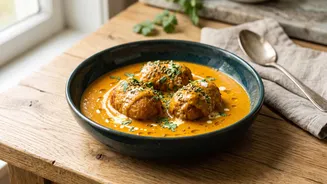
The 'malai' in malai kofta promises a creamy, rich texture, and high-quality paneer is key to delivering that. Using paneer that is too hard, dry, or rubbery will translate directly into the final texture of your dumpling. For the softest koftas, always use fresh, moist paneer. If you're using a store-bought block, make sure to pat it dry to remove any excess moisture before grating it finely. Some chefs recommend mashing the grated paneer with the heel of your palm to make it completely smooth and creamy before mixing it with the other ingredients. This extra step ensures the paneer integrates seamlessly, creating that signature melt-in-the-mouth feel rather than a crumbly or tough bite.
The Binding Blunder
A binding agent is necessary to prevent your koftas from disintegrating in the hot oil, but it's a delicate balancing act. The most common mistake is adding too much cornflour, maida (all-purpose flour), or breadcrumbs. These ingredients absorb moisture, but an excess of them will result in a springy, rubbery, or dense kofta. As a rule of thumb, start with a small amount, such as one or two tablespoons for every cup of paneer and potato mixture. The goal is to use just enough to make the dough come together without being sticky. A good test is to fry a single, small kofta first. If it holds its shape, your mixture is perfect. If it breaks apart, add a little more binder, a teaspoon at a time, until it holds together.
Overworking the Mixture
Treat your kofta mixture with a gentle hand. Once you've combined the grated potato, paneer, binder, and spices, you should mix only until a soft, uniform dough forms. Over-kneading or overmixing the dough is a critical error. Just like with pastry or bread, overworking develops gluten in the flour, which can make the final product tough and chewy instead of light and airy. The mixture should feel soft and pliable, not dense and tight. When shaping the koftas, roll them between your palms just until they are smooth and free of cracks, which can cause them to break open during frying.
Incorrect Frying Temperature
The final, crucial step is frying, and the temperature of the oil is everything. If the oil is not hot enough, the koftas will absorb too much oil, become greasy, and may disintegrate. If the oil is too hot, the outside will brown instantly, leaving the inside raw and creating a hard crust. The ideal temperature is medium-hot. A good way to test it is to drop a tiny piece of the mixture into the oil; it should sizzle and rise to the surface steadily without browning too quickly. Fry the koftas in small batches to avoid overcrowding the pan, which lowers the oil temperature. Let them fry undisturbed for a couple of minutes to form a crust before you begin to turn them gently for even, golden-brown colour.