





The Survivor Crop with a Dark Past
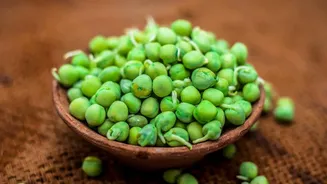
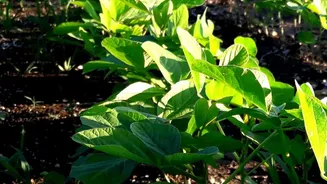
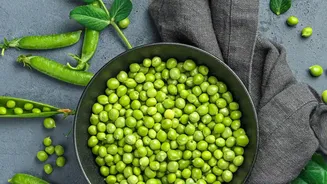
Known locally as khesari dal, grass pea (Lathyrus sativus) is a hardy legume that has been cultivated for thousands of years, especially in Asia and Africa. Its reputation is that of an 'insurance crop' because it can survive where other plants fail.
It tolerates drought, flooding, and salty soils, making it incredibly resilient. However, grass pea has a controversial history. For centuries, overconsumption of traditional varieties has been linked to neurolathyrism, a crippling neurological disorder that causes irreversible paralysis in the lower limbs. This is caused by a neurotoxin called β-ODAP. During times of famine, when other crops failed and people relied solely on khesari dal for months, outbreaks of lathyrism occurred, leading to a ban on its sale in India in 1961.
Built for a Challenging Climate
The very traits that made grass pea a survival food in the past are what make it so attractive to scientists today. As climate change brings more unpredictable weather, from severe droughts to sudden floods, we need crops that can cope. Grass pea thrives in these exact conditions. It requires minimal external inputs, can grow in poor, marginal soils, and is resistant to many pests and diseases that plague other legumes. Furthermore, as a legume, it fixes nitrogen from the atmosphere, naturally enriching the soil and reducing the need for expensive chemical fertilisers. Its high protein content makes it a valuable nutritional source for both humans and livestock, an important factor in regions struggling with food security.
The Scientific Redemption of Khesari
The key to unlocking grass pea's potential has been to solve its toxicity problem. For decades, scientists in India and around the world have been working to develop new varieties of grass pea with low or even negligible levels of the neurotoxin ODAP. Through careful selection and breeding, researchers have successfully created safer strains. Institutions like the Indian Council of Agricultural Research (ICAR) have released varieties such as 'Ratan', 'Prateek', and 'Mahateora', which contain less than 0.1% ODAP, a level considered safe for consumption. These developments are a game-changer, transforming the crop from a potential danger into a safe, high-yield, and nutritious option for farmers.
From the Lab to the Land
Developing safe varieties is only half the battle. The next challenge is reintroducing the crop to farmers and consumers, rebuilding trust that was lost over generations. Demonstration plots are being set up in villages to show farmers the benefits of new, low-toxin varieties. There's also a need to update government policies and formally lift any remaining restrictions to encourage wider cultivation. Furthermore, public awareness campaigns are essential to educate people that the new grass pea is not the same as the one from their grandparents' stories. Traditional preparation methods, such as soaking the dal and discarding the water, can also significantly reduce toxin levels even in older varieties, but the new cultivars make consumption inherently safer.