






A Revolution in Asphalt
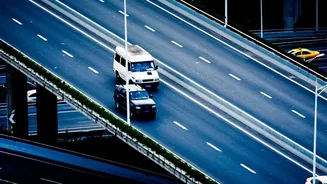
Across the country, a massive infrastructure push is culminating in thousands of kilometres of new, access-controlled expressways. These aren't just wider roads; they are meticulously planned economic corridors designed to slash travel times between major
cities and industrial hubs. For the average traveller, this translates to less time behind the wheel and more time enjoying a destination. The impact is transformative, shrinking distances and fundamentally altering the calculus of planning a quick getaway. Destinations that were previously off-limits for a two-day trip are now firmly on the weekend agenda, thanks to journeys being cut by half or more in some cases.
From Delhi: Hills and Heritage Now Closer
The National Capital Region is a major beneficiary of this boom. The Delhi-Mumbai Expressway, a flagship project, is a game-changer for reaching Rajasthan. A drive to Jaipur, which could take a significant chunk of a day, is now possible in around two hours from the expressway's entry points. This brings heritage cities like Ajmer and Chittorgarh within comfortable weekend range. Similarly, wildlife enthusiasts can now consider Sariska Tiger Reserve for a quick city break, with a drive time of around four hours. For those seeking cooler climes, the Delhi-Dehradun Economic Corridor has been a revelation, cutting the journey to the Himalayan foothills from over six hours to a much more manageable two and a half hours, making destinations like Rishikesh and Dehradun easy weekend escapes.
From Mumbai: Escapes Across the Sea and Ghats
Mumbaikars can now look east with renewed interest. The Atal Setu, also known as the Mumbai Trans Harbour Link (MTHL), has dramatically cut the commute between the island city and Navi Mumbai from a gruelling two hours to a breezy 20 minutes. This not only eases daily traffic but also acts as a gateway to the mainland. It provides faster connections to the Mumbai-Pune Expressway, making getaways to Lonavala and Khandala quicker. It also shortens the route towards the scenic Konkan coast and Goa, turning a previously long haul into a more pleasant drive. Further inland, the Mumbai-Nagpur Samruddhi Mahamarg has halved travel time to about eight hours, opening up central India's landscapes for exploration.
The Southern and Eastern Corridors
The transformation isn't limited to the north and west. In the south, the Bengaluru-Chennai Expressway is poised to slash the journey time between the two metropolises from around six hours to just over two. This will create a high-speed corridor enabling residents of both cities to explore destinations in between, like Vellore and Kolar Gold Fields, without sacrificing an entire day to travel. In Uttar Pradesh, the Ganga Expressway is set to be a game-changer for regional tourism and connectivity. By reducing the travel time between Meerut and Prayagraj from over ten hours to just six, it links key pilgrimage and heritage sites, making them more accessible for religious and cultural tourism.
Planning Your New-Age Road Trip
While these new roads promise speed and convenience, a little planning goes a long way. Ensure your vehicle's FASTag is recharged, as all these corridors are tolled. These expressways are designed for speeds up to 120 kmph, so a pre-trip check of your car's tyres, brakes, and engine health is more important than ever. While many new expressways feature public utility complexes with food courts, fuel stations, and rest areas, it's still wise to map out your stops, especially on newly opened sections where amenities might be sparse. The key is to embrace the new possibilities. A destination that seemed too far last year might be your new favourite weekend spot today.