Understanding the Spectacle
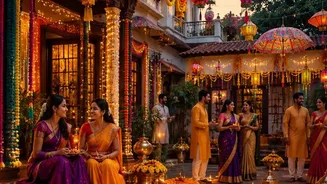
Durga Puja is more than just a religious festival in Kolkata; it is the city's soul laid bare. The epicentre of the celebration is the 'pandal', a temporary structure housing a divine idol of the goddess Durga and her children. Each year, neighbourhoods
compete to create the most elaborate and imaginative pandals, drawing millions of visitors in a tradition known as 'pandal hopping'. This journey is a feast for the senses, blending profound faith with public art and community spirit. The key to enjoying it is knowing where to look, and understanding the distinct character of the city's two halves: the traditional North and the thematic South.
The North Kolkata Trail: A Walk Through Tradition
To experience the classic heart of Durga Puja, begin in North Kolkata. This part of the city is home to the 'bonedi bari' pujas (celebrations in old aristocratic family homes) and some of the most venerable community pandals. Your route should start with Bagbazar Sarbojanin, one of the oldest and most respected pujas, known for its stunningly traditional 'ekchala' idol, where the deities are all framed under a single arch. From there, a short trip takes you to Kumartuli, the potters' quarter. While the area is busiest before the festival, visiting during Puja gives you a sense of where these masterpieces originate. End your northern leg at College Square, a pandal famed for the breathtaking reflection of its lights on the adjacent lake, creating a magical, shimmering spectacle.
The South Kolkata Route: A Journey into Art
South Kolkata is where tradition meets avant-garde innovation. The pandals here are famous for their ambitious themes, which can range from social issues and historical events to abstract artistic concepts. Start your southern exploration at Ekdalia Evergreen Club, a consistent crowd-puller known for its magnificent, large-scale replicas of famous temples from across India. Next, make your way to Suruchi Sangha, which often wins awards for its artistic brilliance and unique themes, frequently representing a different state of India each year through its decor and idol. Another essential stop is Tridhara Sammilani, which is celebrated for its inventive concepts and immersive experiences that often surprise and delight visitors. The pandals in the south are less about nostalgia and more about pushing the boundaries of what a temporary art installation can be.
Practical Navigation and Essential Tips
Conquering Kolkata during Puja requires a strategy. The best way to travel between the northern and southern ends of the city is via the Metro, which runs late into the night and helps you bypass the immense road traffic. Once you are in a specific area like North or South Kolkata, the best way to hop between nearby pandals is on foot. Wear your most comfortable shoes, as you will be walking for hours. The crowds are immense, so be prepared for long queues, especially at the most famous pandals. The city truly comes alive after sunset, and pandal hopping is an all-night affair, so don't be afraid to start your journey late. Stay hydrated, keep your belongings secure, and soak in the incredible energy around you.
A Culinary Pilgrimage on the Go
Pandal hopping is as much a culinary journey as it is a visual one. The streets surrounding major pandals are lined with an endless array of food stalls catering to the festive crowds. This is your chance to sample Kolkata's legendary street food. Grab a 'kathi roll', a filling wrap of kebabs and onions, or try 'puchka' (also known as pani puri), the city's beloved tangy and spicy snack. You will also find stalls selling everything from Mughlai parathas and biryani to Chinese noodles and Bengali sweets like 'mishti doi'. Indulging in these treats is an integral part of the Puja experience, providing delicious fuel for your night of exploration.