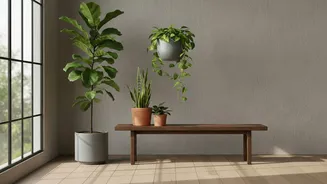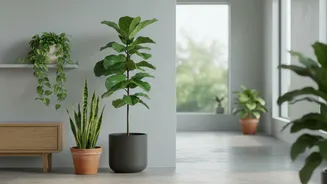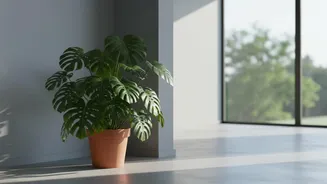



Start by Looking at Your Light
Before falling for a plant at the nursery, you need to become a light detective in your own home. The single biggest factor for plant health is the amount and intensity of light it receives. The direction your windows face determines the kind of light your space
gets throughout the day. In India, this is the primary filter for choosing a plant that won't just survive, but flourish. A common mistake for beginners is ignoring their home's specific light conditions. Simply placing a plant near a window isn't enough; you need to know what kind of light that window provides.
A Compass Guide to Your Windows
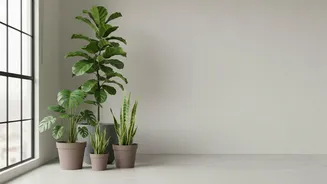
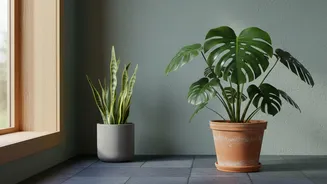
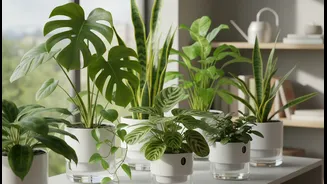
Use your phone’s compass to check the direction of your main windows. This simple step will tell you almost everything you need to know. North-Facing Windows: These offer the gentlest, most consistent indirect light. They never receive harsh, direct sun, making them ideal for plants that can burn easily. Think of plants that grow on a forest floor. Great options include the hardy Snake Plant, ZZ Plant, Pothos, and elegant Peace Lilies. East-Facing Windows: These windows get the soft, direct morning sun, which is less intense than afternoon light. This is a sweet spot for many plants. Most medium-light plants like Philodendrons, Dracaena, and Spider Plants will be very happy here. South-Facing Windows: These are the prime real estate for sun-worshippers. A south-facing window in India provides bright, often intense, direct light for much of the day. This is the place for desert dwellers and tropical sun-lovers like Cacti, succulents such as Aloe Vera and Jade Plants, and even flowering plants like Jasmine. West-Facing Windows: These windows receive the full force of the hot afternoon sun, which can be stressful for many plants. However, heat-loving plants that can handle intense light, like Crotons and some succulents, can do well if properly acclimated. For others, a sheer curtain might be needed to filter the light.
Don't Forget About Humidity
The second critical, and often overlooked, factor is humidity—the amount of moisture in the air. Many popular houseplants, such as Monsteras and ferns, are native to tropical jungles and crave high humidity. Homes in India, especially those with air conditioning running, can have very dry air, stressing these plants out. Signs of low humidity stress on a plant include brown, crispy leaf tips and edges. Conversely, some plants, like succulents and cacti, prefer drier conditions and can be prone to rot in overly humid environments.
How to Assess Your Home's Humidity
You don’t need to be a scientist to get a sense of your home's humidity. For a precise reading, a small, inexpensive digital device called a hygrometer is the best tool. Generally, an ideal level for most tropical houseplants is between 50% and 60%. Without a tool, you can make an educated guess. Rooms like bathrooms and kitchens are naturally more humid. Areas near an air conditioner or heater will be much drier. A simple DIY test is to leave a glass of ice water in a room for five minutes; if lots of condensation forms and drips down the outside, your humidity is likely high. If very little or no condensation appears, the air is dry.
Putting It All Together for a Perfect Match
Now, combine your knowledge. Before you go plant shopping, create a profile for the spot you want to fill. Are you looking for a plant for a north-facing, high-humidity bathroom? A Bird's Nest Fern or a Calathea would love it there. Do you have a spot near a bright, south-facing window in a dry, air-conditioned living room? A Snake Plant or a ZZ plant would be a perfect, tolerant choice. By matching the plant to the pre-existing conditions of your home, you're setting yourself up for success from day one. This planning turns plant ownership from a game of chance into a rewarding journey.