



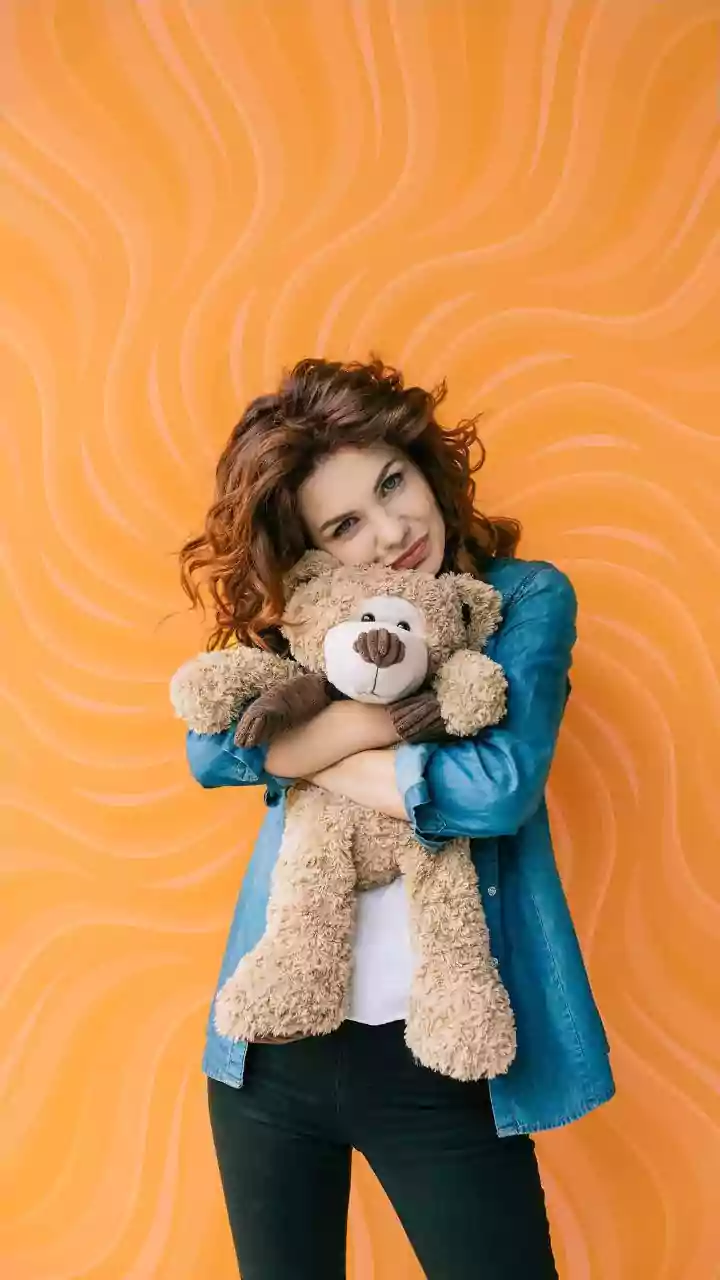





The Rise of the 'Kidult'
The term 'kidult' refers to adults who buy and enjoy products traditionally meant for children. This demographic now accounts for a massive portion of toy sales, with some reports indicating adults drove over half of the toy market's growth in recent
years. While Millennials have long been associated with nostalgia-driven purchases, Gen Z is now fully embracing the trend, collecting everything from trading cards and LEGO sets to plush toys and action figures. This isn't just about reliving childhood; it's a complex movement shaped by modern economics, the search for tangible joys in a digital world, and a redefinition of what adulthood looks like.
Beyond Simple Nostalgia
While the warm feeling of nostalgia is a powerful motivator, the reasons Gen Z and Millennials are collecting go deeper. For many, it’s a form of stress relief and a therapeutic escape from the pressures of adult life. The focused, tactile nature of building a model kit, organizing a card collection, or displaying a figure can be a powerful antidote to digital burnout and anxiety. Psychologists note that collecting can provide a sense of control, order, and achievement. Furthermore, some see these purchases as a tangible investment. Items like rare Pokémon cards, limited-edition LEGO sets, and certain retro video games have shown significant appreciation in value, blurring the line between hobby and asset.
What's on the Collector's Shelf?
The range of collectibles is as diverse as the collectors themselves. Strategic trading card games like Pokémon and Magic: The Gathering are seeing explosive growth. LEGO has successfully pivoted to adult fans with complex lines like its Botanical Collection and detailed 'Star Wars' sets. Action figures from major franchises, designer vinyl toys like Funko Pops, and plush characters are all highly sought after. In many cases, these items aren't just stored away; they are curated and displayed as a form of self-expression, personalizing living spaces and even office desks. The stigma once attached to adults buying toys has largely faded, replaced by an appreciation for the artistry and cultural significance of these items.
A Search for Community and Connection
In an increasingly digital world, collecting offers a powerful avenue for genuine human connection. Social media platforms like TikTok and Instagram, along with forums like Reddit, have become bustling hubs for these communities. Collectors share their latest finds, trade tips, and celebrate their shared passions. This sense of belonging is a major driver of the trend. It provides a space where people can connect with like-minded individuals, moving beyond the screen to in-person conventions and local meetups. This community aspect transforms a solitary hobby into a shared social experience, reinforcing its value and appeal.
An Investment in Happiness
Ultimately, the kidult trend is about more than just toys; it's an investment in personal well-being. For some, it's about 'healing their inner child' by finally affording a toy they couldn't have when they were young. For high-net-worth individuals, it can be about acquiring fine art and other high-value collectibles. But for the average person, it’s about finding joy, expressing identity, and building community. This spending is often seen not as frivolous, but as a deliberate choice to prioritize mental health and happiness. As adults navigate a complex world, these tangible pieces of pop culture offer a sense of comfort, control, and connection that is hard to put a price on.