








The Onion Price Rollercoaster
For households across India, the onion is a staple. Its price, however, is anything but stable. One month it’s affordable, the next, it skyrockets, straining kitchen budgets. This volatility stems from several factors. Onion farming is seasonal, with
the main Rabi crop harvested in March and April, creating a glut. The subsequent Kharif crop is smaller and more vulnerable to erratic monsoon rains. This creates a lean period between August and December when supplies dwindle and prices naturally rise. Hoarding by traders hoping to profit from future scarcity and disruptions in the supply chain can make a tight situation worse, leading to the dramatic price spikes that often make headlines.
Enter the Price Stabilisation Fund
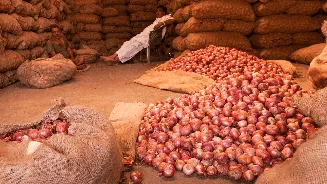
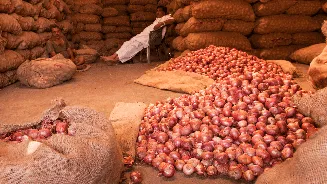
To counter this volatility, the Government of India operates the Price Stabilisation Fund (PSF). Think of it as a strategic national savings account, but for essential food items like onions, potatoes, and pulses. The main goal of the PSF is to protect consumers from sharp price increases while also ensuring farmers aren't forced to sell their produce at a loss during peak harvest seasons. It does this by building a buffer stock—a large reserve of these commodities procured when prices are low and then released when prices surge. This intervention is designed to cool down the market and discourage speculative hoarding.
Building the National Onion Buffer
The process begins after the Rabi crop harvest, typically around April and May, when markets are flooded with fresh onions and prices are at their lowest. Government agencies, primarily the National Agricultural Cooperative Marketing Federation of India (NAFED) and the National Cooperative Consumers' Federation of India (NCCF), step in to buy large quantities of onions directly from farmers or mandis at prevailing market rates. For the 2026-27 season, the government set a target to procure 2 lakh metric tonnes (LMT) for this buffer. These onions are then transported to scientifically designed storage facilities. For the first time in 2026, the Central Warehousing Corporation (CWC) was also engaged to improve storage management and efficiency.
The Calibrated Release Strategy
The release of the buffer stock is a carefully timed operation. It begins during the lean season, usually from August onwards, just as prices start to climb ahead of the festive season, which sees a spike in demand. The Department of Consumer Affairs monitors prices across 579 centres daily to decide when and where to intervene. The onions are released in a calibrated manner through multiple channels. They are sold in wholesale mandis to increase overall supply and are also distributed directly to consumers at subsidised rates. For instance, in August 2026, buffer stock onions were sold for ₹35 per kg through NAFED, NCCF, Kendriya Bhandar, and Safal retail outlets and mobile vans in major cities.
Getting Onions Where They're Needed
A key logistical challenge is moving the onions quickly from storage hubs in producing states like Maharashtra to consumption centres across the country. To tackle this, the government uses a hybrid model of road and rail transport. A significant part of this strategy is the 'Kanda Express', a dedicated railway service for transporting onions. This initiative has been scaled up significantly, from moving 12,000 tonnes to five cities in 2024-25 to around 88,000 tonnes to 16 cities in 2025-26. These dedicated train rakes ensure large volumes of onions can reach markets like Delhi, Kolkata, Chennai, and Guwahati efficiently, helping to stabilise prices faster.
A Delicate Balancing Act
The buffer stock is a powerful tool, but it's not a perfect solution. The government must perform a delicate balancing act. Releasing too many onions could cause market prices to crash, hurting farmers who are still selling their stock. Releasing too few, or too late, would fail to protect consumers. The government's stated aim is to balance consumer interests with remunerative returns for farmers. A 2025 study found the scheme has had some success, reducing retail price volatility by 24% and keeping consumer prices below market rates during interventions, though it procures only a small fraction of the total national output.