




A Lost City on the Mahanadi
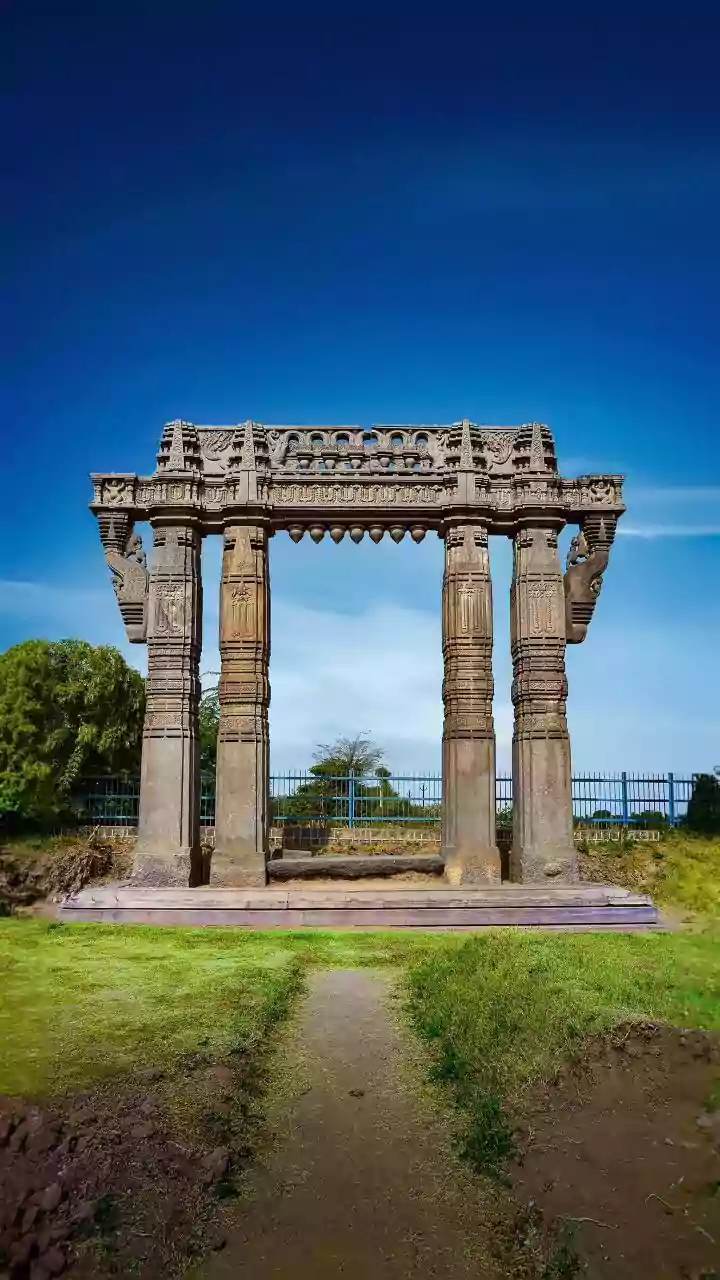
Located about 78 kilometres from Raipur on the banks of the Mahanadi river, Sirpur was once a bustling capital city known as Shripur. It flourished between the 5th and 12th centuries CE, serving as the political and cultural heart of the Dakshina Kosala
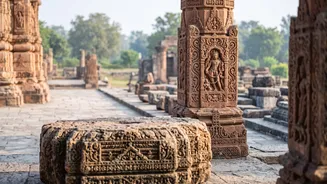
kingdom under dynasties like the Panduvamshis. The city was a thriving urban centre, complete with palaces, markets, and advanced water management systems. For centuries, however, this magnificent city was lost to the jungle, its stories buried under layers of earth. It was only through extensive archaeological excavations, especially those conducted since the year 2000, that the true scale and grandeur of Sirpur have been revealed to the modern world.
A Tapestry of Faiths
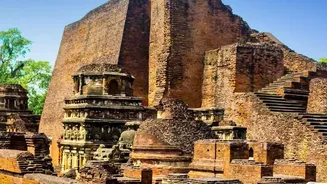
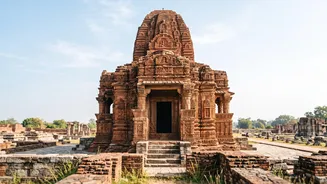
What makes Sirpur truly remarkable is its history of religious harmony. It was a rare melting pot where Hindu, Buddhist, and Jain communities coexisted and flourished. Excavations have unearthed an incredible array of structures: 22 Shiva temples, 5 Vishnu temples, 10 Buddhist monasteries (viharas), and 3 Jain viharas, all within the same settlement. This peaceful coexistence is a testament to the region's tolerant rulers who patronised different faiths. Even the famous 7th-century Chinese traveller Xuanzang noted the strong Buddhist presence in the region during his visit, highlighting its importance as a centre for spiritual learning.
The Crown Jewel: Lakshmana Temple
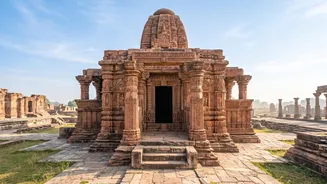
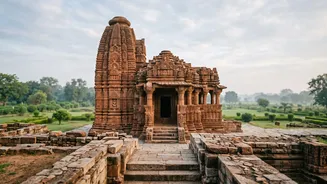
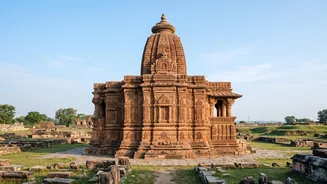
Among the many treasures of Sirpur, the 7th-century Lakshmana Temple stands out. Dedicated to Lord Vishnu, it is considered one of the finest and best-preserved examples of brick temple architecture in India. Built by Queen Vasata, the mother of a Panduvamshi ruler, the temple's intricate carvings and sophisticated design showcase an incredible level of artistry and engineering for its time. Standing on a massive stone platform, its towering brick structure demonstrates a mastery of transforming a simple material into a work of extraordinary artistic expression. This single monument is a cornerstone of Sirpur's claim to outstanding universal value.
What is the UNESCO Tentative List?
Being placed on the Tentative List is a critical achievement. Think of it as an official inventory of sites that a country believes have the potential to become World Heritage Sites. A country cannot nominate a site for the final list unless it has been on its Tentative List for at least a year. It is essentially a declaration of intent, signaling to the world that India considers Sirpur to have 'Outstanding Universal Value'. While it doesn't guarantee a final inscription, it is a necessary and celebrated milestone that puts Sirpur on the global map and initiates the formal process of evaluation by the World Heritage Committee.
The Path Forward for Sirpur
With its inclusion on the Tentative List, the journey for Sirpur has just begun. The next phase involves preparing a detailed nomination dossier that outlines the site's historical significance, conservation plans, and management strategies. This comprehensive document will be submitted to UNESCO for rigorous evaluation. For Chhattisgarh, this recognition brings a renewed focus on preserving this archaeological landscape. Efforts are already underway to improve connectivity between monuments and ensure sustainable tourism, such as using battery-operated vehicles within the site. The state government and the Archaeological Survey of India (ASI) are working together to ensure Sirpur's rich legacy is protected and presented to the world.