



The Comfort of Tradition
For millions in India, coffee means one thing: filter kaapi. This isn't just a drink; it's a cultural heirloom passed down through generations, especially in the southern states. The ritual itself is a source of comfort—the distinct stainless steel filter,
the slow percolation of a dark decoction often blended with chicory, and the final flourish of mixing it with hot milk and sugar in a dabara-tumbler. This method produces a brew that is strong, creamy, and sweet. Its appeal lies in its consistency and deep-seated nostalgia. It’s the flavour of home, of morning conversations, and of hospitality offered to every guest. This emotional connection is why filter coffee remains a beloved staple, a comforting anchor in a rapidly changing world.
A Global Wave Hits Home
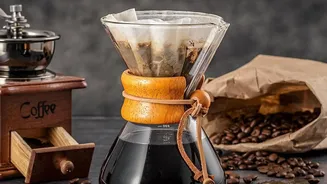
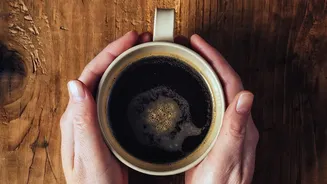
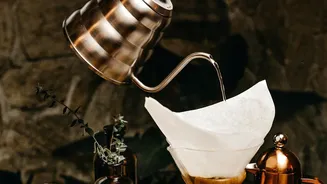
On the other side of the spectrum is the black coffee camp, a movement that has gained significant traction in urban India. Driven by the global “third wave” coffee culture, this group shuns milk and sugar, preferring to experience the unadulterated taste of the bean itself. This is the world of single-origin Arabica, where terms like “fruity,” “floral,” and “acidic” are part of the vocabulary. Brewing methods are precise and varied, from the pour-over, which promises a clean, nuanced cup, to the AeroPress. For these drinkers, coffee is an act of exploration and appreciation for craft. It’s about understanding the bean's origin, roast profile, and the subtle flavours that manual brewing can unlock.
Taste, Science, and Sensation
The differences in taste are not just a matter of opinion; they are rooted in the brewing process. Traditional filter coffee often uses a blend of coffee and chicory, which adds a distinct roasted, slightly bitter depth. The slow drip method creates a strong, concentrated decoction designed to be balanced by milk and sugar. Black brew methods, like the pour-over, use paper filters that trap many of the coffee's oils, resulting in a cleaner, brighter flavour profile that highlights the bean's natural characteristics. The manual control over water temperature and flow rate allows the brewer to extract more delicate and complex notes that might be lost in other methods. So while one camp seeks a harmonious, blended comfort, the other pursues a pure, distinct clarity.
Identity in a Coffee Cup
Ultimately, the choice between filter coffee and a black brew is about more than just taste; it’s a lifestyle statement. Filter coffee represents tradition, community, and a shared cultural experience. It’s a ritual that connects people to their roots and to each other. The black coffee movement, in contrast, often aligns with a more individualistic and globalised urban identity. It reflects a curiosity for new experiences and an appreciation for artisanal products. Our preferences are also shaped by psychology; we often reach for “comfort foods” that evoke positive memories, which explains the deep loyalty to filter kaapi for many. Meanwhile, those with personalities open to novel experiences may be more drawn to the complex world of specialty black coffee. Your choice of coffee, then, says a lot about who you are and what you value.