






The Regal Touch of Damask
Named for Damascus, a historic trading hub, damask is a classic pattern known for its symmetrical, ornate floral and scroll designs. Originally found on luxurious woven silks, it has been a symbol of elegance for centuries. In a modern room, a damask accent
wall can add a sense of opulence and structure. To keep it from feeling dated, consider a contemporary twist. Opt for a large-scale pattern to make a bold statement in a living room or behind a bed. A tone-on-tone color scheme, like a matte grey-on-white or a subtle cream, provides texture without overwhelming the space. For a more dramatic effect, a black and metallic silver damask can create a glamorous focal point, catching the light and adding dimension. The key is balance: let the damask wall be the star and keep surrounding furniture and decor simple and clean-lined.
The Storytelling Power of Toile
Toile, short for 'Toile de Jouy', is a French pattern that originated in the mid-18th century and traditionally features complex, pastoral scenes printed in a single color on a light background. These narrative designs often depict romantic countryside vignettes, historical events, or exotic landscapes. While classic blue-on-white is timeless, modern toiles have expanded the possibilities. Today, you can find them in unexpected colorways like charcoal grey, blush pink, or deep navy. Some designers are even reinventing toile with contemporary scenes, swapping pastoral life for cityscapes or quirky illustrations. To integrate toile into a modern setting, contrast is your friend. Pair a detailed toile wallpaper with minimalist furniture to create a striking aesthetic. It works beautifully in a powder room, entryway, or dining room, where the intricate pattern can be appreciated up close. Using a peel-and-stick version makes it an accessible option for renters or those who like to change their decor frequently.
The Exotic Allure of Chinoiserie
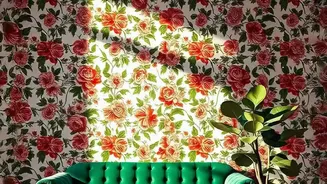
Chinoiserie is a European interpretation of East Asian art and design that became popular in the 18th century. It's characterized by fantastical landscapes, delicate birds, pagodas, and sprawling floral branches. This style brings a sense of the exotic and whimsical to a room. While a bespoke, hand-painted chinoiserie mural is the ultimate luxury, you can achieve a similar effect with high-quality wallpaper. Because of its detailed and often colorful nature, chinoiserie is perfect for a feature wall in a bedroom or living room, creating an immersive, garden-like feel. To modernize it, pick out one or two colors from the pattern and use them for accent pillows or throws. Pairing a chinoiserie wall with modern furniture in natural materials like rattan or light wood helps ground the ornate design and keep the look fresh and eclectic rather than stuffy.
The Bohemian Spirit of Paisley
The teardrop-shaped paisley motif, known as 'boteh' or 'buta', has ancient Persian and Indian origins, where it often symbolized life and fertility. It became a Western sensation in the 18th and 19th centuries when shawls featuring the design were imported from Kashmir. Its modern name comes from Paisley, Scotland, a town that became a major producer of textiles with this pattern. Paisley adds a bohemian, well-travelled vibe to an interior. For an accent wall, you can go bold with a large-scale, colorful paisley wallpaper that channels the psychedelic '60s. Alternatively, a more subdued, small-scale pattern in a neutral palette can add intricate detail without dominating the room. Paisley works well with a mix of textures—think velvet cushions, chunky knit throws, and natural wood furniture—to create a cozy and inviting atmosphere.
The Glamorous Edge of Art Deco
For a dose of old-school glamour, look no further than Art Deco. This style, which exploded in the 1920s and '30s, is all about luxury, featuring bold geometric patterns, symmetrical fan shapes, and strong, clean lines. An Art Deco motif on an accent wall can make a powerful statement. Think rich colors paired with metallic finishes like gold or brass to capture the movement's decadent spirit. Stencils are a fantastic way to apply these patterns, giving you control over color and placement. You can create a repeating fan design behind a bar cart or a geometric pattern in a home office. The key to keeping Art Deco modern is to use it as a highlight. Let the bold pattern anchor the room, then complement it with simpler, contemporary furniture and accessories to avoid a heavy, costume-like feel.