


A Sacred City on a Swollen River
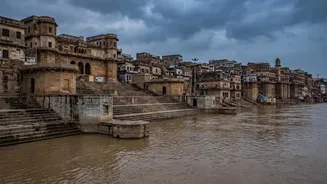
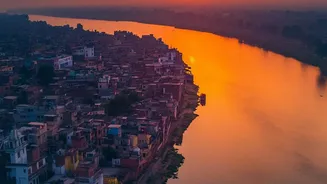
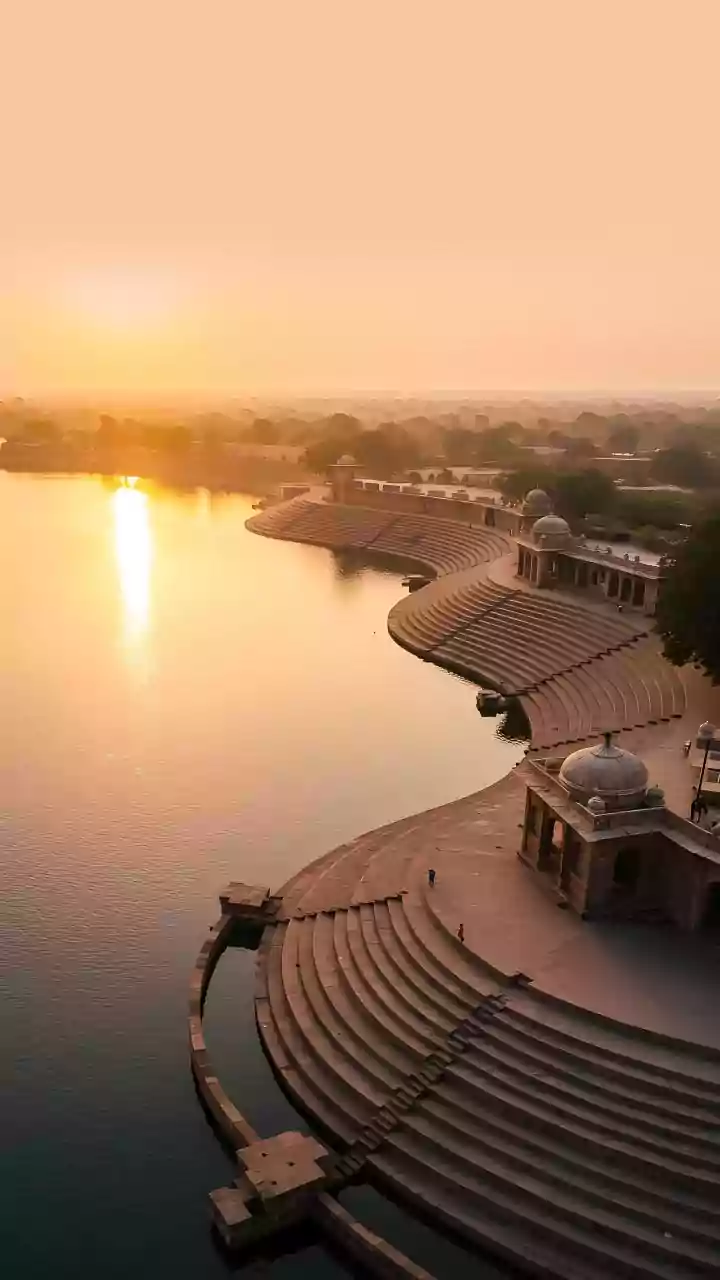
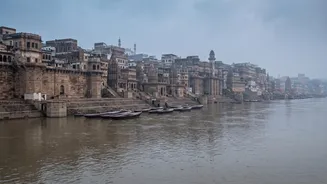
For Americans, it can be hard to grasp the sheer significance of Varanasi and the Ganga. This isn't just a city on a river; it's the spiritual heart of Hinduism, a place where life and death are intimately connected to the water. The river's edge is lined
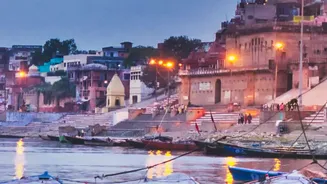
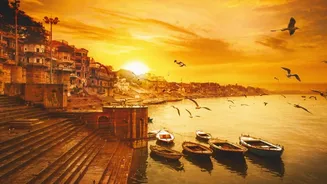
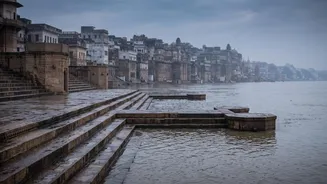
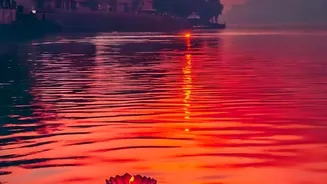
with nearly 100 sets of stone steps, known as ghats, which serve as centers for prayer, bathing, and cremation ceremonies that have run uninterrupted for centuries. The daily Ganga Aarti, a spectacular fire ceremony, draws thousands. This entire ecosystem of faith, culture, and daily life is now facing its annual test as the monsoon swells the sacred river.
Warning Level vs. Danger Level
Recent reports from early September confirm the Ganga's water level has surpassed the official "warning level." According to the Central Water Commission, the river was recorded at 70.54 meters on Thursday, September 3rd, exceeding the 70.26-meter warning mark. This is a critical distinction. The warning level is a trigger for authorities to activate emergency protocols. The "danger level," a more serious threshold, is set at 71.26 meters. While the river is not yet at its danger mark, it has been rising steadily, prompting significant precautionary measures. Adding to the concern, forecasts predict more heavy rainfall in the region, which could push the water level higher.
What It Looks Like on the Ground
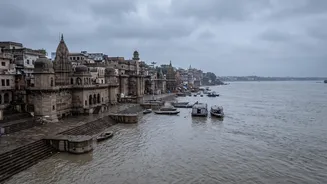
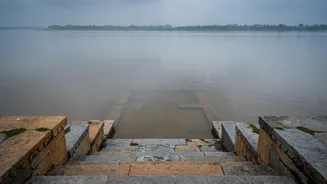
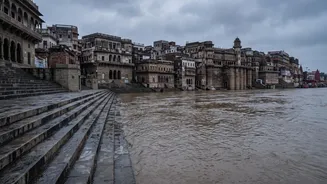
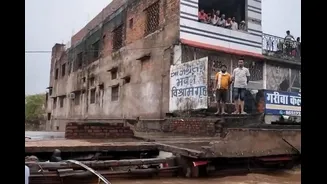
The rising water has dramatically altered the landscape of the ghats. Many of the lower steps and riverside temples are completely submerged. The famed cremation grounds, particularly Manikarnika Ghat, are inundated, forcing these profound final rites to be conducted on the rooftops of adjacent buildings or in crowded upper alleyways. This has created long waits and logistical challenges for grieving families. Normal life has been severely disrupted, with the flooding also affecting low-lying residential areas as the Ganga's high water causes its tributary, the Varuna River, to back up into the city. As a result, hundreds of families have been affected, with many moved to relief camps set up by the district administration.
Official Response and Safety Mandates
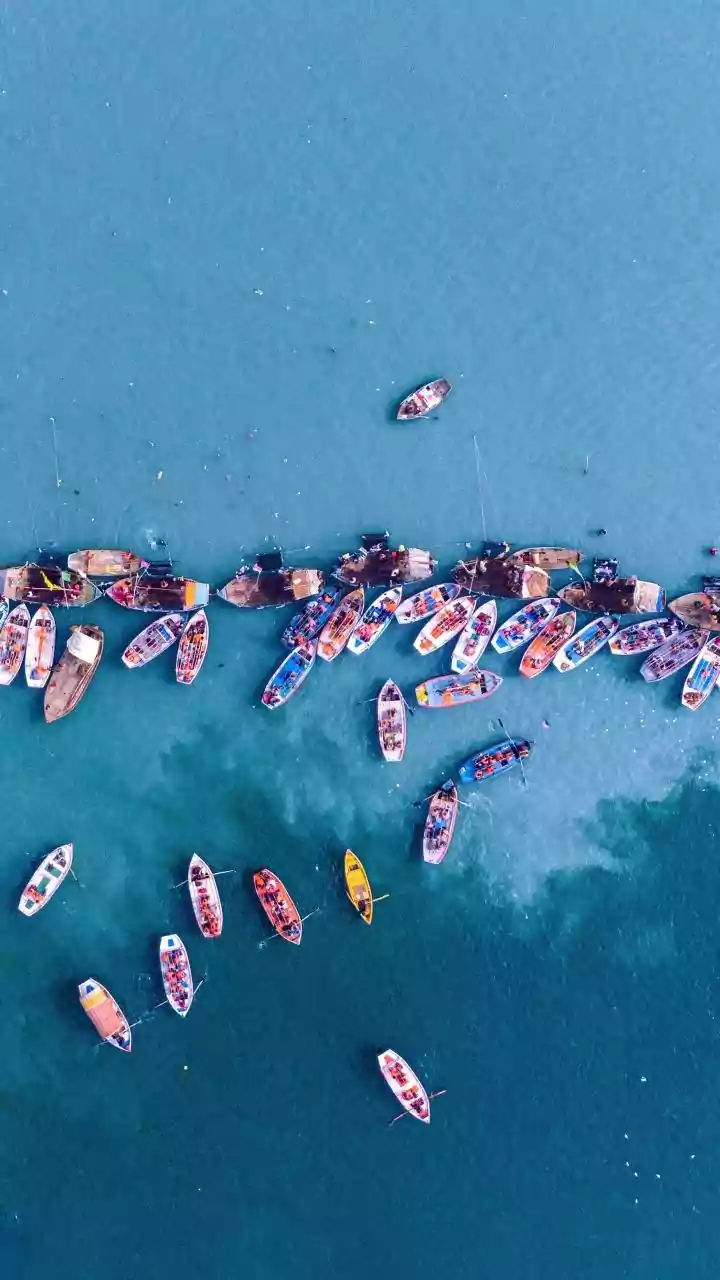
Authorities are taking the situation very seriously. The district administration has suspended all boat operations on the Ganga as a primary safety measure. This means the quintessential sunrise and sunset boat tours, a highlight for many visitors, are currently banned. Police and disaster response teams are patrolling areas along the river, and officials have issued clear advisories urging everyone—residents, pilgrims, and tourists—to avoid venturing onto the ghats or into areas with strong currents. Prime Minister Narendra Modi, who represents Varanasi in Parliament, has been in contact with local officials to review the situation and ensure relief operations are in full swing.
So, Are the Ghats Safe for Visitors?
The direct answer is no, the ghats themselves are not currently safe for typical visitor activities. The risk of slipping on submerged steps, combined with the powerful river current, is significant. The official suspension of boat tours and the directive to stay away from the water's edge should be heeded by all visitors. While you can still visit Varanasi and observe the high water from a safe distance in the upper lanes, the core ghat experience—walking along the river, taking a boat ride, or sitting on the steps—is not possible or advisable at this time. Activities further from the river are largely unaffected, but any travel plans centered on riverside experiences will need to be significantly altered. Conditions can change rapidly, so checking local news and official bulletins is essential.