









A Confusing Name Game Ends
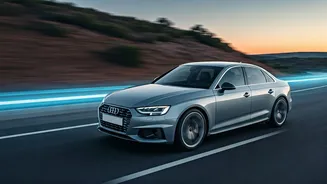
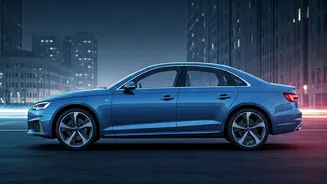
First, let's clear up the confusion. For a brief period, Audi planned a new naming system: odd numbers for combustion cars and even numbers for EVs. This meant the traditional petrol A4 was set to be renamed the A5, leaving the A4 badge for a new electric
model. However, after feedback from customers and dealers suggested this was more confusing than helpful, Audi reversed course. The company is returning to its classic structure where the number denotes the vehicle's size, not its powertrain. While this has caused some temporary head-scratching, the future is now clearer: the A4 name will be reborn for an all-electric sedan, while its combustion engine counterpart will eventually be unified under the same banner.
Meet the All-New A4 e-tron
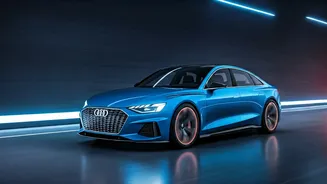
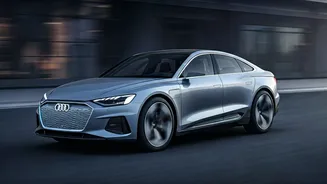
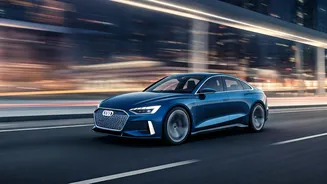
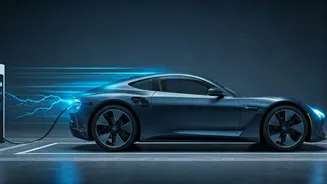
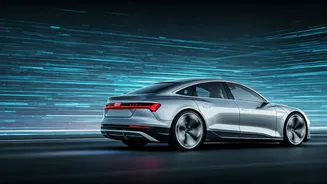
The upcoming Audi A4 e-tron, expected around 2028, is more than just an electric version of the old car; it's a complete reimagining. It will be built on the Volkswagen Group's next-generation Scalable Systems Platform (SSP), a dedicated EV architecture that allows for a flat floor, more interior space, and optimised performance. While official specs are yet to be finalised, reports suggest both rear-wheel and all-wheel-drive (quattro) configurations. Base models are expected to produce around 400 horsepower, with a high-performance S4 e-tron variant pushing over 510 horsepower. The vehicle will feature an 800-volt electrical system, enabling ultra-fast DC charging speeds of up to 270 kW or more, with an anticipated range of over 600 kilometres on a single charge.
The 'Why' Behind the Reset
This major lineup reset is driven by several factors. The primary motivation is the global automotive industry's massive shift toward electrification. With competitors like BMW and Mercedes-Benz aggressively launching new EVs, Audi must adapt to stay competitive. The company has committed to becoming a fully electric vehicle manufacturer globally by 2033, and this strategic realignment is a crucial step in that transition. Furthermore, Audi's lineup had become complex. The new strategy aims to simplify the portfolio for customers and streamline development. This move is part of a fundamental realignment of the company, with a new design philosophy and a more focused product strategy aimed at restoring the brand's clear identity and desirability.
A New Platform, A New Beginning
The A4 e-tron will be one of the first models to use the advanced SSP architecture, but Audi is already laying the groundwork with its Premium Platform Electric (PPE), co-developed with Porsche. This platform, which underpins models like the new Q6 e-tron, is designed specifically for premium electric vehicles. Unlike retrofitting an electric motor into a petrol car's frame, a dedicated EV platform like PPE or SSP allows for superior design and engineering. It enables a long wheelbase with short overhangs, maximising interior space by eliminating the need for a transmission tunnel. This architecture also integrates cutting-edge technology like an 800-volt system for faster charging and sophisticated thermal management to prolong battery life and performance.
What This Means for India
For the Indian market, this global reset is highly significant. Audi India's leadership anticipates that EVs could make up 50% of the luxury car segment by 2028. Currently, Audi's EV offerings in India, like the Q8 e-tron, are fully imported and positioned at the high end of the market. To be competitive in a price-sensitive market with high import duties, local production is essential. The company is actively evaluating local assembly of its EVs in India, potentially using both the PPE and other group platforms. The arrival of a model like the A4 e-tron, especially if locally produced, could be a game-changer, making premium EV technology more accessible and significantly boosting Audi's market share in the country's rapidly growing electric vehicle space.