




The Core Of The Proposal
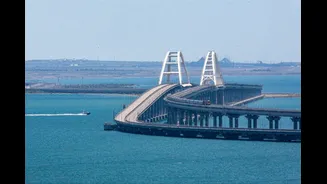
According to multiple reports based on a circulating 28-point draft, the core of the proposal involves a difficult trade-off for Kyiv. Ukraine would be required to cede sovereignty over Crimea and the Donbas region, including territories it currently
still controls. In addition, the plan would reportedly cap the size of Ukraine's military and require a constitutional amendment to ensure the country never joins the NATO alliance. In exchange for these significant concessions, Russia would agree to a ceasefire. For its part, Moscow would see sanctions lifted and potentially be invited to rejoin the G8 group of nations, effectively reintegrating it into the global economy.
The Challenge Of Security Guarantees
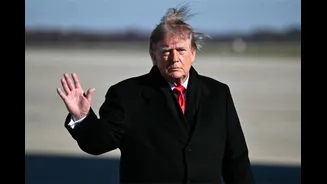
The most complex and contentious part of the plan revolves around 'security guarantees' for Ukraine. Instead of the collective defence offered by NATO membership, this proposal suggests a different arrangement. The United States would reportedly offer its own guarantee, but this protection is conditional. If Russia were to invade Ukraine again after a deal is signed, the US would lead a decisive military response and reinstate global sanctions. However, these guarantees are seen by many experts as limited and weaker than a formal treaty alliance, as they depend heavily on the political will of a future US administration. The plan leaves Ukraine in a vulnerable position, having given up land and military strength for a promise of protection that is not ironclad.
How Kyiv and Moscow Might React
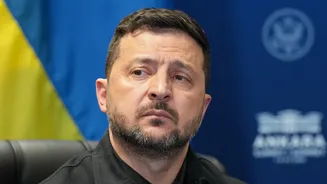
Ukraine's government faces an almost impossible choice. President Volodymyr Zelenskyy has stated that accepting such terms would be a choice between losing dignity and losing a key partner. While recent talks are ongoing, Ukraine has repeatedly insisted that it will not cede territory. For Russia, the plan is largely favourable, as it would achieve many of its stated war aims—territorial gains and a neutral Ukraine—without further military cost. This has led many analysts to believe Russia would agree to the initial terms, seeing it as a strategic victory. However, Russia has shown little willingness to compromise on its maximalist demands, which remains a major sticking point in any negotiation.
Allies And The Geopolitical Fallout
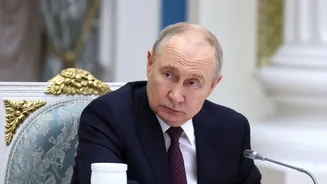
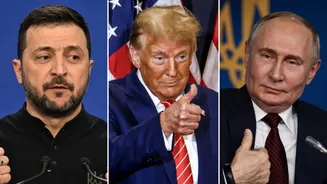
The proposal has generated significant concern among American allies in Europe and bipartisan lawmakers in Washington. Many European leaders fear that rewarding Russian aggression with territorial concessions would set a dangerous global precedent and undermine the principle of territorial integrity that has maintained peace in Europe for decades. Within the US, both Democrats and some Republicans have expressed alarm, arguing that the plan appears to favour the aggressor and fatally weakens Ukraine's ability to defend itself. There is a strong belief among critics that Russian President Vladimir Putin only understands strength, and any agreement not backed by credible force would ultimately fail.
Is The Plan Realistic?
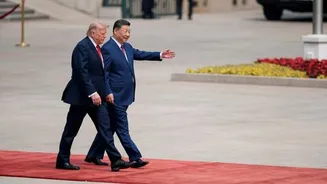
Ultimately, the feasibility of the plan is highly questionable. The central premise requires Ukraine to make permanent, irreversible concessions in exchange for security guarantees that are seen as reversible and unreliable. Analysts point out that lasting peace deals require trust and credible commitments, both of which are in short supply. For Kyiv, agreeing to disarm and surrender land to an aggressor who has repeatedly violated international law is a non-starter. While diplomatic efforts continue, with US envoys meeting with Ukrainian, European, and Russian officials, the fundamental gap between a just peace for Ukraine and the concessions demanded by the reported plan seems too wide to bridge.