

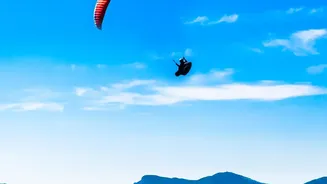
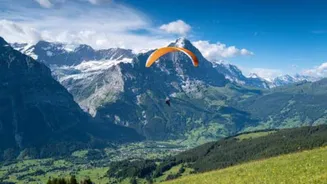
What Exactly Is Tandem Paragliding?
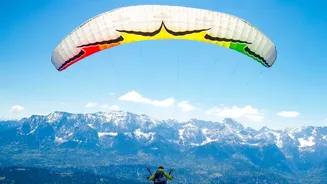
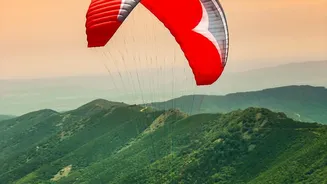
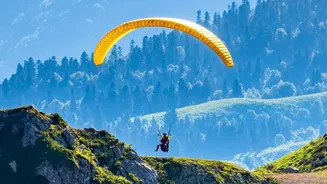
Tandem paragliding is a form of free flight where a passenger flies with a certified and experienced pilot. You are seated in a comfortable and secure harness in front of the pilot, who handles all aspects of the flight. The aircraft itself is a specially
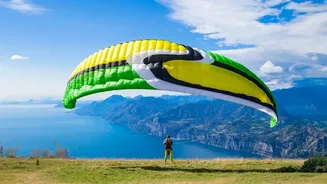
designed fabric wing, larger and more robust than a solo paraglider, built to safely carry two people. Unlike skydiving, there is no jumping from a plane; the launch is a gentle process. After a short briefing, you and your pilot simply run a few steps down a gentle slope until the wing lifts you gracefully into the air.
Your Role: The Passenger Experience
As the passenger, your job is refreshingly simple: relax and enjoy the incredible view. You don’t need any prior experience, special skills, or a high level of fitness. Your pilot manages the takeoff, navigation, and landing. Before launch, the pilot will give you a clear, simple briefing, usually explaining that you need to jog forward for a few steps at takeoff and lift your legs for the landing. Once airborne, you settle back into your harness, which feels surprisingly comfortable and secure, much like a reclined seat. The sensation is not like a rollercoaster; there are no sudden drops. Most people describe the feeling as peaceful, serene, and surprisingly calm.
The Pilot: Your Guide in the Sky
The single most important element for safety in tandem paragliding is the pilot. Commercial tandem pilots are highly experienced professionals with extensive training and certifications. They often have thousands of hours of flight time and intimate knowledge of the local weather patterns and flying sites. Before every flight, the pilot conducts meticulous checks of the weather conditions and all equipment. Flights are only initiated when conditions are well within safe operating margins. This professionalism and expertise is what transforms an adventure sport into a safe and accessible experience for beginners.
Why the Alps Are a Premier Destination
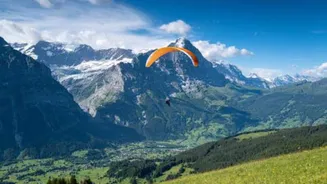
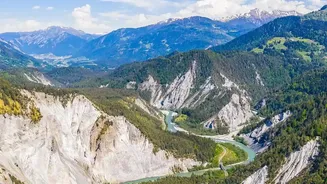
While you can paraglide all over the world, the Alps offer a truly world-class environment for it. The region is considered the birthplace of modern paragliding and has a deeply integrated culture around the sport. The combination of vast mountain ranges, wide valleys, and reliable thermal air currents creates ideal flying conditions. Furthermore, the extensive network of ski lifts and cable cars, many of which operate year-round, provides easy access to high-altitude launch points without a strenuous hike. This infrastructure, combined with unparalleled scenery of dramatic peaks and alpine lakes, makes it one of the most breathtaking and convenient places to experience your first flight.
From Takeoff to Landing
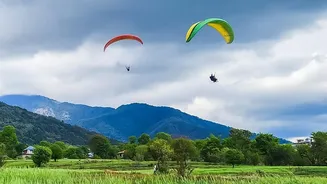
A typical tandem flight experience begins with meeting your pilot, often at a pre-arranged spot at the bottom of the mountain. Together, you'll take a cable car up to the launch site, a journey which is a great time to ask questions. At the top, your pilot will prepare the wing and secure you into your harness, giving a final safety check and briefing. The launch itself involves jogging forward for about 10 to 15 steps. There's no 'jump'—one moment you're running, the next your feet have left the ground and you are flying. The flight itself typically lasts between 15 and 30 minutes, depending on the conditions. The landing is usually a soft touchdown in a large, open field, often requiring just a few steps.
Is Fear a Factor?
Many potential flyers are concerned about a fear of heights, but this is rarely an issue during a tandem flight. Because you are seated securely and moving smoothly through the air, you don't experience the vertigo sensation you might get from standing on a high ledge. The view is panoramic and directed toward the horizon rather than straight down. Most passengers are surprised by how relaxed they feel almost immediately after takeoff. While the anticipation can be nerve-wracking, the actual experience is overwhelmingly described as peaceful and awe-inspiring, not terrifying.