




More Than Just Lemon and Rice
Lemon rice is a beloved comfort food across South India for good reason. It’s a staple in homes and temples, celebrated for its simplicity and vibrant taste. The magic isn't just from squeezing a lemon over rice; it's a carefully orchestrated dish built
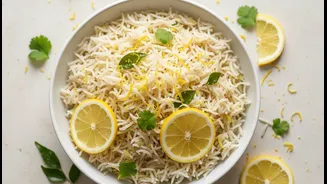
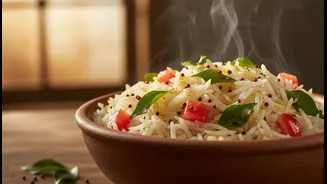
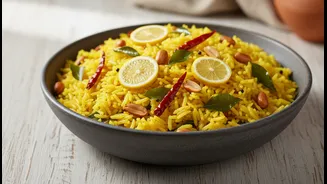
on an aromatic foundation called a 'tadka' or tempering. This process involves sizzling spices like mustard seeds, lentils, and curry leaves in hot oil to unlock their essential flavours. The resulting dish is a beautiful bright yellow from turmeric, with a delightful tang from fresh lemon, a subtle heat from chillies, and an irresistible crunch from dals and peanuts. It’s a complete sensory experience that proves humble ingredients can create something truly extraordinary.
The Anatomy of Great Lemon Rice
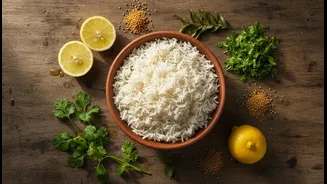
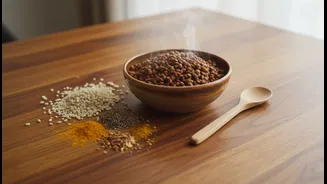
While the headline celebrates basmati—and its long, separate grains are indeed a fantastic choice—authentic lemon rice is versatile. Many traditional recipes use short-grain varieties like Sona Masuri. The most important factor is that the rice is cooked perfectly and cooled. Using leftover rice from the previous day is a classic pro-tip, as the cooled, slightly drier grains hold their shape and won't turn mushy when mixed. The heart of the dish is the tadka. Typically, oil (sesame or coconut oil adds authentic flavour) is heated in a pan. Mustard seeds are added first; once they splutter, urad dal (split black gram) and chana dal (split Bengal gram) are fried until golden, providing a nutty crunch. Finally, curry leaves, dried red chillies, and perhaps some green chillies and asafoetida (hing) join the mix for a final burst of aroma before the turmeric goes in.
A Step-by-Step Guide
To make your own, start with about three to four cups of cooked, cooled rice spread out on a plate. In a pan, heat two to three tablespoons of oil over a medium flame. Add a teaspoon of mustard seeds. When they pop, add a teaspoon each of urad dal and chana dal, frying until they turn light brown. Toss in a handful of raw peanuts or cashews and roast them until crunchy. Next, add a sprig of curry leaves, a couple of broken dried red chillies, and a slit green chilli, sautéing for about 30 seconds. Add a half-teaspoon of turmeric powder and a pinch of asafoetida, stir once, and then turn off the heat. Pour this fragrant tempering over your rice. Add salt to taste and the juice of one to two large lemons. Always use freshly squeezed juice, as bottled versions can be bitter or flat. Gently mix everything together, being careful not to break the rice grains. Let it rest for at least 10 minutes for the flavours to meld together beautifully.
Tips for Perfection
A few small details can elevate your lemon rice from good to great. First, never cook the lemon juice; it should be added at the very end with the heat turned off to preserve its fresh, tangy flavour and prevent bitterness. If your chana dal is too hard, you can soak it in water for about 10 minutes before adding it to the hot oil. For the best texture, fluff your cooked rice with a fork and let it cool completely—spreading it on a tray speeds this up. This step is crucial for ensuring the grains remain separate and don't clump together. Finally, don't be shy with the tempering. The sizzled spices and crunchy dals are not just a garnish; they are fundamental to the dish's texture and flavour profile.
Serving and Variations
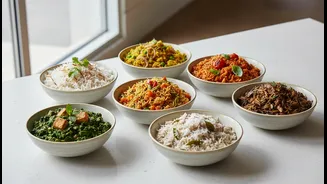
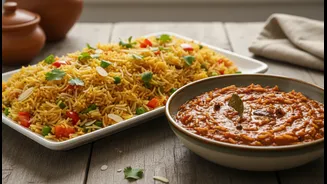
Lemon rice is wonderfully self-sufficient and makes for a perfect light meal or tiffin-box lunch. It’s traditionally served with a side of papad, pickle (achaar), or a simple raita (yogurt dip). But you don't have to stop there. You can easily bulk it up by adding sautéed onions, peas, or other finely chopped vegetables to the tadka. For an extra layer of flavour and richness, some recipes suggest finishing the dish with a sprinkle of freshly chopped coriander. Whether you stick to the classic or add your own twist, this bright and zesty rice makeover is sure to become a regular in your lunchtime rotation.