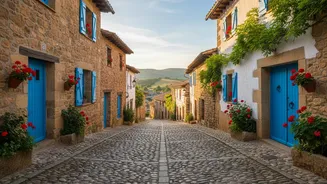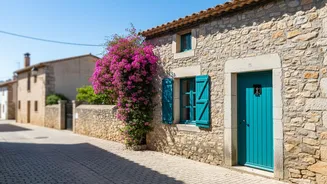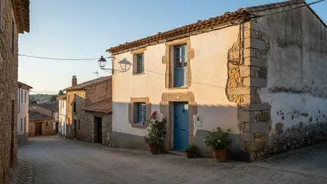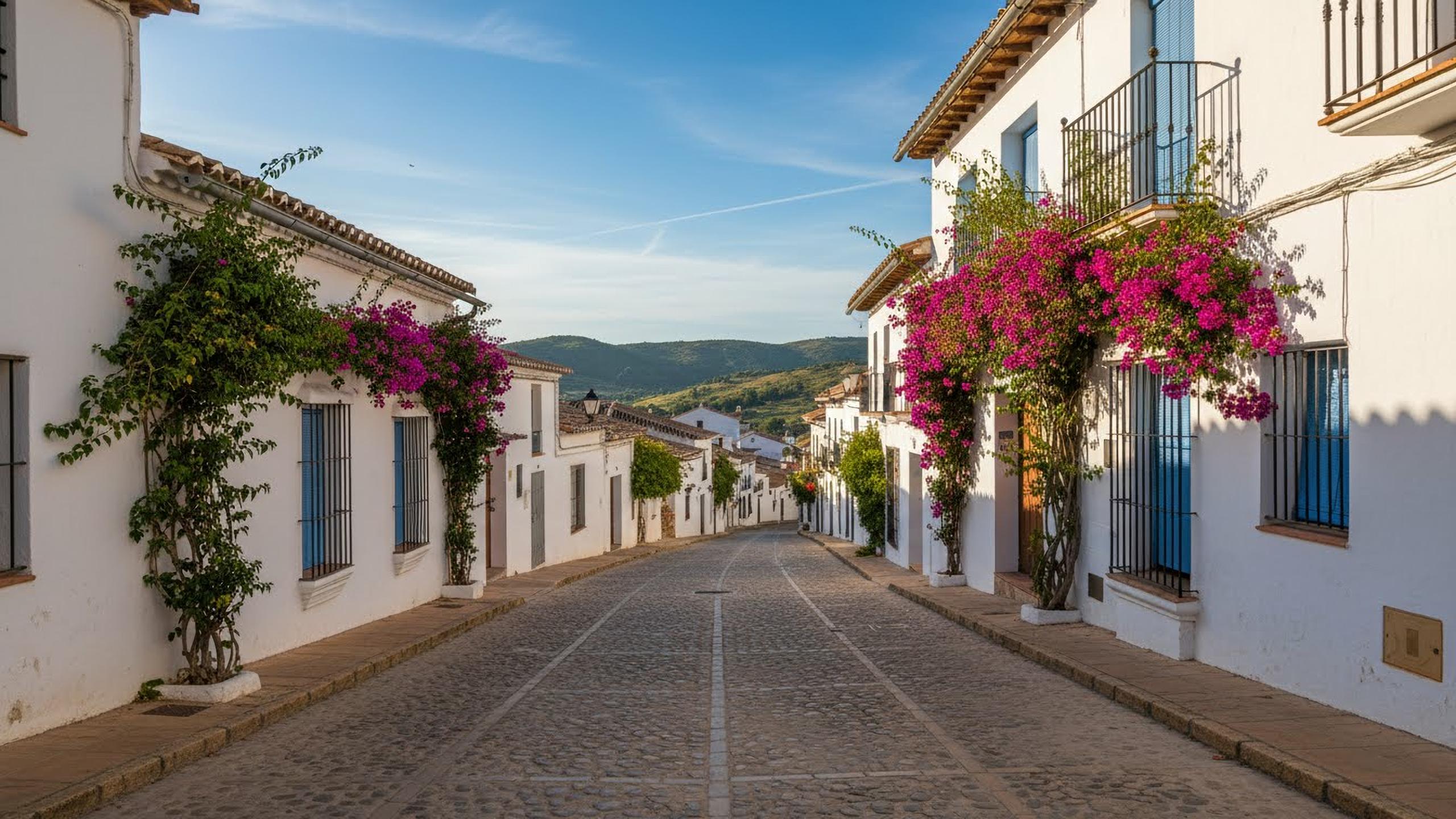







The Village with a Lifeline Offer
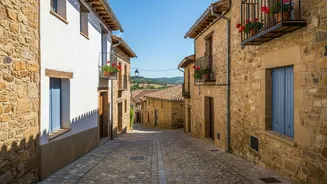
Tucked away in the province of Soria, a sparsely populated region of northern Spain, lies Arenillas. With a registered population of fewer than 50 people, the village is a stark example of a phenomenon known as 'España Vaciada', or 'Emptied Spain'. For
decades, rural communities like this have watched their populations dwindle as younger generations leave for opportunities in cities. Facing the slow disappearance of their way of life, the local council and cultural association decided to act. Their plan was both simple and radical: offer a fully renovated, rent-free municipal house to one family willing to make Arenillas their permanent home. But they knew housing alone wasn't enough. The offer was a complete package, including a permanent employment contract for one family member as a municipal maintenance worker and the potential for another to run the village's social bar—the vital hub of community life.
A Global Deluge of Applicants
The village was hoping to find one ideal family, preferably with school-age children who could help sustain the future of regional schools. What they got was a global phenomenon. Within the first week, over a hundred applications had already arrived. Soon after, that number exploded into the thousands, with inquiries pouring in from across Spain, other European nations, and as far away as Latin America and the United States. The tiny town hall was completely inundated. The sheer volume of interest far exceeded their wildest expectations and administrative capacity, forcing them to officially close the application process. The story of Arenillas went viral, transforming a local repopulation effort into a global symbol of a widespread yearning for change.
Why So Many Wanted to Escape
The overwhelming response wasn't just about a free house; it tapped into a deep and growing dissatisfaction with modern urban living. Across the world, people are grappling with unaffordable housing, relentless work pressure, and a sense of lost community. The Arenillas offer presented a powerful antidote: a life with no rent, stable work, and a close-knit social fabric. It represented a trade-off many seemed eager to make—swapping city convenience for countryside tranquility and financial security. The rise of remote work has also made rural living more viable, planting the idea in many people's minds that a different way of life is possible. The thousands of applications sent to a village of 40 people serve as a powerful poll on contemporary anxieties and aspirations.
The Complicated Reality of 'Free'
While the offer captured imaginations, the reality on the ground is more complex. A critical detail many international applicants may have missed is the legal requirement to live and work in Spain. The offer was primarily open to Spanish nationals, EU citizens, or non-EU citizens who already held a valid residency and work permit. While a municipality can theoretically sponsor a work visa, the process is notoriously slow and bureaucratic, making it a difficult path. The village council now faces the monumental task of sorting through thousands of hopeful applicants to find a family that not only shares their vision for community life but also meets the strict legal and practical criteria. This includes a willingness to commit long-term and integrate into the local culture.