


The Science of Ripening
The key to this kitchen puzzle is a colourless, odourless, and naturally occurring plant hormone called ethylene gas. Often called the “ripening hormone,” ethylene signals fruits to mature by breaking down cell walls and converting starches into sugar,
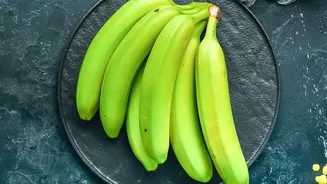
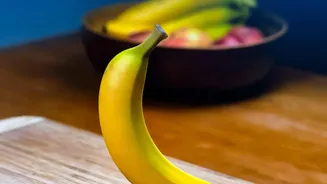
which makes them softer and sweeter. Fruits that produce significant amounts of this gas as they mature are known as climacteric fruits. This process is why a hard, green banana transforms into a soft, sweet, and yellow one. Understanding how ethylene works is the first step to mastering produce storage and reducing food waste.
Meet the Ethylene Producers
Some fruits are notorious for being high ethylene producers. Apples and bananas are perhaps the most well-known, but they are far from alone. This group includes a wide variety of common fruits such as avocados, peaches, pears, plums, cantaloupes, and tomatoes. As these items ripen, they release more ethylene gas into their surroundings. If you’ve ever noticed that one browning banana seems to speed up the ripening of the whole bunch, you’ve seen ethylene in action. The gas released by one fruit signals to its neighbours to accelerate their own ripening process.
The Sensitive Squad
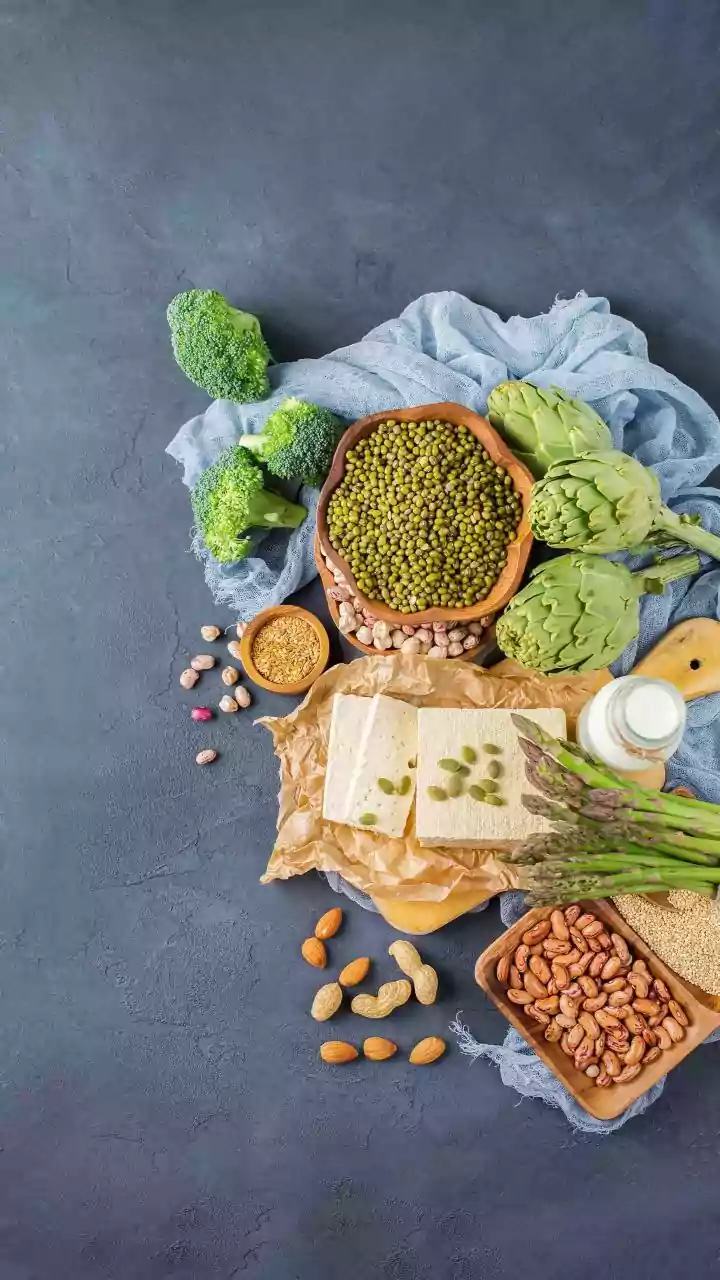
On the other side of the equation are fruits and vegetables that are highly sensitive to ethylene. When exposed to the gas, their own aging process speeds up, leading to premature spoilage. Sensitive items include leafy greens like lettuce and spinach, which can yellow and wilt. Other vegetables like broccoli, carrots, cucumbers, and asparagus are also susceptible; carrots can become bitter, and asparagus can turn tough. Interestingly, some fruits are both producers and sensitive to ethylene, including apples, avocados, and unripe bananas. Storing them in a sealed bag can trap their own gas and cause them to spoil more quickly.
Strategic Storage for a Fresher Kitchen
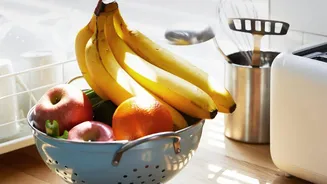
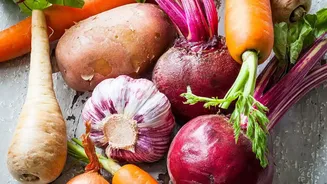
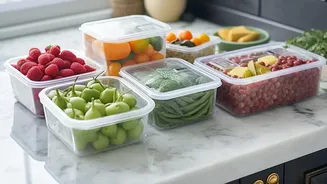
With this knowledge, you can extend the life of your produce through simple separation. The golden rule is to keep high ethylene producers away from ethylene-sensitive items. This doesn't mean you need a dozen different fruit bowls. Simply keeping your apples in a bowl on the counter while your bananas are on a separate hook can make a difference. Store ethylene-sensitive vegetables like broccoli and leafy greens in your refrigerator's crisper drawer, away from ethylene-producing fruits like apples or ripe peaches. For items like potatoes and onions, store them separately in a cool, dark, and well-ventilated space, but not together, as the moisture from potatoes can cause onions to spoil.
Ripening on Demand
You can also use ethylene to your advantage. If you have a rock-hard avocado or a stubbornly green pear that you want to eat sooner, you can harness the power of an apple or a ripe banana. Simply place the unripe fruit in a paper bag with an apple or a ripe banana. Close the bag, and the trapped ethylene gas will concentrate, significantly speeding up the ripening process. Check it daily, as the process can happen quickly. This trick allows you to buy harder, less-ripe fruit—which travels better and is less prone to bruising—and ripen it perfectly at home when you’re ready to enjoy it.