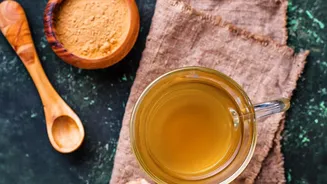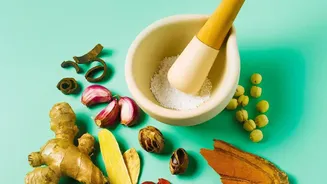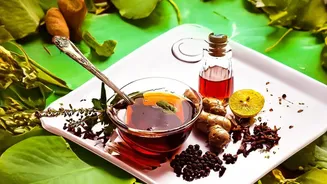





What Exactly Is a Ginger Compress?
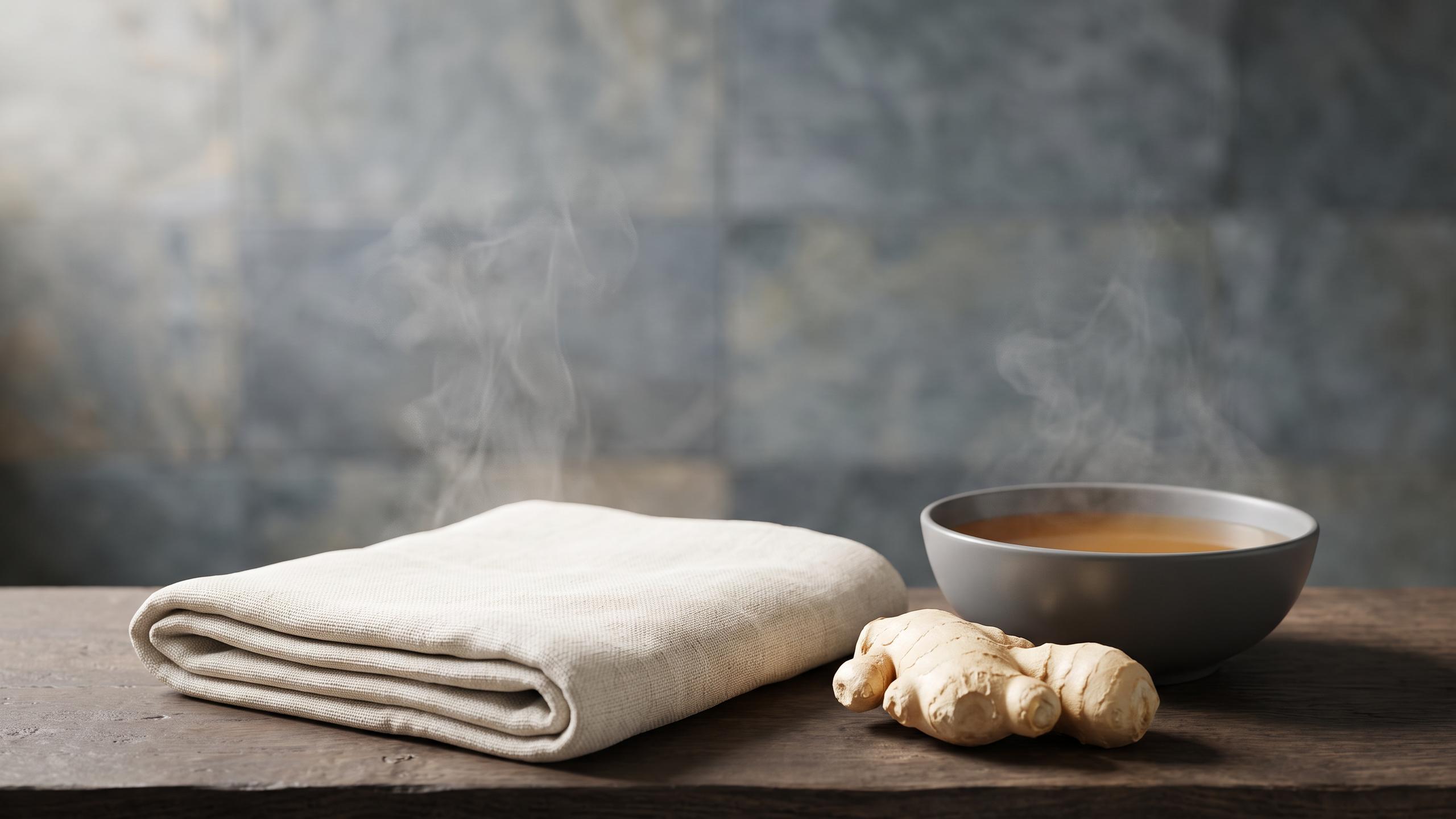
A ginger compress is a simple form of moist heat therapy. It involves a towel or cloth soaked in hot water that has been infused with fresh ginger. This warm, ginger-scented towel is then placed on the body. The goal is to combine the well-known benefits
of a warm compress with the properties of ginger. For centuries, this external application has been used in traditional medicine to stimulate circulation and soothe discomfort in various parts of the body. The heat helps to relax muscles and increase blood flow, while the ginger is believed to add its own unique benefits to the treatment.
The Soothing Synergy of Heat and Ginger
The effectiveness of a ginger compress lies in its two key components. First, the moist heat itself is a powerful tool for relief. It penetrates more deeply than dry heat, helping to relax tense muscles, ease stiffness, and improve circulation to the affected area. This increased blood flow can deliver more oxygen and nutrients to tissues, aiding in the body's natural processes. Second, ginger contains active compounds like gingerols and shogaols, which are known for their anti-inflammatory and antioxidant properties. When applied to the skin, these compounds are thought to stimulate blood flow, creating a warming sensation that can help relieve tension and pain. This combination makes the compress a popular choice for addressing issues that are often made worse by cold or poor circulation.
Traditional Uses and Potential Benefits
Traditionally, ginger compresses have been applied to address a wide array of minor discomforts. They are commonly used to soothe sore muscles, backaches, and stiff joints from conditions like arthritis. Many people also find them helpful for alleviating menstrual cramps and abdominal tension when applied to the lower abdomen. The warming action is believed to help dissolve stagnation and melt away tension. Other historical uses include applying compresses to the chest area for respiratory congestion or to the lower back over the kidneys to promote warmth and energy flow throughout the body. While it is not a cure for any condition, the compress is valued for its ability to provide targeted, soothing relief for chronic and acute aches.
How to Make a Ginger Compress at Home
Creating your own ginger compress is a straightforward process. You will need a large piece of fresh ginger root (about a handful or golf-ball size), a grater, a large pot with water, cheesecloth or a thin cotton cloth, and a couple of towels.
1. Bring about two litres of water to a near boil in the pot, then reduce the heat to a simmer.
2. Grate the ginger root (no need to peel it) and place the gratings into the center of the cheesecloth. Gather the corners and tie it securely to form a small ball.
3. Place the ginger ball into the hot water and let it steep for 5 to 10 minutes.
4. Turn off the heat. Dip a towel into the ginger-infused water. Be very careful, as the water will be hot. Wring out the excess water until the towel is damp but not dripping.
5. Test the temperature to ensure it is comfortably warm, not scalding. Apply the compress to the desired area. You can place a dry towel over the compress to help retain the heat.
6. Leave the compress on until it cools, typically for about 15-20 minutes, reapplying a freshly soaked towel as needed.
Safety Precautions and When to Avoid
While generally safe, there are important precautions to take. The most significant risk is skin burns from water that is too hot; always test the temperature before application. Some people may experience skin irritation from the ginger itself. It's wise to perform a patch test on a small area of skin first. Do not apply ginger compresses to broken skin, open wounds, areas with swelling or bruising, or on infants. People with certain health conditions, such as bleeding disorders, gallbladder disease, or those taking blood-thinning or blood pressure medications, should consult a doctor before using ginger compresses. It is also recommended to avoid this treatment if you have a high fever or during pregnancy, unless cleared by a healthcare provider.