






Sabudana: The Versatile Classic
Sabudana, or tapioca pearls, is a staple of vrat cooking for a reason. It is light on the stomach, provides a quick source of energy, and is incredibly versatile. While Sabudana Khichdi is a beloved classic, don't let its popularity limit your creativity.
The same pearls can be transformed into crispy Sabudana Vadas, perfect for an evening snack. For a sweet dish, Sabudana Kheer offers a creamy, comforting dessert. You can even use sabudana flour as a binding agent for other dishes like tikkis, showcasing its ability to adapt to savoury, sweet, and structural roles in your fasting kitchen.
Kuttu ka Atta: The Nutrient-Packed Flour
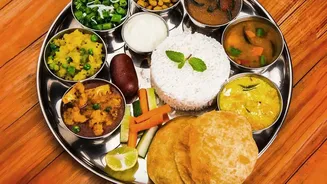
Kuttu ka atta, or buckwheat flour, is a pseudo-cereal, which is why it's permitted during fasts when regular grains are avoided. It has a distinct nutty flavour and is packed with nutrients. The most common use is for making crispy Kuttu ki Puri, often paired with a simple potato curry seasoned with rock salt (sendha namak). But this flour can also be used to make savoury pancakes or cheelas, offering a lighter alternative to deep-fried puris. For those looking for a different texture, it can be mixed with mashed potatoes to create delicious and filling tikkis.
Samak ke Chawal: The Go-To Grain Substitute
When you're missing rice, Samak ke Chawal, or barnyard millet, is the perfect substitute. This tiny grain is light, easy to digest, and cooks quickly. It can be prepared as a simple pulao, sautéed with cumin seeds, green chillies, potatoes, and peanuts for a wholesome one-pot meal. For a comforting and sweet option, Samak ki Kheer is a wonderful dessert. Some creative cooks even use ground samak rice flour to make vrat-friendly idlis or dosas, demonstrating its impressive range and proving that you don't have to give up your favourite meal formats while fasting.
Makhana: The Healthy Snack and Curry Star
Makhana, or fox nuts, are a nutritional powerhouse, rich in protein, calcium, and fibre. Their low-calorie nature makes them an ideal snack for maintaining energy levels during a fast. The simplest way to enjoy them is by roasting them in a little ghee with a sprinkle of sendha namak until they are crisp. However, they also add a wonderful texture to savoury dishes. Try adding roasted makhana to a simple tomato and peanut curry to make a rich and satisfying main course. For dessert, Makhana Kheer, where the nuts are simmered in milk with cardamom and nuts, is a timeless classic.
Root Vegetables and Gourds: The Earthy Foundation
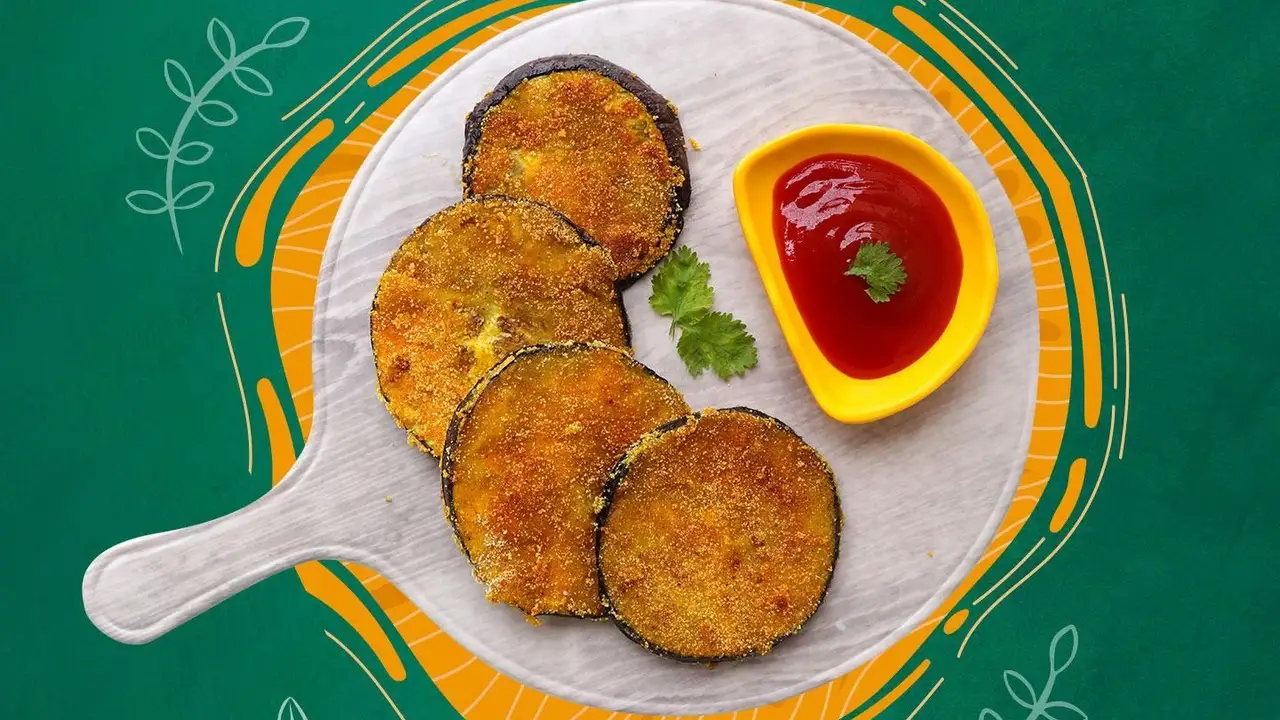
Beyond the usual potato, the world of vrat-friendly vegetables offers plenty of variety. Sweet potato (shakarkandi) can be roasted, boiled and made into a chaat, or even pan-fried as flavourful slices (kaap). Colocasia root (arbi) can be fried until crisp or made into a simple curry. Bottle gourd (lauki) is another excellent option; while often used in savoury preparations, it can also be transformed into a delicious Lauki ka Halwa. These vegetables provide essential nutrients and fibre, forming a hearty and grounding base for your fasting meals and allowing for endless creativity in the kitchen.