





The Game-Changing New Visa Rule
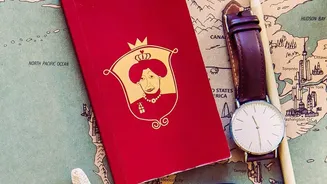
The big news for Indian travellers is a significant easing of visa rules. In late August 2026, Uzbekistan announced a new policy allowing for 30-day visa-free entry. However, it's important to understand the specifics. This visa-free access initially
applies to Indian citizens who hold a valid multiple-entry visa for countries like the USA, UK, Canada, or the Schengen states, and have an air ticket for return or onward travel. While a broader, more universal visa-free agreement was also announced during high-level talks, travellers should verify the exact start date and final requirements through official channels like the Uzbek embassy before making non-refundable plans. This move replaces the previous e-visa requirement for eligible visitors, removing a key step and cost from the planning process.
Why This Matters for Indian Travellers
This policy shift is a game-changer, drastically simplifying the journey to one of Central Asia's most historic destinations. The removal of visa hurdles for many means less paperwork, reduced upfront costs, and the freedom for more spontaneous travel planning. The growing ease of access reflects the strengthening ties between the two nations and a sharp rise in interest from Indian tourists. In recent years, the number of Indian visitors to Uzbekistan has grown significantly, nearly 1.8 times between 2022 and 2025. Adding to the convenience, direct flight connectivity is robust, with around 14 flights per week linking cities like Delhi and Mumbai with Tashkent. Furthermore, an agreement to integrate India's UPI payment system is set to make transactions even smoother for visitors.
A Land of Shared History
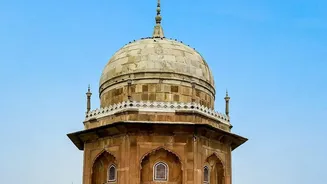
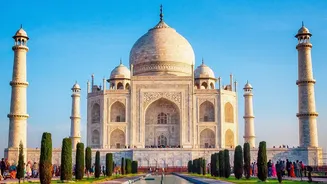
Beyond modern convenience, Uzbekistan holds a deep and personal connection for many Indians through centuries of shared history. The most prominent link is the Mughal dynasty; its founder, Babur, was born in Andijan, in present-day Uzbekistan. His memoirs paint a vivid picture of the cultural landscape he carried to India, influencing architecture, cuisine, and courtly traditions for centuries. This shared heritage is visible in the stunning tilework and domes of Mughal-era monuments in India, which echo the architectural styles of Samarkand and Bukhara. This historical bond, rooted in the ancient Silk Road, creates a familiar cultural context that makes a trip to Uzbekistan feel like a journey into a part of our own extended story.
Explore the Golden Triangle
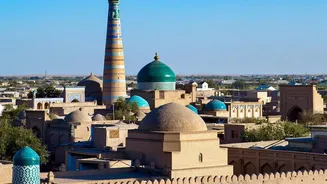
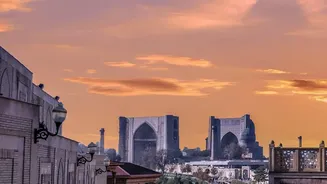
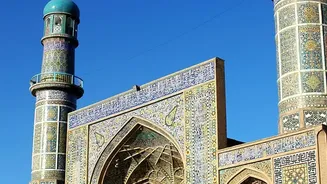
For first-time visitors, the classic Uzbekistan itinerary covers three legendary Silk Road cities. First is Samarkand, home to the awe-inspiring Registan Square, a plaza flanked by three magnificent madrasas adorned in brilliant blue tiles. Next is Bukhara, a UNESCO-listed old city where you can wander through ancient, covered markets and admire the towering Kalyan Minaret. Its streets feel like a living museum. Finally, there is Khiva, a perfectly preserved walled city known as Ichan-Kala, where the entire inner town feels frozen in time. These cities form the country's tourism heart, each offering a unique window into the region’s glorious past.
Practical Tips for Your Trip
The best time to visit Uzbekistan is during the spring (April-May) and autumn (September-October), when the weather is pleasant for sightseeing. The local currency is the Uzbek som, and while it's a closed currency, Indian travellers may find their money goes a long way, making it a budget-friendly international destination. When it comes to food, the national dish is Plov, a hearty rice pilaf with meat and vegetables. While Uzbek cuisine is meat-heavy, vegetarian options like pumpkin-filled 'manti' (dumplings) and 'samsa' (baked pastries) are often available, especially in tourist centres. The love for Indian culture, from Bollywood films starring Raj Kapoor to the popularity of yoga, ensures a warm welcome for Indian visitors.