






A Pioneer Goes Silent
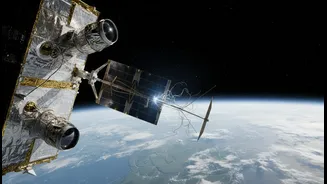
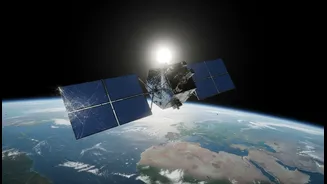
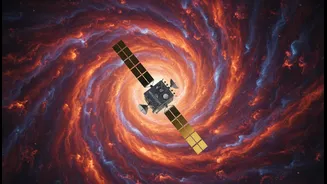
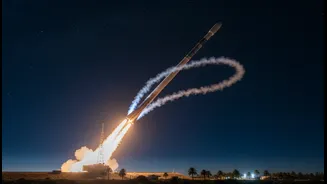
Bengaluru-based space-tech startup GalaxEye confirmed on July 7, 2026, that it had lost communication with its flagship satellite, known as Mission Drishti. The satellite, launched on May 3 aboard a SpaceX Falcon 9, encountered a severe geomagnetic solar
storm during the final stages of its initial setup in orbit. The company reported that communication became intermittent before being lost entirely. While recovery efforts are technically ongoing, GalaxEye has stated that the likelihood of re-establishing contact appears low. Preliminary analysis suggests that radiation from the solar event likely damaged a critical onboard system, ending the mission prematurely.
What is OptoSAR Technology?
The loss of Mission Drishti is particularly notable because it was the first satellite to carry OptoSAR technology. This new system combines two powerful types of Earth observation into a single platform. The first is traditional optical imaging, which captures high-resolution pictures like a standard camera but is limited by clouds, smoke, or darkness. The second is Synthetic Aperture Radar (SAR), which uses radar pulses to create images, allowing it to see through clouds and at night, though the resulting images can be difficult to interpret. By integrating both sensors to capture data of the same spot simultaneously, OptoSAR technology promised to deliver clear, detailed, all-weather images day or night—a significant leap forward for remote sensing.
The Promise of Mission Drishti
Developed by alumni of IIT Madras, the 190 kg Mission Drishti was India's largest privately built Earth observation satellite. Its goal was to address the challenge of monitoring regions, like much of tropical India, that are frequently covered by clouds. This capability would have provided highly reliable and frequent intelligence for a wide range of applications, including disaster management during floods or cyclones, agricultural monitoring, border surveillance, and infrastructure planning. Before the anomaly occurred, GalaxEye confirmed that the satellite had successfully completed a major portion of its initial deployment phase, validating several key systems and demonstrating the company's in-house mission control capabilities.
A Setback, Not an End
While the loss of a pioneering satellite is a blow, the space industry is familiar with the high risks of innovation. Suyash Singh, CEO of GalaxEye, framed the event as a valuable, if costly, learning experience. He stated that the mission provided invaluable engineering insights that will directly strengthen their future projects. The company has learned from the failure and is accelerating plans to bring more of its supply chain and manufacturing in-house to have greater control over the entire process. This incident highlights the harsh realities of operating in space, where unpredictable events like solar storms can have devastating consequences for even the most advanced hardware.