





A Fresh Balance to the Feast
Festive meals in India are a joyous celebration of flavour, tradition, and togetherness. From fragrant biryanis and rich curries to decadent sweets, the table is often laden with heavy, elaborate dishes. While these are the heart of the celebration, a fresh,
crisp salad can elevate the entire experience. It provides a much-needed balance, cutting through the richness with its light and zesty character. A Mediterranean salad, in particular, serves as more than just a side dish; it’s a palate cleanser and a nutritious addition that ensures the meal feels both indulgent and wholesome. Its bright colours and fresh ingredients can make your entire festive spread look even more appealing.
The Heart of Mediterranean Cuisine
So, what exactly makes a salad 'Mediterranean'? It’s less about a single rigid recipe and more about a philosophy of using fresh, high-quality ingredients. The foundation typically includes juicy tomatoes, crisp cucumbers, thinly sliced red onion, and briny Kalamata olives. What truly sets it apart is a generous amount of good-quality feta cheese, often served as a whole slab on top rather than crumbled. Unlike many salads that start with a bed of lettuce, a traditional Greek 'horiatiki' salad (or village salad) often omits lettuce entirely, letting the robust flavours of the chopped vegetables shine. This focus on simple, fresh produce is a hallmark of the Mediterranean diet, widely regarded for its health benefits.
Creating a Visual Masterpiece
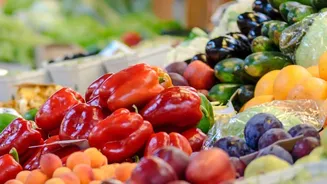
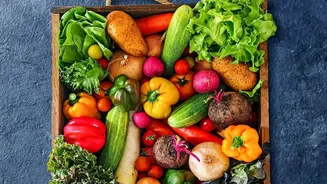
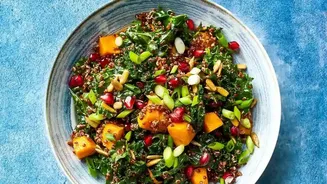
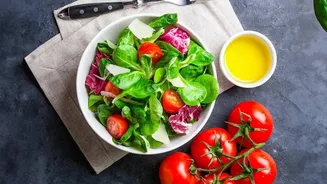
The headline promises a 'colourful accompaniment', and a Mediterranean salad delivers effortlessly. To create a visual showstopper, think in terms of a rainbow. Use a mix of red and yellow bell peppers for sweetness and crunch. Bright cherry tomatoes, halved, add bursts of red. The deep purple of Kalamata olives and the sharp red of the onion provide a beautiful contrast against the cool green of the cucumber. Fresh herbs are not just for flavour; a generous sprinkle of chopped parsley or mint adds another layer of green and a fresh aroma. For a truly festive Indian touch, consider adding jewel-like pomegranate seeds, which bring a pop of colour and a sweet-tart crunch.
Festive Twists and Additions
While the classic combination is fantastic on its own, a festive occasion calls for something extra special. To make your salad more substantial, consider adding protein-rich chickpeas (garbanzo beans), which are a common feature in many Mediterranean dishes. For added texture and a nutty flavour, you could toss in some roasted chickpeas or toasted walnuts. Another popular addition is grilled halloumi cheese, which adds a salty, savoury, and delightfully squeaky element when served warm. Marinated artichoke hearts can also introduce a tangy and sophisticated flavour. These additions transform the simple salad into a heartier dish that can hold its own on a lavish buffet.
The All-Important Dressing
A true Mediterranean salad is brought together by its dressing, which is typically simple and light. The goal is to enhance, not overpower, the fresh vegetables. The classic vinaigrette consists of high-quality extra-virgin olive oil and a splash of red wine vinegar or fresh lemon juice. A sprinkle of dried oregano, minced garlic, salt, and freshly cracked black pepper is all you need to complete it. Whisking these ingredients together creates an emulsion that will coat the vegetables beautifully. Making your own dressing takes only a minute and is far superior in flavour and health benefits to most store-bought options, which can contain hidden sugars and preservatives.
How to Serve and Pair
This versatile salad pairs wonderfully with a wide range of festive foods. It's a perfect companion to grilled meats like chicken souvlaki or kebabs, as well as baked fish. It can also be served alongside rich rice dishes like pulao or biryani, offering a refreshing contrast with every bite. For a lighter meal or as part of a mezze platter, serve the salad with warm pita bread and a side of hummus. The bread is perfect for soaking up the delicious, flavour-infused olive oil and tomato juices left at the bottom of the bowl. Presenting it in a large, shallow bowl allows the colours and ingredients to be seen and appreciated by all your guests.