



The Great Indian Food Dilemma
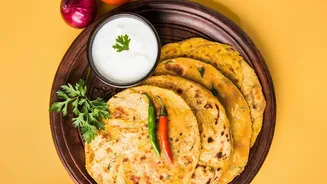
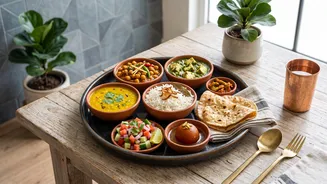
For generations, the rhythm of the Indian meal has been comfortingly consistent: a balanced thali of dal, sabzi, roti, and rice. This isn't just food; it's a cultural cornerstone. Yet, a new narrative around health and wellness, heavily focused on protein,
has presented a challenge. Initial trends saw protein as something separate—a post-gym shake or a Western-style protein bar. This created a cultural conflict for many who didn’t want to sacrifice the satisfaction of a home-cooked meal for a clinical-tasting supplement. The prevailing belief was that one had to choose between tradition and the modern pursuit of fitness. This tension is crucial, as reports indicate a significant portion of the Indian population is protein-deficient, often unknowingly. The solution, it turns out, was never about abandoning familiar tastes.
Why Now? The Drivers of a Protein Revolution
Several factors are converging to fuel this demand for integrated protein. Increased health consciousness, accelerated by the pandemic, has made consumers more aware of nutritional gaps in their diets. Urbanisation and busier lifestyles mean less time for elaborate cooking, creating a need for convenient yet healthy options. Furthermore, the rise of fitness culture and social media influencers has moved protein from a niche athlete requirement to a mainstream lifestyle goal. This is reflected in booming market forecasts, with India's protein-based product market expected to grow significantly, reaching into the billions of dollars. This shift is not just happening in metro cities; demand in tier-2 and tier-3 cities is growing rapidly, indicating a nationwide trend.
Seamless Integration: How Protein is Sneaking In
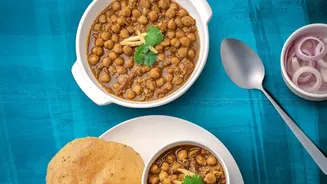
The true genius of this new wave lies in its subtlety. Instead of forcing consumers to adopt new eating habits, companies are fortifying the foods they already love. We're now seeing protein-enriched atta for rotis, high-protein dosa and idli batters, and protein-fortified biscuits and coffee. Dairy giants are launching high-protein paneer and yogurts, while startups are innovating with plant-based ingredients. Soya chunks, long a vegetarian staple, are being rebranded as a high-protein meat substitute. Even traditional snacks are getting an upgrade, with a renewed focus on the inherent protein in foods like sattu (roasted gram flour), makhana (fox nuts), and roasted chana. This approach makes increasing protein intake feel effortless and natural, fitting seamlessly into the daily dietary routine of millions.
From Niche Startups to Legacy Brands
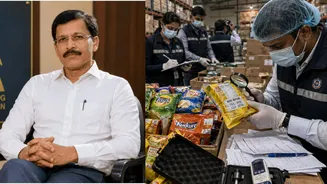
This movement began with agile startups that identified the gap in the market. Companies like OZiva and The Whole Truth built a following by offering clean-label products that resonated with a younger, health-aware demographic. However, the trend has gone fully mainstream, with legacy FMCG players like ITC, Nestlé, and Parag Milk Foods entering the fray. Even global brands like PepsiCo are repositioning products like Quaker Oats to highlight their protein content. This rush of activity from both new and established companies signals a fundamental shift in the Indian food market. Quick commerce platforms report that protein-related product purchases have surged, demonstrating that consumers are actively seeking out these fortified options.
The Future is Familiar, but Fortified
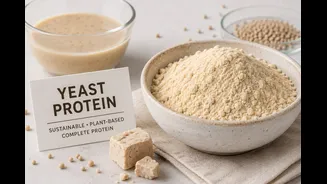
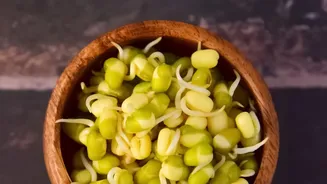
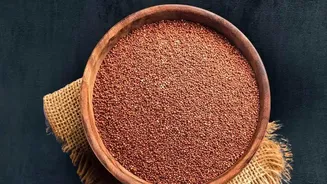
Looking ahead, the fusion of tradition and nutrition is set to deepen. The focus will be on improving the quality of protein, as studies note that a large portion of India's current protein intake comes from lower-quality sources like cereals. Food technology startups are working on creating innovative plant-based protein ingredients from native crops like mung beans, chickpeas, and amaranth that can be added to foods without altering taste or texture. We can expect to see a wider variety of fortified staples, ready-to-cook meal kits that are nutritionally balanced, and snacks that deliver on both health and flavour. The challenge for brands will be to maintain consumer trust through transparent labelling and fair pricing, ensuring that this nutritional revolution is accessible to all.