

A Splash of Colour in the Cold Desert
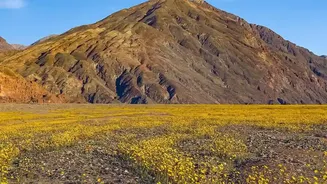
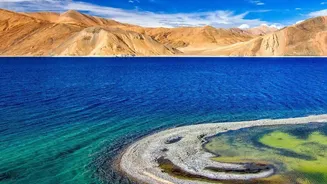
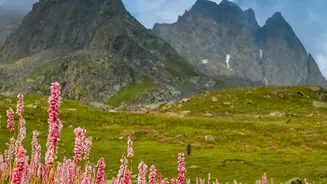
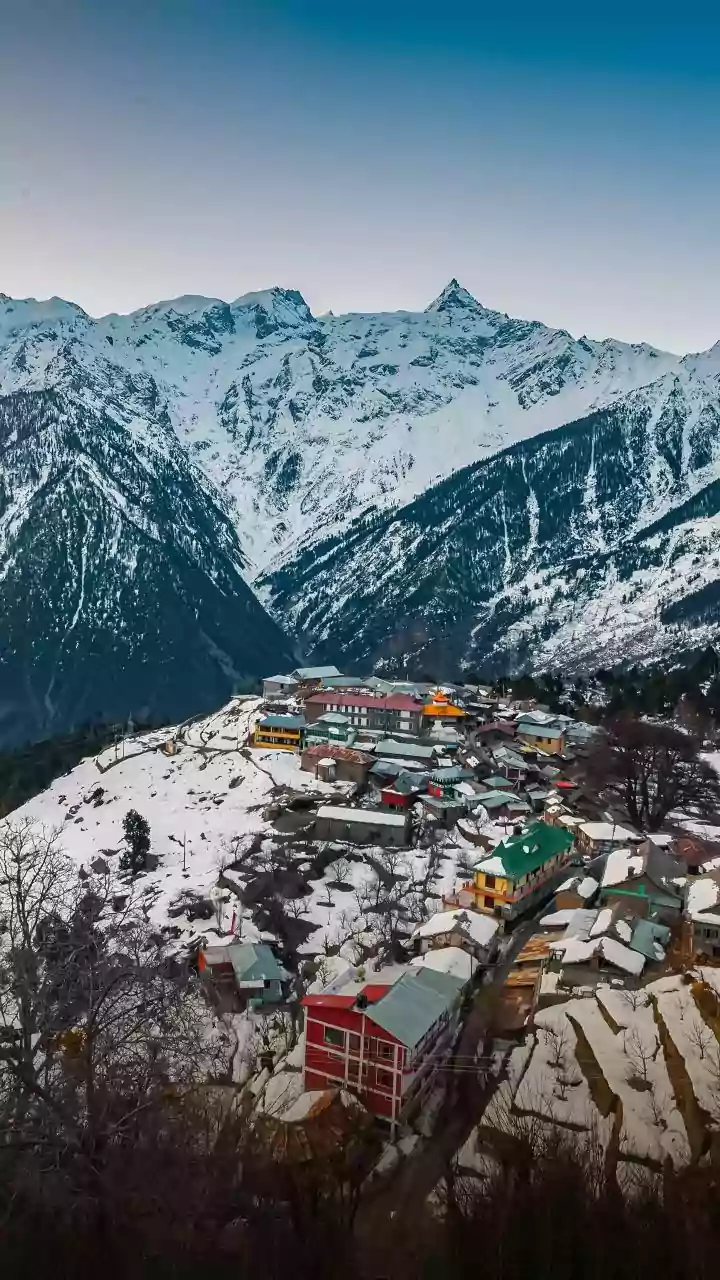
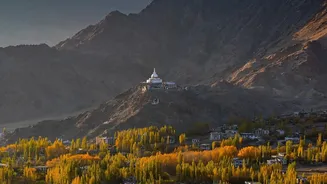
Ladakh, a region famed for its dramatic, barren beauty and moon-like landscapes, has unveiled a stunning new attraction: twin high-altitude flower fields. Located at Choglamsar and Stakna in the Leh district, at an elevation of around 10,600 feet, these
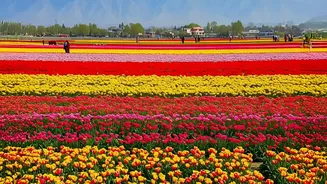
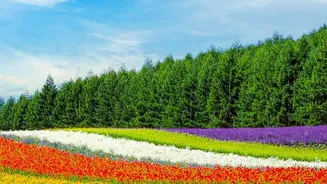
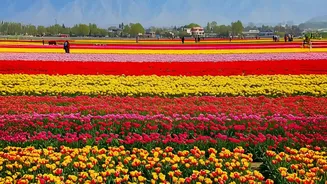
gardens are among the highest in the world. Spread across 40 acres, they present a breathtaking contrast to the surrounding rugged terrain, with over 2.5 million flowers creating a carpet of colour. The initiative has transformed the landscape, offering a completely new visual experience for both tourists and locals who are used to the region's muted, earthy tones. The Choglamsar field, developed in just two months, began blooming in early September, making it a recent and vibrant addition to Ladakh's tourist circuit.
More Than Just a Pretty View
This colourful spectacle is much more than a tourist attraction. It is a pioneering project aimed at demonstrating the potential of commercial floriculture as a new livelihood for the people of Ladakh. The initiative is a collaboration between the Ladakh administration and the CSIR-Institute of Himalayan Bio-resource Technology (CSIR-IHBT), which provided technical expertise for cultivating flowers in the challenging high-altitude environment. The gardens serve as a model and training centre for local farmers and youth, introducing them to scientific cultivation and post-harvest management. The goal is to diversify Ladakh's agricultural economy, which is often limited by harsh climatic conditions, and empower local communities, particularly self-help groups who will eventually take over the project's commercial aspects.
What's in Bloom?
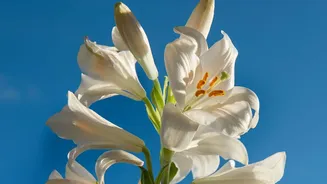
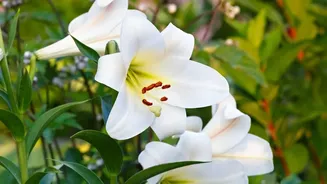
The fields are dominated by two main varieties of flowers: Lilium and Gladiolus. Visitors can marvel at an incredible 2.4 million Lilium plants and around 100,000 Gladiolus plants. These aren't just any flowers; they are high-value commercial crops with significant demand in national and international markets. The first consignment of 15,000 premium Lilium stems has already been dispatched to major cities like Delhi and Mumbai, where they fetch a high price. The project also plans to cultivate other species like tulips and hardy, cold-resistant flowers, turning the area into a year-round floriculture hub. The success of these initial blooms has been so encouraging that the administration plans to replicate the model in other districts of Ladakh.
The Rs 25 Ticket to Paradise
To experience this floral wonder, visitors are charged a nominal entry fee of Rs 25 for adults and Rs 10 for children. This modest fee is not for profit but is intended to help with the maintenance and upkeep of the gardens, ensuring they remain a pristine and well-managed attraction for years to come. The low cost makes the fields accessible to everyone, from international tourists to local families, allowing them to enjoy the recreational and educational space. The revenue generated from the tickets will be used directly for the garden's management, making it a self-sustaining public asset.
A New Vision for Ladakh
The establishment of these flower fields signals a new direction for development and tourism in Ladakh. For decades, the region has been a magnet for adventure seekers and spiritual travellers. Now, it is also becoming a centre for agro-tourism and scientific innovation. This project beautifully integrates agriculture, science, and tourism, creating a sustainable model that boosts the local economy while preserving the environment. As Ladakh's Lieutenant Governor Vinai Kumar Saxena noted, the initiative is about sowing the seeds of new livelihoods and opportunities for the people of the Union Territory. The success of the flower fields, along with recent experiments in saffron cultivation, is helping to reshape Ladakh's identity from a beautiful but barren cold desert into a land of vibrant new possibilities.