





Honey: Nature's Hydrating Healer
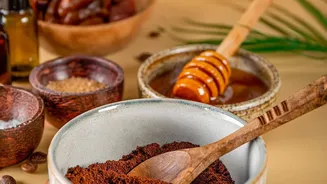
Honey has been a cherished skincare ingredient for centuries, and for good reason. It is a natural humectant, which means it attracts moisture from the air and binds it to the skin. This action helps to keep the skin hydrated, soft, and supple. The sugars
in honey create a layer that can reduce water loss from the skin's surface. For the best results, opt for raw, unpasteurized honey, as it retains more of its beneficial compounds. Manuka honey, in particular, is noted for its strong antibacterial properties, making it a great choice for those with acne-prone skin, while raw wildflower honey is excellent for general moisturizing.
Aloe Vera: The Soothing Moisturizer
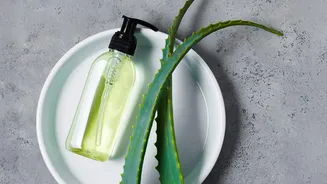
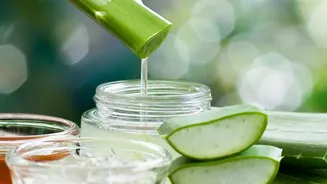
Often called the "plant of immortality," aloe vera is famous for its soothing and healing properties, especially for sunburn. The clear gel found inside its leaves is over 98% water, making it a fantastic, lightweight hydrator. It provides moisture without leaving a greasy feeling, which makes it suitable for all skin types, including oily and combination skin. Aloe vera also contains vitamins, minerals, amino acids, and antioxidants that help to calm inflammation, reduce redness, and support the skin's natural repair processes. Its ability to stimulate collagen production can even help improve skin elasticity over time.
Basic Hydrating Honey and Aloe Mask
This simple two-ingredient mask is perfect for a quick moisture boost and is suitable for all skin types. For this recipe, you will need one tablespoon of pure aloe vera gel and one tablespoon of raw honey. If you are using a fresh aloe leaf, slice it open and scrape the gel out with a spoon. In a small bowl, mix the aloe vera gel and honey until you have a smooth, uniform consistency. Apply an even layer to your clean face and neck, avoiding the eye area. Relax and let the mask sit for 15 to 20 minutes before rinsing off with lukewarm water.
Mask Variation for Oily or Acne-Prone Skin
For those with oily or blemish-prone skin, this mask can help balance oil and calm breakouts. Both honey and aloe have antibacterial and anti-inflammatory properties. Honey can help target acne-causing bacteria, while the natural salicylic acid in aloe can gently exfoliate pores. To enhance these effects, you can add a quarter teaspoon of cinnamon or a pinch of turmeric powder to the basic honey and aloe recipe. These spices are known for their anti-inflammatory benefits. Mix well and apply for 10 to 15 minutes before rinsing thoroughly.
Mask Variation for Dry or Sensitive Skin
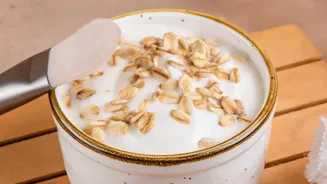
If your skin is dry, irritated, or sensitive, this enriched mask can provide extra nourishment and soothing comfort. Aloe vera is excellent for calming redness and irritation. To the basic honey and aloe mixture, add one teaspoon of plain whole milk yogurt or one teaspoon of mashed avocado. The healthy fats in avocado and yogurt are deeply moisturizing, while the lactic acid in yogurt provides gentle exfoliation and helps to refine pores. Apply the creamy mixture to your face and leave it on for 20 minutes to allow the ingredients to deeply hydrate and soothe your skin.
Application Tips and Safety
Before applying any new mask, it's crucial to perform a patch test. Apply a small amount of the mixture to a discreet area, like your inner wrist or behind your ear, to check for any irritation or allergic reaction. Always start with a clean face. When applying the mask, use your fingertips or a clean brush, and be sure to tie your hair back. Because honey can be sticky, wearing an old shirt is a good idea in case it drips. Most masks should be used once or twice a week for best results. If you have a known allergy to pollen or bees, use honey with caution.