







The Unkillable Snake Plant
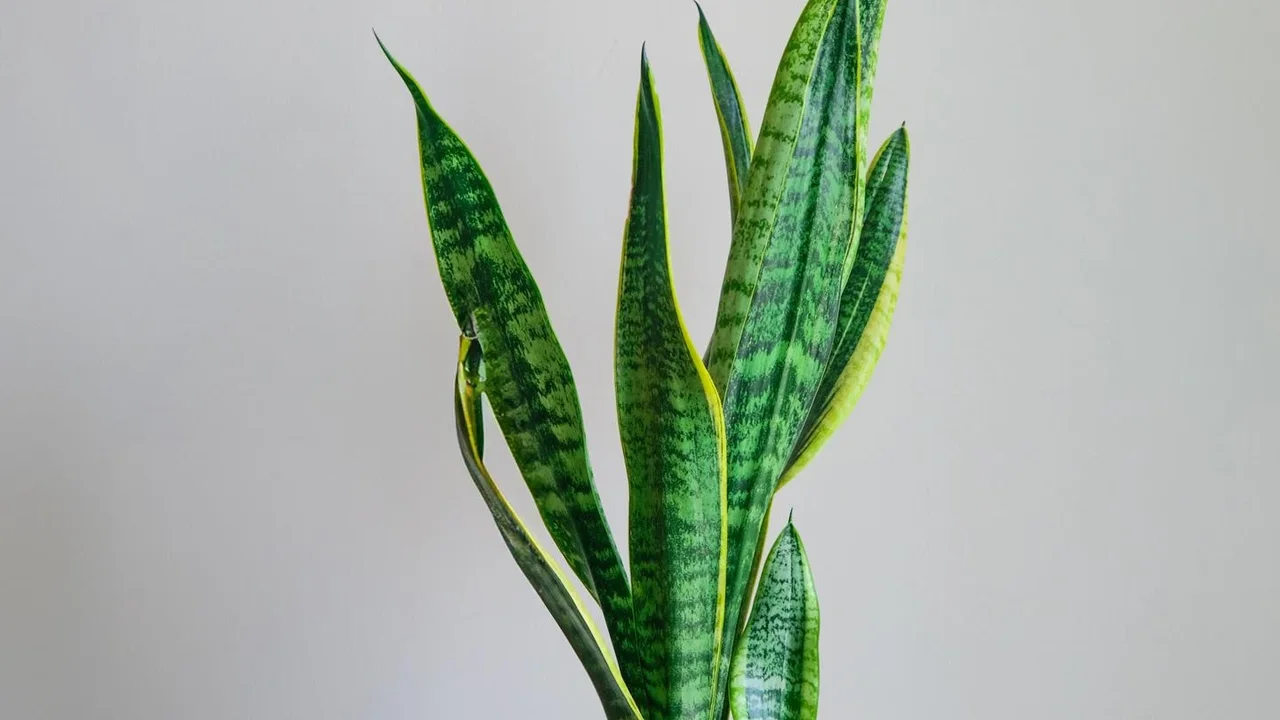
If you are convinced you have a 'black thumb', the Snake Plant (Sansevieria trifasciata) is here to prove you wrong. Famous for its resilience and striking, upright leaves, this plant is a favourite in Indian households for good reason. It is exceptionally
forgiving and can survive a fair amount of neglect. Beyond its architectural beauty, it is a powerhouse air purifier, known for converting carbon dioxide into oxygen even at night, making it an ideal bedroom plant. Its hardiness makes it suitable for the varied climates across India, from humid monsoons to dry summers. Light: It prefers bright, indirect sunlight but is famously tolerant of low-light conditions. An east-facing window is great, but it will survive happily in darker corners of your home. Avoid harsh, direct sun, which can scorch its leaves. Water: This is where most people go wrong. The Snake Plant is drought-tolerant and prone to root rot if overwatered. Allow the soil to dry out completely between waterings. In summer, this might mean watering every 2-3 weeks; during the monsoon, you might only water once a month. Always check the top 3-4 inches of soil; if it's dry, it's time to water.
The Elegant Peace Lily
The Peace Lily (Spathiphyllum) is prized for its lush, glossy green leaves and graceful white blooms that resemble sails. It brings a touch of serene elegance to any room and is another excellent air-purifying plant. While it requires a bit more attention than a Snake Plant, it communicates its needs clearly. If you forget to water it, the leaves will dramatically droop, letting you know it's thirsty, but they perk right back up after a drink. Light: Peace Lilies thrive in bright, indirect light. An east-facing window is perfect. They can tolerate low light, but they may not produce their signature white flowers without enough brightness. Keep them out of direct sunlight, which can burn their leaves. Water: Keep the soil consistently moist but not waterlogged. Water thoroughly when the top inch of soil feels dry. They can be sensitive to chemicals in tap water, so letting water sit overnight before using it is a good practice.
The Lucky Money Plant
Arguably the most common houseplant in India, the Money Plant (Epipremnum aureum or Pothos) is beloved for its fast-growing, trailing vines and heart-shaped leaves. According to Vastu, it's believed to bring prosperity and good fortune. It's incredibly easy to care for and can be grown in both soil and water. Its versatility allows it to be displayed in hanging baskets, on shelves, or trained to climb walls. Light: Money Plants do best in bright, indirect sunlight. They can tolerate low light, but the variegation in their leaves might fade. Direct sun can scorch the foliage. Water: Overwatering is a common mistake. Water only when the top 1-2 inches of soil feel dry to the touch. Yellowing leaves are often a sign of too much water. They are quite forgiving if you occasionally forget to water them.
The Resilient ZZ Plant
The Zamioculcas zamiifolia, or ZZ Plant, is another nearly indestructible option perfect for beginners or busy individuals. With its wide, dark green, glossy leaves, it adds a touch of lush, tropical flair to modern interiors. The ZZ Plant is exceptionally drought-tolerant because its rhizomes store water, meaning it can handle neglect without complaint. It is a slow grower, but its stunning foliage makes it a patient and rewarding plant to own. Light: The ZZ Plant is highly adaptable and can tolerate a wide range of light conditions, from low light to bright, indirect light. This makes it perfect for apartments and offices with less-than-ideal window placement. However, keep it out of direct, intense sunlight to prevent the leaves from burning. Water: Less is more with the ZZ Plant. You should allow the soil to dry out completely between waterings, typically every 2-3 weeks or even less in low-light conditions. It is far more likely to suffer from overwatering than underwatering.
The Prolific Spider Plant
The Spider Plant (Chlorophytum comosum) is a classic for a reason. With its arching, striped leaves and cascading 'spiderettes' (baby plants), it has a playful and lively appearance. It's known for being a fantastic air purifier, filtering common household toxins like formaldehyde and carbon monoxide. It is also non-toxic to pets, making it a safe choice for homes with cats and dogs. These plants are easy to propagate; simply pot the spiderettes to create new plants to share. Light: Spider Plants prefer bright, indirect light but are quite adaptable and can manage in lower light conditions as well. Avoid placing them in direct sun, as this can lead to scorched leaf tips. Water: Water generously, but allow the top inch or two of soil to dry out before watering again. They are fairly drought-tolerant, so it's better to underwater than overwater. Brown tips on the leaves can sometimes be caused by chemicals in tap water, so using filtered water can help.