




More Than Just Movement
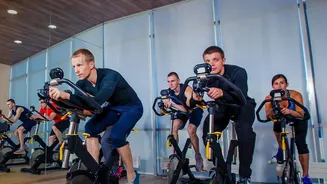
On the surface, a dance class is about learning steps and moving to music. But beneath the rhythm and choreography, a powerful combination of physical, mental, and social stimulation is at work. Unlike repetitive solo exercises like running on a treadmill,
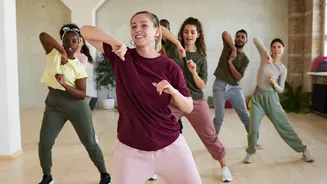
group dancing is a dynamic, multi-sensory experience. It engages your body, your brain, and your emotions all at once, which science suggests is a potent formula for long-term health and wellness. This unique blend is why researchers are increasingly pointing to activities like salsa, ballroom, and even lively folk dancing as a superior way to protect our bodies and minds as we age.
A Workout for Your Brain
Perhaps the most compelling benefits of group dancing are neurological. The act of dancing is a feast for the brain, engaging multiple cognitive functions simultaneously. Learning and recalling choreography, making split-second decisions to avoid bumping into others, and synchronizing your movements to a beat all create new neural pathways. This process, known as neuroplasticity, is the brain's ability to reorganise itself and is crucial for maintaining cognitive sharpness. A landmark study in the New England Journal of Medicine found that frequent dancing was the only physical activity associated with a lower risk of dementia. It stimulates the hippocampus, the brain region responsible for memory, and strengthens executive functions like planning and attention.
The Physical Perks of a Partnered Pace
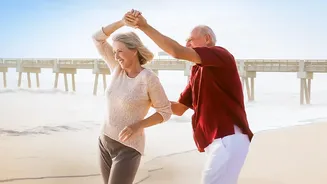
While the brain benefits are profound, let's not forget that dancing is excellent physical exercise. It provides a robust cardiovascular workout that strengthens the heart, improves circulation, and helps manage weight. The variety of movements—from quick steps to slow, controlled balances—enhances muscle strength, endurance, and flexibility. For older adults, this translates to better balance and a lower risk of falls, a major factor in maintaining independence and longevity. Because it's so enjoyable, people are more likely to stick with it, making it a sustainable form of exercise that doesn't feel like a chore.
The Power of the Social Connection
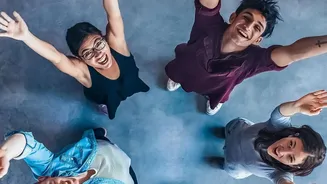
This is where group dancing truly shines and sets itself apart. Humans are social creatures, and feelings of loneliness and isolation are significant risk factors for both mental and physical decline. Group dancing directly counteracts this by creating a built-in community. Sharing a fun, structured activity fosters a sense of belonging and camaraderie. The physical act of moving in sync with others can enhance social bonding and empathy. This social engagement triggers the release of endorphins and other feel-good hormones, reducing stress, alleviating symptoms of depression, and boosting overall mood. This social component is not just a bonus; it's a critical part of the health benefits.
Finding Your Rhythm
Getting started with group dancing is easier than you might think. Communities across India offer a wide range of styles, from traditional folk and classical forms to modern Bollywood, salsa, and ballroom classes. Many studios and community centres offer beginner workshops or drop-in classes, creating a low-pressure environment to try something new. The key is to find a style and a group that you enjoy. Don't worry about being a perfect dancer; the goal is to move, connect, and have fun. The physical and mental benefits will follow naturally.