





The End of Out-of-Stock Items
One of the most frustrating shopping experiences is finding an empty shelf where your favourite snack should be. AI is working to make this a rarity. Retailers are using sophisticated AI systems to analyse vast amounts of data, including historical sales,
local events, weather forecasts, and even social media trends. This allows them to predict consumer demand with incredible accuracy. By knowing precisely what and how much to order, stores can optimise inventory, ensuring products are available when you want them without overstocking, which also significantly reduces food waste. This intelligent supply chain management means fuller shelves and fresher produce for everyone.
A Shopping Trip Tailored Just For You
Imagine a shopping experience where the store knows what you like, reminds you of what you need, and even suggests dinner recipes based on your preferences. This is the promise of AI-driven personalization. By analysing your past purchase history, dietary preferences, and even browsing behaviour on the store's app, AI algorithms can create a unique shopping journey for you. This translates into tailored discounts on products you frequently buy, personalised meal plans, and real-time recommendations for new items you might enjoy. More than half of consumers now expect retailers to use AI to deliver these kinds of tailored offers. This level of personalization saves you time and introduces you to new products that fit your lifestyle.
Reimagining the In-Store Experience
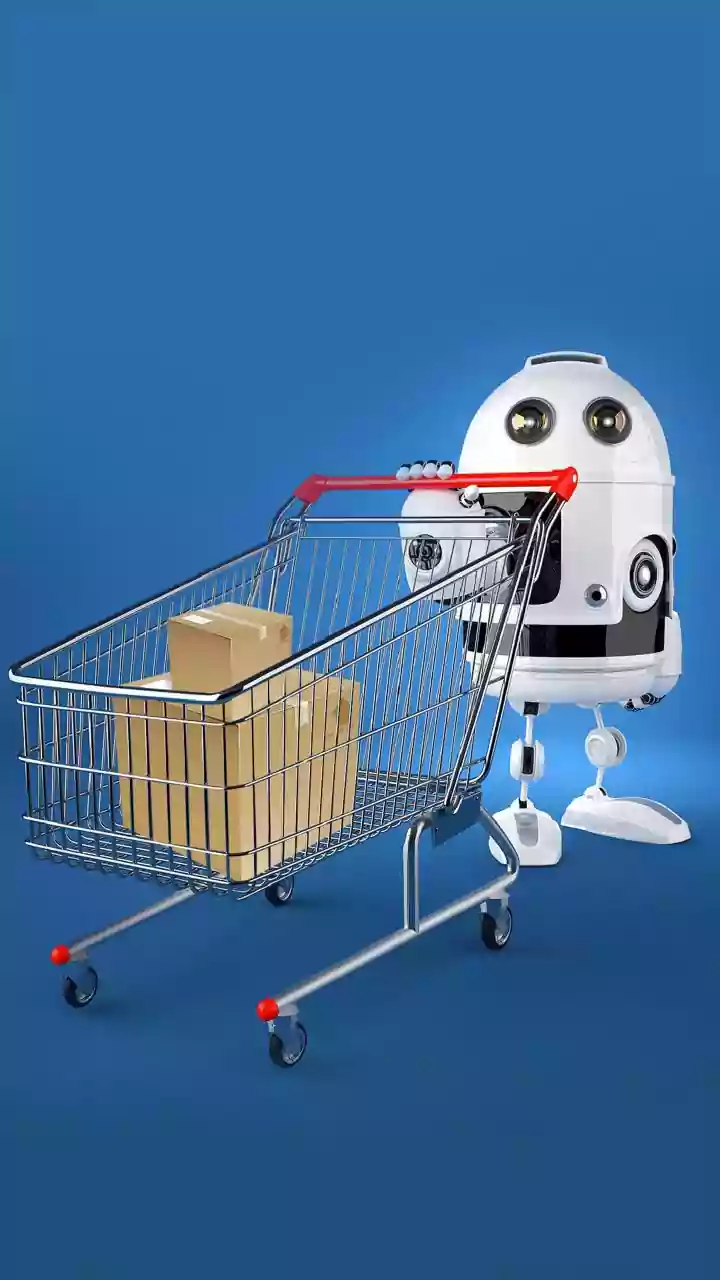
AI is also changing the physical layout and flow of the grocery store. Some stores are experimenting with smart shopping carts that use computer vision to identify and tally items as you place them inside, allowing you to skip the checkout line entirely. AI-powered apps can act as in-store guides, mapping out the most efficient route to get everything on your list. Retailers also use AI to analyse 'heat maps' of customer movement, optimising store layouts to make popular products easier to find. Furthermore, dynamic pricing, powered by AI, can adjust prices based on demand, competition, and a product's shelf life, potentially offering you discounts on items nearing their expiration date.
Ensuring Quality and Safety
The influence of AI extends beyond just buying food; it's also enhancing its safety and quality. AI systems can monitor food from farm to shelf, improving traceability in the supply chain. This means that in the event of a food recall, retailers can quickly identify and remove affected products. In-store, AI-powered cameras and sensors can monitor the freshness of produce, while other systems can help detect equipment malfunctions or hygiene issues before they become problems. This behind-the-scenes work provides an added layer of confidence in the quality and safety of the food you bring home to your family.
The Rise of AI Shopping Agents
Looking ahead, the next evolution could be AI 'agents' that do the shopping for you. Imagine telling a digital assistant your meal plan for the week, and it automatically generates a shopping list, compares prices across different stores, places the order, and arranges for delivery. This technology is moving from experimental to mainstream, with some experts believing it will fundamentally change how we discover and purchase routine items. While we are not quite at the stage of fully autonomous shopping, the rapid adoption of AI suggests this hands-free future is closer than we think.