




Starting Small: The First Pot
When you first bring home a young lemon plant, resist the urge to place it in a massive container. A pot that is too large holds excess soil, which retains too much water and can lead to root rot, one of the fastest ways to harm a citrus tree. For a small
starter tree, a pot that is around 8 to 12 inches in diameter and at least 12 inches deep is ideal. This provides enough room for the initial root system to establish itself without being overwhelmed. The key is to provide a snug, but not restrictive, environment where the roots can efficiently access water and nutrients, and the soil can dry out properly between waterings. This gradual approach is the foundation for a strong, healthy plant.
Reading the Signs: When to Repot
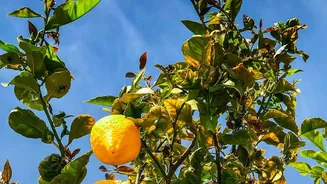
Your lemon tree will tell you when it’s ready for a new home. The most obvious sign is roots growing out of the drainage holes at the bottom of the pot. Another indicator is that the soil dries out very quickly, forcing you to water much more frequently than before. You might also notice a general lack of new growth, such as fewer new leaves or blossoms, or the lower leaves may start to turn yellow. Some experts suggest that when the plant's canopy becomes two to four times the size of the pot, it's a good visual cue to consider repotting. Generally, you can expect to repot your lemon tree every two to three years, especially during its younger, more vigorous growth phases.
The Golden Rule of Sizing Up
When it's time to repot, the rule is to go up in size gradually. A common mistake is moving from a small pot to a very large one. Instead, choose a new container that is about 2 to 4 inches larger in diameter than the old one. For example, if your tree is in a 12-inch pot, the next one should be about 14 or 16 inches. This incremental increase encourages the root system to grow outwards to fill the new space, rather than putting all its energy into root growth at the expense of leaves and fruit. This prevents the soil from staying waterlogged, which is a significant risk with citrus trees.
Material and Drainage Matter
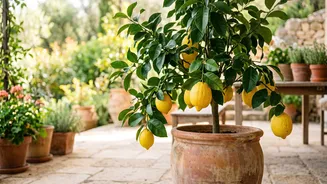
The type of pot you choose is nearly as important as its size. Terracotta pots are porous, allowing moisture to evaporate through the sides, which helps prevent waterlogging and is great for root aeration. However, this also means they dry out faster and require more frequent watering. Plastic, resin, or fibreglass pots are lighter and retain moisture longer. If you plan to move your tree indoors for winter, a lightweight pot is a significant advantage. Regardless of the material, non-negotiable features are drainage holes. Ensure your pot has multiple, adequately sized holes at the bottom to let excess water escape freely. Citrus trees despise sitting in soggy soil.
The 'Forever Pot' for Mature Trees
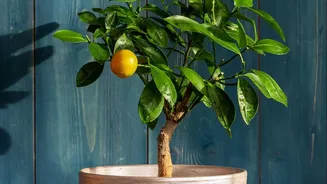
Eventually, your dwarf or semi-dwarf lemon tree will reach its mature size. The final pot, often called a 'forever pot', should be large enough to sustain it for many years. For many dwarf lemon varieties, a pot around 20 to 24 inches in diameter (approximately 15 to 25 gallons) is a good final size. At this stage, instead of repotting into an even larger container, you can maintain the tree's health by refreshing the soil. Every few years, you can carefully remove the tree, trim any circling roots, and replace about a third of the old soil with a fresh, high-quality citrus potting mix. This ensures the tree continues to receive the nutrients it needs to thrive and produce fruit for years to come.