


The Allure and the Unpredictable Reality
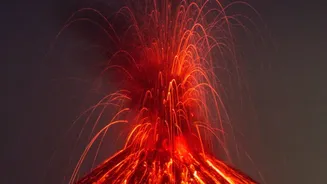
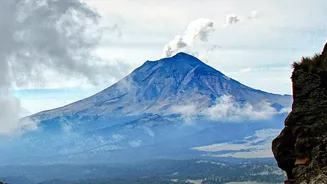
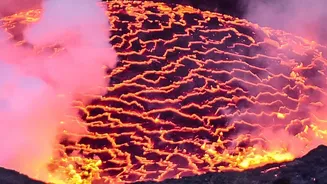
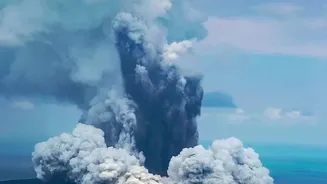
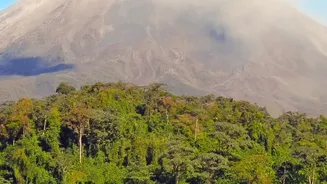
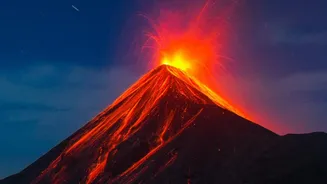
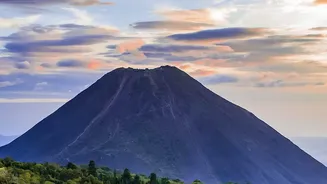
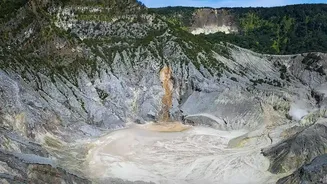
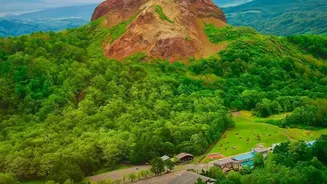
Volcano tourism is booming, drawing travellers to destinations from Italy to Indonesia and Iceland. These geological wonders offer a raw, powerful glimpse into the forces that shape our planet. Yet, this allure comes with an important reality check: the promise
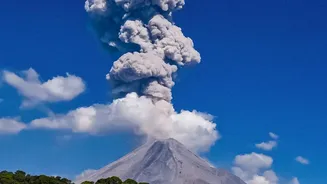
of access is never permanent. A volcano that is open to hikers one day can be a strict no-go zone the next. The 2019 eruption on New Zealand's Whakaari/White Island, which occurred despite raised alert levels and resulted in fatalities, is a tragic reminder that conditions can shift with shocking speed. Similarly, eruptions in Iceland have seen tourist hotspots turn into hazardous exclusion zones almost overnight, demonstrating how quickly a destination's status can change.
What Dictates a 'No-Go' Zone?
Decisions to restrict access aren't arbitrary. They are based on constant scientific monitoring by volcanologists and geological surveys. Experts track several key indicators. Seismic activity, or the frequency and intensity of earthquakes, can signal that magma is moving beneath the surface. Ground deformation, where the land swells or sinks, is another critical sign. Perhaps the most immediate dangers are invisible: volcanic gases like sulfur dioxide can be released, posing a serious respiratory risk, especially in low-lying areas or when winds are calm. Authorities also consider weather, as wind can carry toxic gases and ash over long distances, and poor visibility can make navigating treacherous terrain even more dangerous.
Understanding the Alert Levels
Most volcanic regions use a system of alert levels, often colour-coded or numbered, to communicate the current risk to the public and aviation sector. For example, the United States Geological Survey (USGS) uses a four-tier system: NORMAL (Green), ADVISORY (Yellow), WATCH (Orange), and WARNING (Red). While these systems are designed for clarity, it's crucial for tourists to understand that 'Advisory' or 'Watch' levels can still involve significant hazards and access restrictions. They don't just signal the likelihood of an eruption; they also reflect ongoing dangers like gas emissions or ground instability. Never assume a lower alert level means it's safe to venture into closed areas.
How to Plan Your Volcano Visit Safely
A safe trip requires planning and flexibility. Your first and most important step should be to check official sources. Look for the national park authority, geological survey, or civil defense agency responsible for the area you're visiting. Their websites and social media feeds provide the most current information on closures and conditions. For instance, Hawaiʻi Volcanoes National Park constantly updates its site with trail closures due to gas, structural damage, or eruptive activity. Secondly, hire a registered, reputable local guide, especially if you lack experience in volcanic terrain. They are trained to understand the risks and have access to real-time information. Thirdly, build flexibility into your itinerary. An eruption or an alert level change could close your primary destination, so having a backup plan is essential. Finally, pack appropriately. This includes sturdy, closed-toe footwear, layers of clothing for rapidly changing weather, water, a flashlight, and potentially protective gear like masks and goggles if ash is a possibility.
Respect the Rules and the Locals
Exclusion zones and trail closures are established for one reason: your safety. Entering a closed area is not only illegal but can be fatal due to unseen dangers like unstable ground, gas-filled pits, or sudden explosive events. It also puts rescue teams at risk. Remember that while a volcano might be a spectacular holiday destination for you, it is often a backyard and a livelihood for local communities. Sudden eruptions can destroy homes and infrastructure, and the influx of what is sometimes called 'disaster tourism' can be a source of stress for residents. Being a responsible tourist means heeding official warnings, respecting the local community, and understanding that the volcano operates on its own schedule, not yours.