





The Anatomy of a Viral Drink
At its core, the Biscoff iced latte is a simple yet genius combination of ingredients. It starts with the star of the show: Lotus Biscoff spread, a creamy butter made from the iconic Belgian biscuits. This spread is typically melted down with a shot of hot,
fresh espresso to create a smooth, flavourful base. This mixture is then poured over a glass full of ice and topped with cold milk—dairy or plant-based alternatives both work well. Many recipes also call for additions like vanilla syrup, a whipped cream topping, or a sprinkle of crushed Biscoff cookies for extra texture and indulgence. The result is a visually appealing, layered drink that delivers a powerful hit of coffee and the unmistakable flavour of caramelised spice.
Why the Obsession with Biscoff?
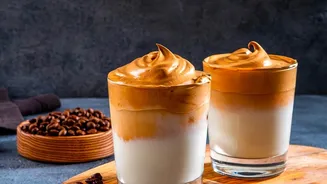
While the Biscoff biscuit has been around since the 1930s, its recent explosion in popularity can be largely attributed to social media. The flavour itself—a unique blend of brown sugar, cinnamon, and other warm spices—is both nostalgic and novel, setting it apart from standard chocolate or vanilla profiles. This distinctive taste makes it incredibly versatile, lending itself perfectly to everything from cheesecakes to milkshakes, and now, lattes. The spread's ability to melt into a smooth, syrupy consistency makes it an ideal ingredient for coffee drinks. This social media-fueled trend, much like the Dalgona coffee craze before it, has turned a simple biscuit spread into a global sensation, with countless users sharing their homemade creations.
A Dessert in a Cup
While undeniably delicious, the Biscoff iced latte firmly belongs in the dessert category rather than as a daily coffee staple. The main contributors to its nutritional profile are the Biscoff spread and any added sweeteners or cream. The spread itself is high in sugar and fat. When combined with milk, syrups, and whipped toppings, the calorie count can rise significantly. For example, a medium Biscoff latte from a cafe chain can contain around 310 calories and 40 grams of sugar, which is comparable to other indulgent coffee beverages like a Starbucks Caffe Mocha (370 calories) or a Dunkin' Caramel Craze Latte (380 calories). In contrast, a standard iced latte has around 120-190 calories, and a black iced coffee contains next to none. This makes the Biscoff version a wonderful treat, but not a nutritional upgrade for your morning routine.
How to Make Your Own at Home
The beauty of the Biscoff iced latte trend is how easily it can be recreated at home, allowing you to control the sweetness and ingredients. To make your own, start by placing a generous spoonful of Biscoff spread into a glass. Pour a shot of hot espresso directly over the spread and stir vigorously until it has completely dissolved and the mixture is smooth. Some suggest warming the spread in a microwave for 15 seconds to help it melt evenly. Next, fill your glass with ice cubes. Pour in your milk of choice, filling the glass about three-quarters full. Finally, pour the Biscoff-espresso mixture over the milk. For a final touch, you can add a drizzle of Biscoff topping or some crushed cookies on top. Stir and enjoy your homemade café-style treat.