






Shinjuku Gyoen, Tokyo: A Tale of Three Gardens
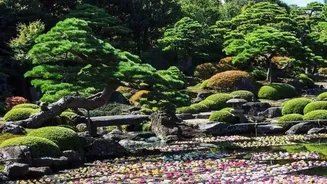
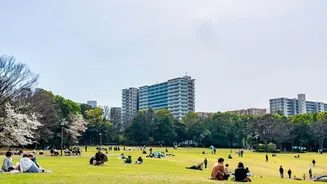
Once the private estate of a feudal lord, Shinjuku Gyoen National Garden is a 144-acre oasis in the middle of Tokyo. The park is unique for its blend of three distinct garden styles. A walk through its 3.5-kilometre perimeter feels like a journey through different
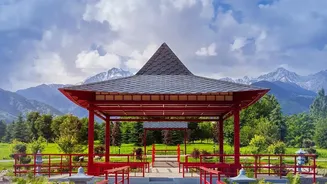
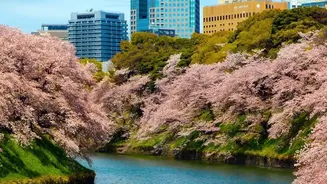
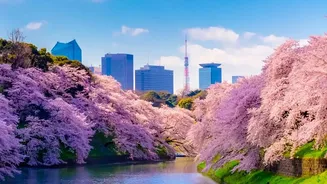
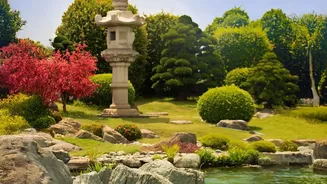
worlds. You can wander along the spacious lawns of the English Landscape Garden, admire the symmetrical flowerbeds of the French Formal Garden, and find tranquility by the ponds and teahouses of the Japanese Traditional Garden. Historically, the site evolved from a lord's residence to an imperial garden before opening to the public in 1949. Don't miss the historic Taiwan Pavilion, built to celebrate the wedding of the Showa Emperor, or the large greenhouse, which preserves rare and subtropical plants. The walking paths are particularly stunning in spring with cherry blossoms and in autumn with vibrant foliage.
Ueno Park, Tokyo: A Hub of Culture and History
Ueno Park is one of Tokyo's most popular and accessible green spaces, located right next to Ueno Station. It's a cultural hub, home to several major museums, including the Tokyo National Museum and the National Museum of Nature and Science. A walking tour here is a journey through layers of history. The paths guide you around the vast Shinobazu Pond, where you can see the octagonal Bentendo Temple dedicated to a goddess of fortune. Further into the park, you’ll find the historic Kiyomizu Kannon-do Temple, which dates back to 1632, and the grand Ueno Toshogu Shrine, gleaming with gold leaf. The park was also the site of the Ueno Daibutsu, a giant bronze Buddha statue that was destroyed in an earthquake, with only its face now preserved. With its many temples, shrines, and broad walking paths, Ueno Park offers a dense and rewarding exploration of Japanese culture.
Nara Park, Nara: Where Deer and Deities Roam
Just under an hour from Kyoto, Nara Park offers a unique experience where nature, history, and wildlife coexist. The park is famous for the approximately 1,200 tame deer that wander freely, considered messengers of the gods in the Shinto religion. A walk through this expansive park connects several of Japan's most significant historical sites. Your path can lead you to Todaiji Temple, a massive wooden structure that houses a 15-meter-high bronze statue of the Buddha. From there, you can follow lantern-lined forest trails to Kasuga Taisha Shrine, a beautiful vermilion shrine founded in 768. The entire area is a designated UNESCO World Heritage site, and the walking routes through the Mt. Kasuga Primeval Forest offer both spectacular views and a deep sense of peace.
Kenrokuen Garden, Kanazawa: The Perfect Strolling Garden
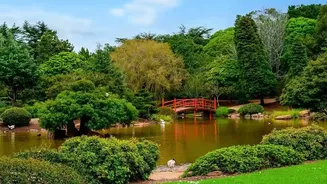
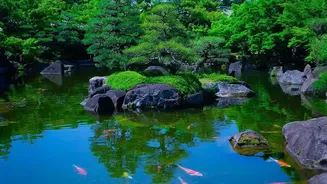
Considered one of Japan's three most beautiful landscape gardens, Kenrokuen in Kanazawa is a masterpiece of horticultural art. The name means "garden of the combined six," referring to the six essential attributes of a perfect garden: spaciousness, seclusion, artifice, antiquity, water sources, and magnificent views. The garden was developed over centuries by the powerful Maeda clan, the feudal lords who ruled the region. Strolling its many paths, you will discover a variety of classic features, including ponds, waterfalls, stone lanterns, and bridges. Key landmarks include the iconic Kotojitoro Lantern, with its unique two-legged design, and the oldest fountain in Japan, which operates on natural water pressure. You can also visit Seisonkaku Villa, a luxurious retirement home built for a lord's mother in 1863, which showcases different architectural styles.