



Imagine the sound of hooves on ancient cobblestones, the scent of pine and sea salt in the air, and a view that unfolds at a pace set by nature. This is the promise of horseback tourism in Portugal, a unique way to travel deep into the country.
A Journey at a Different Pace
In a world
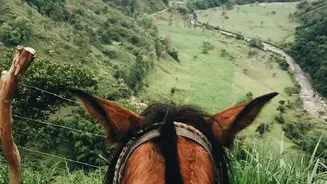
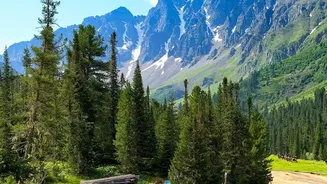
of fast-paced itineraries, exploring Portugal on horseback is an invitation to slow down. It’s a form of travel that connects you directly to the earth, allowing for a more profound appreciation of the journey itself. Riders can traverse landscapes inaccessible by car, from the rugged mountains of the Peneda-Gerês National Park to the golden sands of the Atlantic coast. This slower tempo provides the time to absorb the intricate details of the surroundings—wildflowers carpeting a meadow, the architecture of a forgotten village, or the sight of a golden eagle soaring overhead. It’s an immersive experience that moves beyond simple sightseeing into the realm of genuine discovery.
The Lusitano Legacy
At the heart of this experience is the Lusitano horse, one of the world's oldest and most revered saddle horse breeds. Native to Portugal and celebrated for its intelligence, courage, and gentle temperament, the Lusitano is more than just a mode of transport; it's a living piece of Portuguese heritage. For centuries, these noble animals have been the mounts of royalty and cavalry, and their lineage is deeply intertwined with the country's history. Riding a Lusitano offers a connection to this legacy, as their willing nature and comfortable gaits make them ideal partners for exploring both rugged trails and historic towns. Many equestrian centres are based at traditional farms, or 'quintas', where visitors can learn about the breeding and training that preserves this iconic breed.
Riding Through Centuries of History
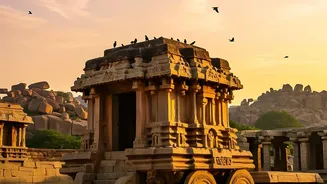
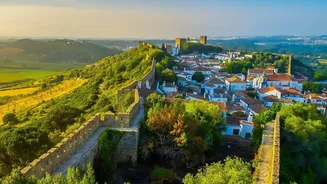
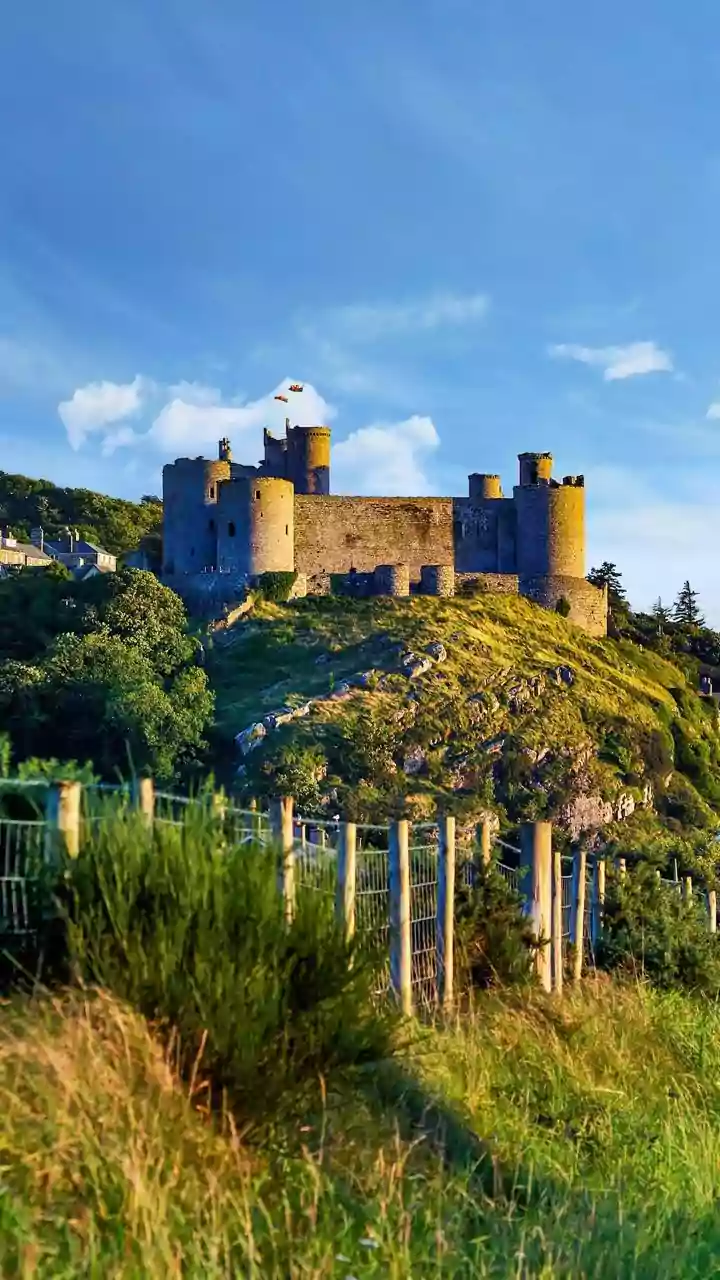
Many of Portugal's riding trails follow paths that have been used for millennia. Riders can trace ancient Roman roads, follow historic smuggling routes along the Spanish border, or tread the same ground as medieval pilgrims. Tours often lead to significant historical sites, such as the walled medieval town of Óbidos or the ruins of the Roman city of Ammaia. In regions like Alentejo, riders can explore a landscape dotted with megalithic monuments, centuries-old castles, and fortified towns that speak of a long and complex past. This approach turns a simple trail ride into a dynamic history lesson, where the stories of the land are revealed with every step.
From Rolling Plains to Coastal Cliffs
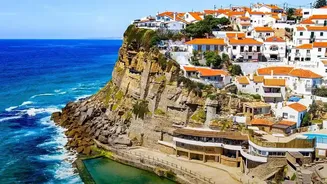
The diversity of Portugal's landscape is one of its greatest draws for equestrian adventurers. The Alentejo region, known as the country's heartland, offers vast, open plains and rolling hills covered in cork oak and olive groves, perfect for long, relaxing canters. Further south, the Algarve and the Costa Azul (Blue Coast) provide thrilling opportunities to ride along dramatic cliffs and on wide, deserted beaches. In the north, trails wind through the lush, green mountains and river valleys of regions like Ribatejo and the Peneda-Gerês National Park, home to wild Garrano horses. This variety ensures that every ride offers a new perspective on Portugal’s natural beauty.
An Immersion in Local Culture
The experience extends far beyond the time spent in the saddle. Equestrian tourism in Portugal is deeply connected to local culture and hospitality. Many tours include stays in beautifully restored quintas or charming rural guesthouses, where riders can enjoy authentic Portuguese cuisine and regional wines. Lunches are often enjoyed as picnics in scenic spots along the trail, featuring local cheeses, bread, and other delicacies. This holistic approach ensures that travellers not only see the landscape but also taste, feel, and live the local culture, creating memories that linger long after the ride is over.