


A Fasting Favourite for a Reason
Sabudana, also known as tapioca pearls, is a go-to food during Hindu fasting periods like Navratri for a simple reason: it provides a quick and sustained release of energy. Derived from the starch of the cassava root, sabudana is almost entirely composed
of carbohydrates. While not a nutritional powerhouse in terms of protein or fibre on its own, its high-carb nature makes it an effective way to combat fatigue and stay energised through a long day of fasting. It's considered a 'sattvic' or pure food, free from grains like wheat and rice, making it permissible under most fasting guidelines. Furthermore, it's naturally gluten-free and gentle on the digestive system, which is ideal when eating patterns are altered.
The Secret to Perfect, Non-Sticky Pearls
The most common complaint about homemade Sabudana Khichdi is that it turns into a sticky, clumpy mess. The secret to avoiding this lies entirely in the preparation. The first step is to wash the sabudana thoroughly under running water several times. The goal is to rinse away the excess starch until the water runs clear. This single step is crucial for preventing stickiness. The next critical stage is soaking. Use a wide, shallow bowl and add just enough water to cover the pearls, typically a 1:1 ratio. Soaking for at least 4-6 hours, or even overnight, is recommended. You'll know the pearls are ready when you can press one between your thumb and forefinger and it mashes easily with no hard centre. Before cooking, drain any remaining water completely to ensure the pearls are moist but not waterlogged.
Assembling Your Fasting-Friendly Ingredients
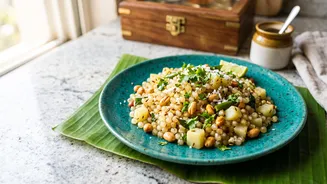
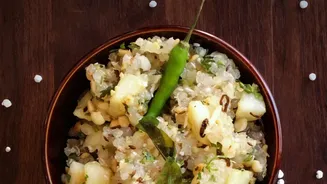
A traditional Navratri khichdi uses a specific set of ingredients. Ghee is the preferred cooking fat for its flavour and purity. The essential flavourings include cumin seeds (jeera), green chillies, and sometimes curry leaves. Potatoes, another fasting staple, add substance, while roasted and coarsely crushed peanuts provide a wonderful crunch and a much-needed dose of protein and healthy fats to balance the dish. The most important seasoning is sendha namak, or rock salt, as regular table salt is avoided during religious fasts. A final squeeze of lemon or lime juice at the end is non-negotiable; it brightens the entire dish and helps cut through the richness.
Cooking Fluffy Khichdi, Step by Step
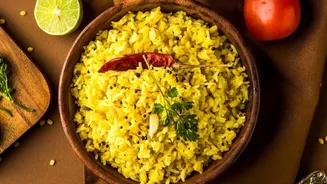
Once your sabudana is perfectly soaked and drained, the cooking process is quick. Start by heating ghee in a non-stick pan over medium heat. Add cumin seeds and let them sizzle, followed by green chillies and curry leaves. Next, add cubed potatoes and cook them until they are tender and slightly golden. Then, add the crushed peanuts and sauté for another minute to release their aroma. Now comes the main event: add the soaked sabudana to the pan. This is where technique matters. Gently fold the pearls into the mixture instead of stirring vigorously. Over-stirring can break the pearls and release starch, leading to stickiness. Cook for just a few minutes, tossing gently, until the sabudana pearls turn translucent. Overcooking is a primary cause of chewy, gummy khichdi. Finish by turning off the heat and adding sendha namak, a pinch of sugar (optional, but it balances the flavours), lemon juice, and freshly chopped coriander leaves. Toss one last time and serve hot.
Making Your Khichdi a More Balanced Meal
While delicious, sabudana is primarily starch. To make your fasting meal more nutritionally complete, the additions are key. The peanuts are not just for texture; they are a vital source of protein and fats that make the meal more satiating. Don't be shy with them. Serving the khichdi with a side of plain curd (yogurt) is another excellent way to add protein and probiotics, making the meal even easier to digest. Using a generous amount of ghee is traditional, but be mindful of the quantity if you are aiming for a lighter meal. By combining the energy from sabudana and potatoes with the protein and fats from peanuts and curd, you transform a simple dish into a well-rounded meal that can comfortably see you through your fast.