

A Hydration Hero in Root Form
Staying hydrated is crucial, particularly in India's warm climate, and radishes are an excellent, edible source of water. Composed of over 90% water, they can help you meet your daily fluid intake goals. This high water content not only keeps you refreshed
but also helps maintain healthy skin, supports kidney function, and aids in the body's natural detoxification processes. Unlike grabbing a glass of water, eating radishes provides hydration along with other essential nutrients, making them a multitasking addition to your meals, especially during hot summer months.
Low in Calories, High in Satisfaction
The headline's phrase "without much energy" points to one of the radish's greatest strengths: it is incredibly low in calories. A full cup of sliced radishes contains fewer than 20 calories, making it an ideal food for weight management. The satisfying crunch and volume can help you feel full without consuming significant calories. Furthermore, radishes are packed with dietary fibre. This fibre aids digestion, helps prevent constipation, and contributes to a feeling of satiety, which can prevent overeating. For those managing their weight or simply seeking a light yet filling snack, the radish is a perfect choice.
A Familiar Face in Indian Kitchens
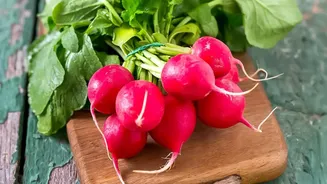
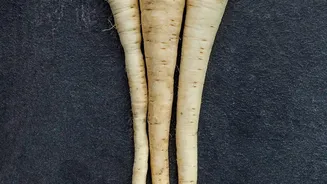
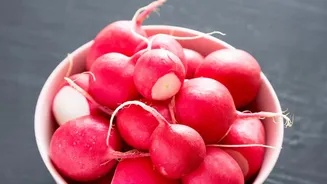
In India, the most common type of radish is the long, white variety known as 'mooli' or Daikon radish. It's a versatile ingredient that has been a staple in regional cuisines for generations. Mooli is the star of many beloved dishes, from the hearty 'Mooli Paratha' of the north to tangy pickles and crisp salads. Other popular varieties grown and consumed in India include Pusa Chetki, Japanese White, and Punjab Pasand. While the small, round red radishes are often eaten raw in salads, the larger white varieties like mooli hold up well to cooking and are frequently used in 'sabzis', 'bhujia' (a dry stir-fry), and 'raitas'.
Beyond Crunch: A Nutrient Powerhouse
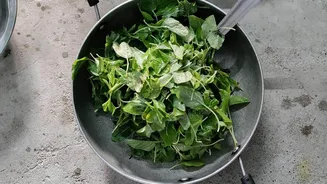
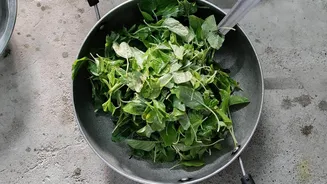
Beyond water and fibre, radishes are a good source of several vital nutrients. They are particularly rich in Vitamin C, an important antioxidant that supports the immune system, promotes healthy skin by aiding collagen production, and helps protect cells from damage. Radishes also provide potassium, which is essential for maintaining healthy blood pressure, and folate. They contain compounds like glucosinolates and isothiocyanates, which are believed to have anti-inflammatory properties and may help regulate blood sugar levels. Even the radish leaves, often discarded, are edible and highly nutritious, packed with more protein, calcium, and iron than the root itself.
Tips for Enjoying Radishes
The sharp, peppery flavour of radishes can be a bit strong for some palates. To mellow the taste, you can peel them, especially the larger Daikon variety. Soaking sliced radishes in ice water for about an hour can also reduce their pungency, leaving you with a milder flavour and extra crunch. When it comes to cooking, radishes can be surprisingly versatile. Roasting them brings out a subtle sweetness. You can grate them into yogurt to make a refreshing 'raita', stir-fry them with spices for a quick 'sabzi', or pickle them to enjoy as a condiment. For a simple and healthy snack, try 'Mooli ka Lachha', a grated radish salad with lime juice, green chillies, and fresh coriander.