






A New Chapter in Economic Pressure
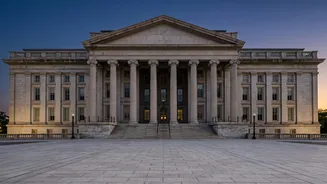
In a move dubbed "Operation Economic Outcast," the US Treasury has launched a significant expansion of its sanctions campaign against Iran. Announced on August 24, 2026, these measures are designed to sever Iran's remaining links to the global economy
by targeting key industries. The initiative warns international companies and countries to cease business with Tehran or risk being cut off from the US dollar-based financial system. While giving nations a "cure period" to comply, the message is clear: choose between doing business with America or with Iran. This new campaign specifically targets five sectors: digital assets, technology, gold, aviation, and shipping, which Washington says are critical to Iran's economic survival and military activities.
Aviation: An Aging Fleet Grounded
Iran's aviation industry has been under strain for decades, but the latest measures tighten the screws further. US sanctions have long barred the sale of new aircraft and, crucially, spare parts to Iranian airlines. This has forced carriers to operate an aging fleet, with the average age of some airline fleets reportedly over 25 years old. Airlines resort to creative and sometimes illicit methods to source parts, often through intermediaries or by cannibalizing older planes. These restrictions have a direct impact on safety and operational efficiency, leading to more frequent technical issues and flight cancellations. Furthermore, some foreign airports have refused to refuel Iranian planes, forcing them to carry extra fuel, which increases weight and risk. The sanctions also target specific airlines like Mahan Air, which the U.S. accuses of transporting weapons and personnel for the Islamic Revolutionary Guard Corps (IRGC).
Shipping: Navigating Troubled Waters
The maritime sector, a vital artery for Iran's oil exports and trade, is a primary focus of the new sanctions. The US Treasury is aggressively targeting what it calls Iran's "shadow fleet" – a network of vessels that use deceptive practices to transport Iranian oil and evade restrictions. These practices include changing vessel names, switching flags, and turning off tracking systems. The latest actions sanctioned nearly 60 entities, individuals, and vessels across jurisdictions like China, the UAE, and Singapore, accused of being involved in this trade. The sanctions create immense risk not just for shipping companies but for associated services like insurance. Foreign financial institutions that knowingly facilitate significant transactions with sanctioned entities could lose access to the U.S. financial system, a deterrent powerful enough to make global firms sever ties.
The Global Ripple Effect
This pressure campaign extends far beyond Iran's borders. The US is leveraging secondary sanctions, which punish third-party entities for doing business with a sanctioned country. This creates a difficult choice for nations like China, Turkey, and the UAE, which are among Iran's top trading partners. The US Treasury has warned that any entity laundering money for Iran will be removed from the U.S. dollar system. Recent actions have targeted companies in India, China, and Russia for acting as sales agents or providing logistical support for Mahan Air, demonstrating the global reach of the enforcement. This strategy aims to create "economic asphyxiation," forcing Iran into total financial isolation to alter its strategic calculus.
The Human and Safety Cost
While the sanctions are aimed at the Iranian regime, they have significant consequences for ordinary citizens and international safety. For years, the inability to procure new aircraft and parts has raised serious safety concerns for civilian air travel. Although Iranian authorities maintain safety records, the constant struggle to maintain an aging fleet creates a high-risk environment. On the shipping front, increased tensions and military posturing around crucial waterways like the Strait of Hormuz create a volatile situation for global maritime trade. The US has explicitly warned shipping interests about the sanctions risks associated with paying any fees to Iranian entities for passage through the strait. This complex web of measures not only puts economic pressure on Tehran but also entangles civilians and international businesses in a high-stakes geopolitical conflict.