


The Building Blocks: Milk vs. Oils
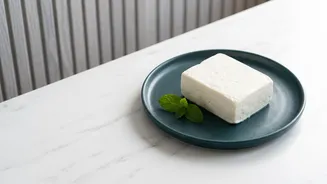
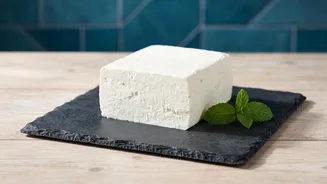
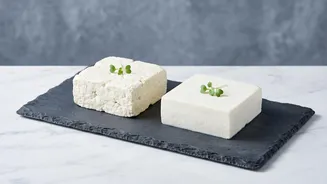
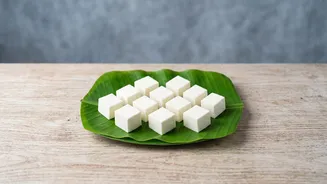
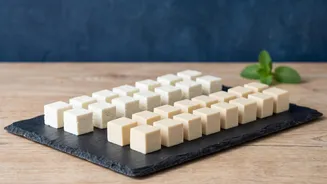
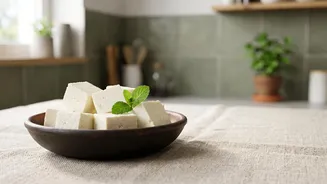
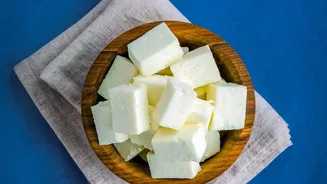
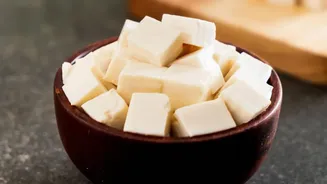
The most fundamental difference between traditional paneer and its analogue counterpart lies in the ingredients. Authentic dairy paneer is a fresh, unaged cheese made through a simple process: full-fat milk is heated and then curdled using a food-grade
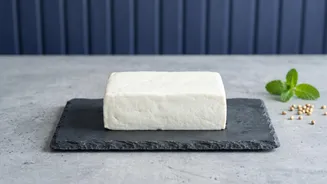
acid like lemon juice or vinegar. The resulting milk solids (curds) are separated from the liquid whey, pressed into a block, and that's it. The ingredient list is short and natural: milk and an acid. Analogue paneer, on the other hand, is a processed food product designed to mimic the original. Instead of being built from fresh milk, its structure comes from a combination of ingredients, most commonly vegetable oils (like palm oil), starches, and emulsifiers. It may also contain some milk solids or skimmed milk powder to add a hint of dairy flavour, along with stabilisers and flavouring agents to create a texture and taste that resembles real paneer.
A Tale of Two Nutritional Profiles
Because their ingredients are so different, their nutritional values are worlds apart. Dairy paneer is prized by vegetarians as a rich source of high-quality protein, containing both whey and casein from milk. It is also a good source of healthy fats and calcium. A 100g serving of fresh paneer typically provides around 18-20g of protein and 20-25g of fat. Analogue paneer's nutritional profile is often the reverse. It is generally much lower in protein, sometimes offering as little as half that of dairy paneer. In place of protein, it is higher in carbohydrates due to the added starches, and its fat content comes from processed vegetable oils, which can include unhealthy trans fats depending on how they are processed. This makes it a less nutritious choice, especially for those relying on paneer for their protein intake.
Sensing the Difference: Taste and Texture
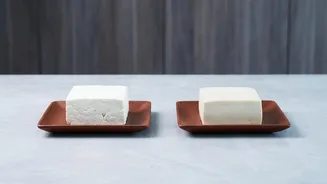
While they might look similar in a package, the eating experience can be quite different. Real dairy paneer has a fresh, milky aroma and a soft, slightly crumbly texture that feels moist. Its flavour is mild and creamy. Analogue paneer often has a more uniform, rubbery, or overly firm texture. When you chew it, it can feel dense and sometimes squeaky. The taste can be bland or have a slightly artificial or sour note due to the various additives used to create its flavour. Some people find that real paneer easily absorbs the flavours of a gravy, while its analogue counterpart can sometimes feel like a separate, less integrated component in a dish.
Performance Under Pressure: How They Cook
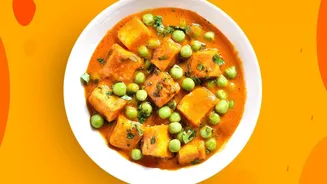
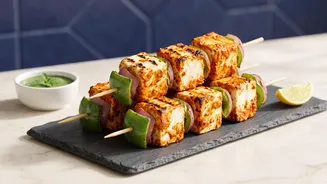
How each product behaves in the kitchen is another key differentiator. When pan-fried, real paneer develops a beautiful golden-brown crust while remaining soft on the inside. It holds its shape well in curries and doesn't dissolve. Analogue paneer can react differently to heat. Some versions may become chewy or tough when fried. Others, particularly those high in starch, might not brown as well or could even begin to disintegrate or melt into a gravy. A simple home test involves boiling a piece of each; real paneer will likely stay firm, whereas some analogue versions might start to break apart. Adding a drop of iodine tincture to boiled and cooled paneer will turn it blue if starch is present, a common sign of an analogue product.
Why Analogue Paneer Exists
The primary driver behind the creation of analogue paneer is cost. Using vegetable fats and starches is significantly cheaper than using fresh milk, allowing it to be sold at a much lower price. This has made it a popular choice for some restaurants and food service businesses looking to manage expenses. However, this cost-saving measure has raised concerns about food adulteration and consumer rights, prompting food safety authorities like the FSSAI to propose regulations requiring clear labelling so consumers are not misled. Several states have even banned the sale of analogue products that are improperly labelled as paneer. While not all paneer alternatives are the same—for instance, vegan paneer made from tofu or nuts is a separate category for those avoiding dairy—the term 'analogue paneer' typically refers to these low-cost, processed substitutes.