







A Shift in Industrial Vision
Anil Agarwal, the chairman of mining and metals multinational Vedanta Group, has built an empire on natural resources and heavy industry. His recent statements and strategic moves, however, point towards a new frontier: digital infrastructure. While Vedanta remains
committed to its core sectors like mining, metals, and oil and gas, with ambitious expansion plans for each, there is a clear and growing emphasis on technology as a foundational layer for future growth. Akarsh Hebbar, a key executive at the group, articulated this vision, stating that digital infrastructure is no longer separate from industrial infrastructure but is becoming a core part of modern industrial growth itself. This perspective reframes investment not as a choice between smokestacks and servers, but as a recognition that servers are now essential to making the smokestacks smarter, safer, and more efficient.
The Irresistible Pull of Data
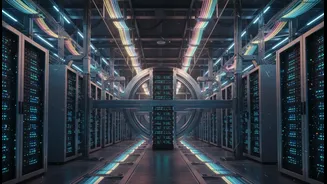
The opportunity in India's data centre market is explosive and multifaceted. The country is in the midst of a digital revolution, driven by the convergence of rapid cloud adoption, the rollout of 5G, widespread enterprise digitization, and government data localization mandates like the Digital Personal Data Protection Act of 2023. This has created a voracious appetite for data storage and processing power. India’s data centre capacity is projected to more than double from around 950 MW in 2024 to nearly 2,000 MW by 2026. The market size, valued at around USD 5.5 billion in 2025, is forecast to surge, with some projections suggesting it could reach over USD 13 billion by 2034. The rise of Artificial Intelligence is adding even more fuel to this fire, with AI workloads expected to require hundreds of megawatts of new capacity in the coming years. Agarwal himself has noted that AI data centres are on track to consume immense amounts of electricity, underscoring the need for a massive expansion in power generation to support this digital backbone.
The Headwinds for Heavy Engineering
In contrast, traditional heavy engineering and construction firms face a more challenging landscape. These sectors are often characterized by high capital expenditure, long project gestation periods, and cyclical demand. They are grappling with numerous obstacles, including rising operational costs, supply chain disruptions, and significant infrastructural bottlenecks that can negate the country's low-cost labor advantage. Furthermore, finding and retaining skilled labor to operate increasingly complex machinery is a persistent and costly challenge. The heavy engineering sector is also under pressure to comply with stringent environmental and safety regulations, which requires substantial investment in both time and money. While essential to the economy, these firms often face lower profitability and a more difficult path to scalable growth compared to the high-margin, recurring-revenue models often seen in digital infrastructure services.
A Strategic Bet on Digital's Foundation
Vedanta's interest is not just in running data centres but in building the entire ecosystem. Through entities like Sterlite Technologies (STL) and the demerged Invenia Tech, the group is deeply involved in manufacturing optical fibre, deploying fibre networks, and providing system integration for data centre projects. This represents a strategic pivot from simply being a consumer of technology to becoming a builder of India's foundational digital assets. The group's leadership sees this as essential for India's self-reliance, arguing that the country cannot become a global industrial powerhouse by only consuming technology—it must build, own, and scale it from within. This vision extends to semiconductors, where Vedanta has explored plans to establish domestic manufacturing to reduce India's reliance on imports for critical components that power everything from data centres to consumer electronics.