




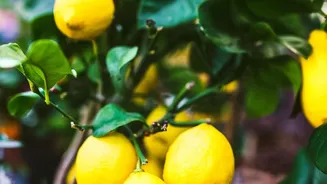
The Golden Rule of Sunlight
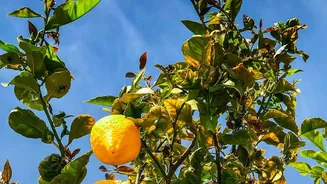
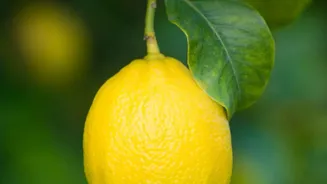
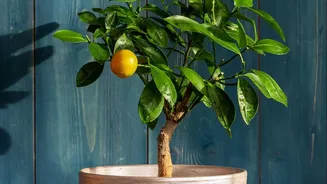
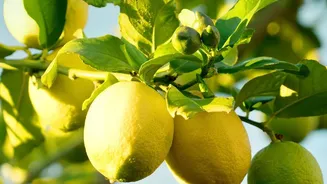
Lemon trees are sun worshippers. To produce those beautiful flowers and, eventually, fruit, they need a substantial amount of light. The general rule is that a lemon plant requires at least six to eight hours of direct sunlight every day. Twelve hours is even better
for maximising growth and fruit production. Think of sunlight as the fuel your plant uses to create energy; a lack of it means the tree simply won't have the resources to flower or bear fruit, and you'll be left with a green plant that never quite reaches its full potential. For indoor plants, this means strategically finding the sunniest possible location in your home.
Decoding Your Directions: Best Indoor Placements
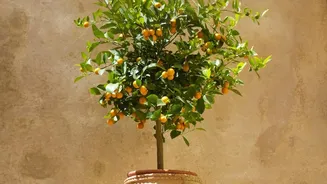
Not all windows are created equal in the world of a lemon plant. Your home's orientation plays a huge role. An unobstructed, south-facing window is the gold standard for an indoor lemon tree, as it provides the most hours of direct sun throughout the day. A west-facing window is the next best choice, offering strong afternoon sun. An east-facing window provides gentler morning light, which may not be enough on its own for robust fruiting without supplemental lighting. A north-facing window should be avoided, as it offers no direct sun and will likely cause the plant to decline. Remember to place your plant as close to the glass as possible, as light intensity drops dramatically even a few feet away from the window.
Reading the Leaves: Signs of Trouble
Your lemon plant will tell you if its light situation isn't right. Too little light often results in a 'leggy' plant, which is tall and thin with sparse foliage as it stretches towards the sun. You might also see yellowing leaves and leaf drop as the plant struggles to sustain itself. Conversely, a plant getting too much intense sun, especially if it's not acclimated, can show signs of sunburn. This might appear as light tan or white scorched spots on the leaves. The leaves might also curl upwards, like a taco shell, which is a sign of heat stress and thirst. Paying attention to these visual cues allows you to adjust your plant's location before any serious damage is done.
A Touch of Tradition: Vastu and Feng Shui
For many, the placement of plants is also guided by traditional principles like Vastu and Feng Shui. In Feng Shui, the lemon tree is a powerful symbol of abundance, wealth, and positive energy. Placing it in the southeast corner of your home or room, known as the wealth area, is believed to attract prosperity. The east is also considered favorable, symbolizing health and new beginnings. Vastu Shastra has varied interpretations; some experts advise against keeping lemon plants indoors, associating their sourness with negative energy. However, others believe a lemon plant wards off negative energy and can be auspicious. If following Vastu, placing the tree in the north or east direction in a garden or on a balcony is often recommended.