









The Immediate Fallout
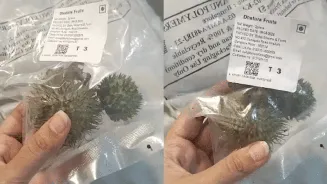
The Karnataka Food Safety and Drug Administration Department has suspended the food licences of Amazon, Swiggy Instamart, and BigBasket until further notice. The dramatic step was taken after officials discovered that Datura fruits and seeds were being
listed and sold on these platforms, sometimes even packaged with FSSAI registration numbers, implying they were safe for consumption. This action is part of a broader, intensified food safety drive across the state that has seen officials inspect everything from five-star hotels to e-commerce warehouses, uncovering numerous hygiene and labelling violations. The government has ordered the platforms to immediately remove all listings and advertisements for Datura intended for human consumption. The licences of the suppliers and sellers providing these products to the platforms have also been suspended.
What Is Datura, and Why Is It So Dangerous?
Datura, known in India as Dhatura and in English as thornapple or jimsonweed, is a plant with a notorious reputation. While it holds cultural significance and is used in religious rituals, particularly in the worship of Lord Shiva, every part of the plant is extremely poisonous. It contains potent tropane alkaloids like atropine and scopolamine, which are powerful toxins that attack the central nervous system. Ingesting even a small amount can lead to severe and terrifying effects, including delirium, intense hallucinations where individuals cannot distinguish fantasy from reality, fever, rapid heartbeat, and amnesia. In larger doses, Datura can cause respiratory failure, coma, and death. Its unpredictable potency makes any form of ingestion a life-threatening gamble.
How Did the Platforms Respond?
During the inquiry, the platforms’ responses were deemed unsatisfactory by the regulator. According to the official order, Amazon did not submit a formal response to the notice. Swiggy Instamart reportedly asked for more time to provide documents detailing the actions it had taken. BigBasket stated that it had stopped selling the fruit and would amend its labelling on such products in the future to clearly state "Not for human consumption." Despite these responses, the regulator found that the mere act of storing and distributing such a toxic item as a food product was impermissible, leading to the suspension of licences.
A Larger Regulatory Challenge
This incident highlights a critical challenge in the modern e-commerce landscape: how do you regulate an endless digital shelf? While traditional brick-and-mortar stores have clear oversight, online platforms host thousands of third-party sellers, making it difficult to vet every single product listed. The discovery of Datura being sold with FSSAI numbers suggests a significant breakdown in compliance and verification processes. This case forces a difficult conversation about platform liability. Are these tech giants merely intermediaries, or are they publishers responsible for the goods sold under their banner? The Karnataka government's decision to suspend the platforms' own food licences, rather than just penalizing the individual sellers, suggests a move towards holding the platforms more directly accountable for public health and safety.
What Does This Mean for Consumers?
For the average person who relies on quick commerce for their groceries, this news can be unsettling. It serves as a stark reminder that the convenience of online shopping must be balanced with caution. While regulators are clearly stepping up enforcement, consumers are the last line of defence. It’s important to be aware of what you are purchasing, especially when it comes to unfamiliar products. The incident was reportedly triggered after a social media complaint, highlighting the power of public vigilance. Authorities have advised the public to report any suspicious listings or sales to food safety officers, reinforcing the idea that community watchfulness is a key part of the solution.