



The Allure of the Unstructured Bag
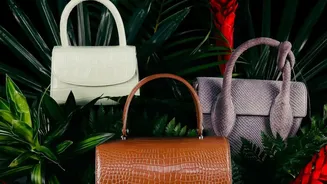
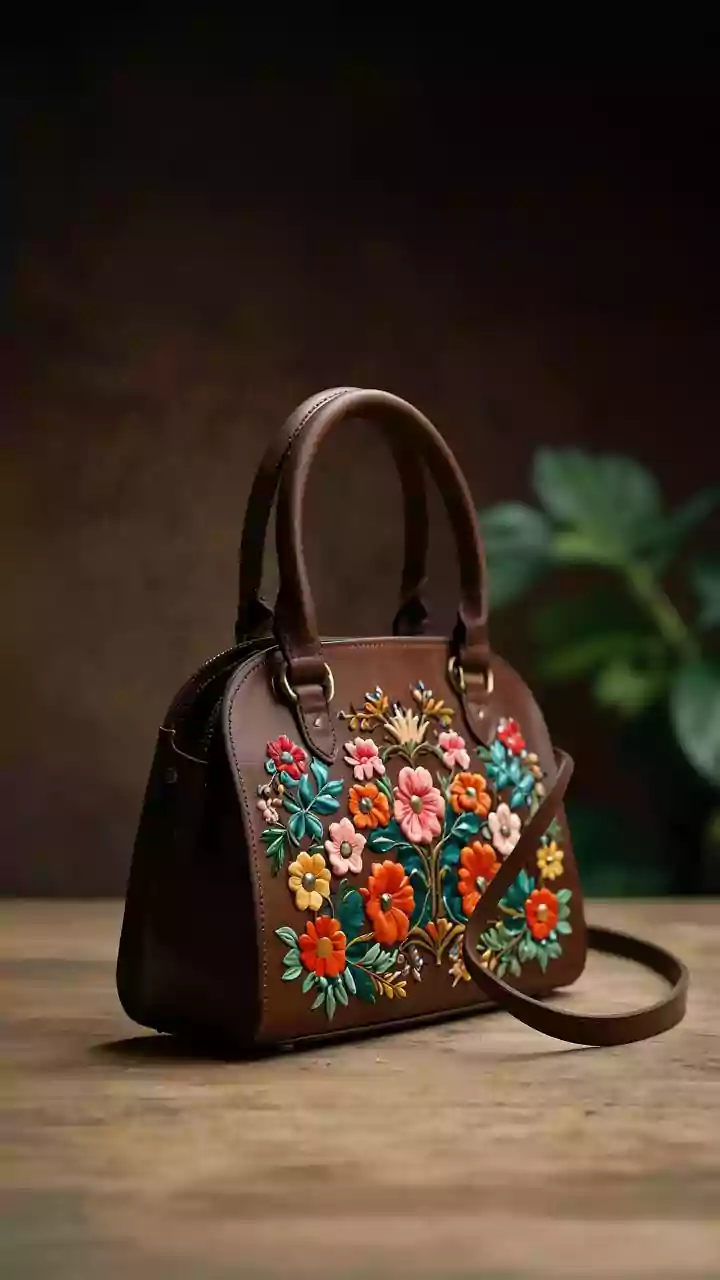
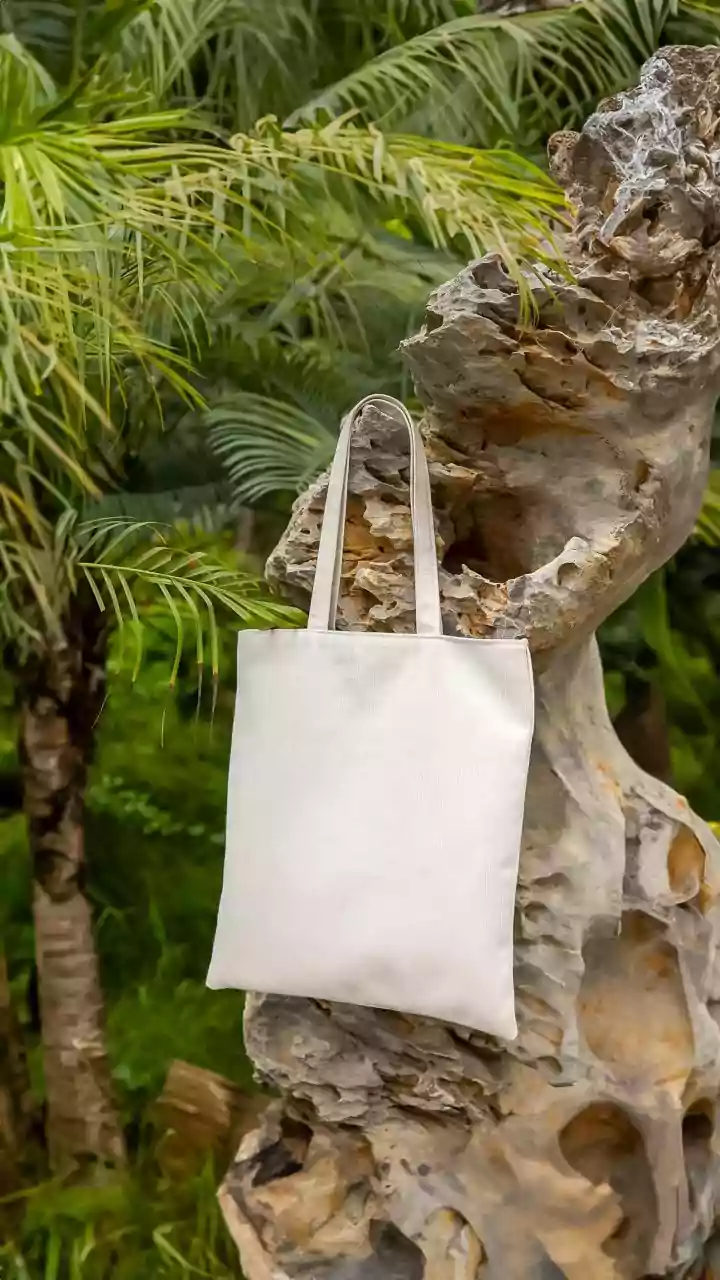
There's a reason why soft, unstructured bags like hobos, soft totes, and bucket bags remain timeless staples. Unlike their rigid counterparts, these bags are praised for their comfort and flexibility. They are often lighter and mold comfortably against
the body, making them a pleasure to carry throughout a busy day. Their relaxed silhouette projects an effortless, bohemian vibe that pairs perfectly with everything from jeans and knitwear to more casual outfits. This laid-back aesthetic is a deliberate design choice that prioritizes the natural character and feel of the material, whether it's supple leather, soft suede, or canvas. An unstructured bag is versatile, easily transitioning from a casual day out to a relaxed evening affair.
The Inevitable Black Hole
The main drawback of a soft handbag is precisely what makes it appealing: its lack of internal structure. While a structured bag maintains its shape whether empty or full, a soft bag’s form is determined by what’s inside it. When lightly filled, the sides tend to collapse inward, causing all your belongings to slide into a jumbled pile at the bottom. This can turn your beautiful bag into a frustrating black hole where keys, lipstick, and your phone seem to disappear on command. Finding what you need often requires a full excavation, which is not ideal when you're in a hurry. Without internal support, the base can also sag under the weight of your items, which can distort the bag's shape and put stress on the material.
Bring Structure to the Slouch
The good news is you don’t have to choose between style and sanity. There are several effective ways to bring order to your beloved slouchy bag. One of the most popular solutions is a handbag organizer or insert. These are essentially fabric organizers, often made of felt, nylon, or canvas, with multiple compartments that fit directly inside your bag. They create an instant internal structure, providing dedicated spots for all your essentials while also helping the bag hold its shape. Many brands offer inserts custom-fit for popular designer totes, but there are also countless universal options available online.
Mastering the Art of Pouches
If a full insert feels like too much, the 'pouch system' is another excellent strategy for organization. This involves using several smaller zippered pouches to categorise your belongings before placing them in the main compartment. You could have one for makeup and beauty items, one for tech like chargers and earbuds, and another for small essentials like keys and a cardholder. This method not only keeps your items tidy and easy to find but also makes switching between handbags incredibly simple—just transfer the pouches. This approach prevents loose items like pens or keys from damaging the bag's interior lining over time.
Preserving Your Bag's Shape
Organization isn't just about what happens when you're using the bag; it's also about how you store it. To prevent a soft bag from creasing and losing its form, it’s crucial to stuff it when not in use. You can use acid-free tissue paper, bubble wrap, or even a soft scarf to give it enough internal support to hold its natural shape. Avoid hanging your bag by its straps for long periods, as this can cause stretching and strain. Instead, store it upright on a shelf. Most high-quality bags come with a dust bag for a reason—use it to protect the material from dust and sunlight. If you don't have one, a clean pillowcase is a great substitute.