







Decoding 'Ultra-Processed' Foods
First, let's clarify what 'ultra-processed' actually means. The term comes from the NOVA classification system, which groups foods by their level of industrial processing. Unprocessed foods are things like fresh fruits, vegetables, and meats. At the other
end of the spectrum, ultra-processed foods (UPFs) are industrial formulations made mostly from substances extracted from foods or synthesized in labs. Think of packaged snacks, sugary cereals, instant noodles, and many ready-to-eat meals. These products often contain additives like colours, flavours, and non-sugar sweeteners to make them highly palatable. The key distinction is that their ingredient lists contain items you wouldn't typically find in a home kitchen.
The Heart of the Matter: Recent Findings
The concern around UPFs isn't just theoretical. A major study presented at the American College of Cardiology's 2026 Scientific Session provided stark new evidence. The research, which followed over 6,800 adults, found that those who ate the most UPFs—over nine servings a day—had a 67% higher risk of suffering a major cardiac event like a heart attack or stroke compared to those who ate about one serving per day. The study also showed that for each additional daily serving of a UPF, the risk of a cardiovascular event increased by over 5%. This link remained even after researchers accounted for other factors like overall diet quality and calorie intake, suggesting there's something about the processing itself that may contribute to harm.
Why Your Overall Diet Is the Real Hero
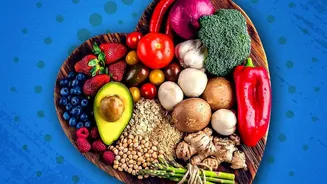
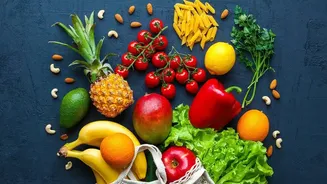
While the statistics are concerning, they don't mean you need to panic over a packet of chips. Nutrition science is increasingly moving away from labelling individual foods as 'good' or 'bad'. Instead, experts emphasize the importance of the overall dietary pattern. A dietary pattern is the sum of all the foods and drinks you regularly consume. You can have an occasional ultra-processed snack, but if your diet is predominantly rich in whole foods—fruits, vegetables, whole grains, and lean proteins—your overall pattern is still a healthy one. The problem arises when UPFs start to dominate the plate, displacing more nutritious, whole foods and creating an unhealthy pattern high in salt, sugar, and unhealthy fats while lacking fibre and essential nutrients.
It's About the Pattern, Not Perfection
Viewing diet through the lens of patterns is more sustainable and less stressful. Classifying foods as strictly off-limits can foster unhealthy eating behaviours. The goal isn't an all-or-nothing approach but a balanced one. Think of it like this: just as one day of unhealthy eating won't ruin your health, one salad won't magically make you healthy. It is the consistent, long-term habits that define your dietary pattern and, ultimately, your health outcomes. Studies consistently show that dietary patterns rich in plant-based foods are associated with a reduced risk of chronic diseases, including cardiovascular disease. The focus should be on building a diet that is, on the whole, nutritious and balanced.
Building a Better, More Balanced Plate
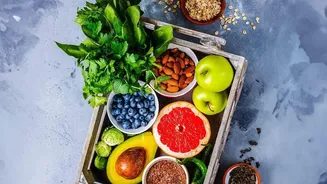
So, how can you improve your dietary pattern without becoming obsessive? Start by focusing on addition rather than subtraction. Instead of only thinking about what to cut out, think about what you can add in—more vegetables at dinner, a piece of fruit for a snack, or switching to whole-grain bread. When you do buy packaged goods, take a moment to read the ingredient list. If it's long and full of unfamiliar, chemical-sounding names, it's likely ultra-processed. Cooking more meals at home is another powerful strategy, as it gives you complete control over the ingredients. Small, consistent shifts toward whole foods will naturally reduce your reliance on ultra-processed options and build a healthier, more resilient dietary pattern for the long run.