



From Sightseeing to Sense-Seeing
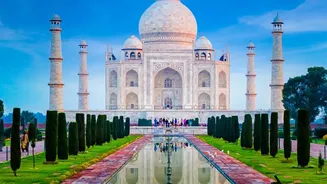
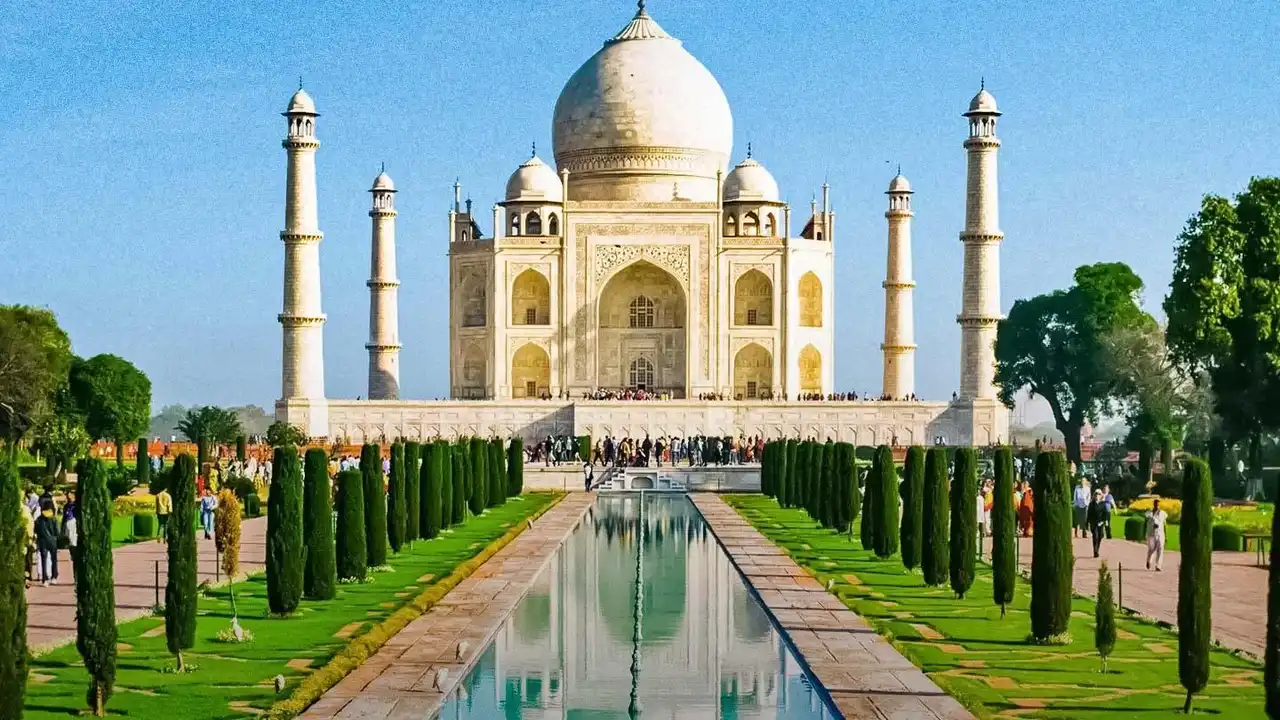
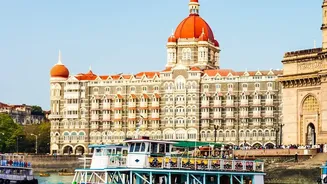
For generations, the grand tour was a race against time, a checklist of must-see attractions. You’d snap a photo of the Colosseum, marvel at the Taj Mahal, and jostle for a view of the Mona Lisa. While these landmarks will always hold their power, a growing
number of travellers are looking beyond the postcard view. They are trading passive observation for active participation. This evolution marks a move from simply seeing a place to truly experiencing it with all the senses—tasting the local flavours, hearing the street-side music, and feeling the rhythm of daily life. It’s a transition from being a spectator to becoming a participant, however briefly, in the culture of a destination.
The Rise of the Culinary Quest
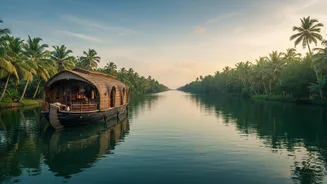
Food has become a primary driver of this new travel philosophy. The global culinary tourism market, valued at over a trillion dollars, is a testament to our growing desire to travel on our stomachs. Research shows that a vast majority of travellers now consider food experiences central to their trip planning. This is about more than just dining out; it's about understanding a place through its palate. Travellers are signing up for pasta-making classes in Tuscany, exploring spice plantations in Kerala, and navigating bustling street food markets in Bangkok. These experiences offer a delicious gateway into a region's history, agriculture, and social customs, creating a connection that a monument alone cannot provide.
Embracing the Beauty of the Everyday
Beyond the kitchen, travellers are seeking authenticity in the mundane. The new cultural itinerary might include learning a traditional craft from a local artisan, staying with a family to understand their daily routines, or participating in a community festival. This approach, often called 'slow travel', prioritises depth over distance. It reflects a yearning for genuine human connection in an increasingly digital world. By engaging with everyday traditions, travellers gain insights that aren't found in guidebooks. They leave not just with photos, but with stories, new skills, and a richer understanding of the world and their place in it.
Why the Shift Is Happening Now
Several factors are fuelling this experiential shift. Post-pandemic, many people are seeking more meaningful and transformative journeys. There's a growing weariness with the over-tourism that plagues famous sites, leading many to seek out lesser-known 'dupe destinations' and off-the-beaten-path experiences. Social media, once a driver of copycat landmark photos, now also showcases unique, story-driven moments that inspire others to seek out similar adventures. Furthermore, a rising consciousness around sustainable travel encourages choices that support local communities directly, something that participating in local life and dining at family-run establishments does inherently.