





What is Simulated Feedback?
For many, the defining characteristics of an electric vehicle are its silence and seamless, linear acceleration. But for some drivers, that silence feels empty and the smoothness lacks character. To address this, Hyundai’s N performance division has developed
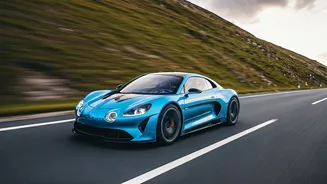
a suite of technologies designed to reintroduce the sensory experience of a combustion engine. This isn't just about playing engine sounds through the speakers; it's a multi-layered system involving simulated gear shifts, vibrations, and customisable sound profiles. The goal is to create a more engaging and emotive connection between the driver and the car, something many feel is lost in the transition to electric power. These features, first showcased in the high-performance Ioniq 5 N, are now being refined for future models.
The Virtual Feel of a Gearshift
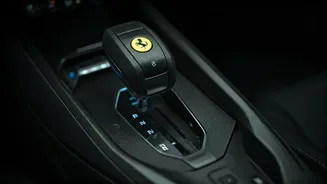
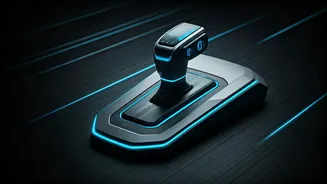
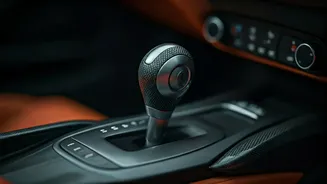
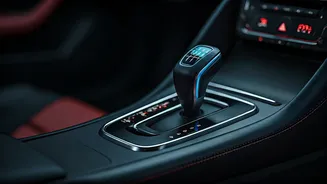
At the heart of this system is a technology called N e-Shift. It is designed to mimic the distinct feeling of an eight-speed dual-clutch transmission (DCT), a hallmark of many modern performance cars. Unlike typical EVs that deliver power in one continuous surge, N e-Shift creates perceptible shifts. By controlling the motor's torque, the system simulates the jolt and change in momentum that occurs during a gear change. This allows drivers to feel the car progressing through a virtual gearbox as they accelerate, complete with rev-matching sensations on downshifts. According to Hyundai, this provides a more precise and interactive driving experience that feels closer to that of a traditional internal combustion engine (ICE) vehicle.
The Sound of Performance
Complementing the physical sensations of N e-Shift is N Active Sound+. This is far more sophisticated than the low-speed hum mandated for pedestrian safety. Using a 10-speaker system with eight internal and two external speakers, it generates a rich, dynamic soundscape that corresponds to the driver's actions. Drivers can choose from several sound profiles. The 'Ignition' theme replicates the sound of Hyundai's 2.0-litre turbo petrol engine, while 'Evolution' offers a more futuristic, EV-specific tone. There’s even a 'Supersonic' mode inspired by jet fighters, which delivers a sonic boom effect during simulated shifts. The system is designed to give drivers an acoustic reference for the power they are using, a crucial piece of feedback in performance driving.
Why Bridge the Analog-Digital Gap?
The push to make EVs feel more like their predecessors is a strategic move to win over a key demographic: the driving enthusiast. For decades, the sounds, vibrations, and mechanical feel of an engine have been central to the character and appeal of performance cars. Many purists have been hesitant to embrace EVs, viewing them as sterile or lacking the 'soul' of a combustion-powered machine. By simulating this feedback, Hyundai aims to provide an emotional bridge for these customers. The technology makes the transition to electric power more accessible and appealing by preserving the interactive elements they love. The success of these features in the Ioniq 5 N has prompted Hyundai to consider rolling them out to more mainstream, non-N models, though it would be reserved for higher-power variants to ensure the feeling is authentic.
A Gimmick or the Future?
While some may dismiss simulated feedback as a gimmick, Hyundai is doubling down. The company is already working on the next generation of this technology, which could include simulated idle noises, vibrations, and even the pops and backfires typical of a high-performance exhaust. However, the automaker also understands that not every driver wants this experience. Crucially, all these features can be turned off with the press of a button, returning the car to the silent, smooth operation of a conventional EV. This offers drivers the best of both worlds: the raw, analogue-style engagement for a spirited drive and the quiet, relaxing comfort for a daily commute. This approach acknowledges that the future of the driving experience may not be about forcing a single identity on EVs, but about giving drivers the power to choose.