









From Mars Ambitions to Marsh Realities
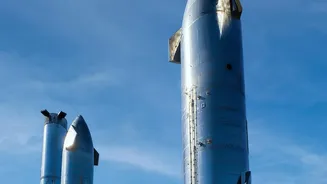
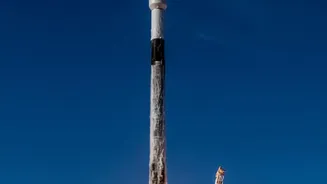
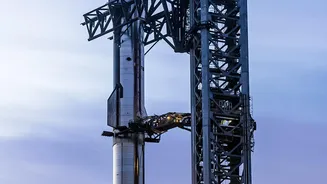
SpaceX has announced plans for Starbase, Louisiana, a sprawling complex near Pecan Island in Vermilion Parish. The proposed $100 billion investment aims to create the world's largest spaceport, designed to support an unprecedented cadence of Starship
flights—the vehicle central to NASA's Artemis moon missions and Elon Musk's long-term Mars colonization goals. Construction is slated to begin in 2027, with the first launch targeted for 2029 on a vast 125,000-acre property. This site, more than eight times the size of Manhattan, will include multiple launch pads, propellant production facilities, and even employee housing. The choice of Louisiana hinges on key logistics: extensive natural gas pipelines for fuel and a coastline for launching rockets over water. However, the chosen location is also one of the nation's most ecologically sensitive and rapidly eroding wetlands.
What's at Stake for the Coast
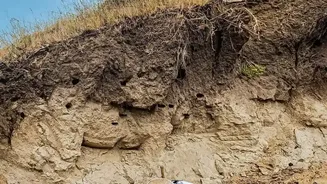
The Louisiana coast is a delicate and vital ecosystem, serving as a critical habitat for migratory birds and a protective buffer against hurricanes. This region, however, is disappearing at an alarming rate, with some parts of the Vermilion Parish shoreline eroding by up to 23 feet per year. Past industrial activity, particularly from oil and gas companies, has left scars on the landscape, contributing to land loss and habitat fragmentation. In fact, the very land for the project became available after a settlement with ExxonMobil over its historical impact on the wetlands. Environmental groups have raised concerns that a project of this magnitude—involving dredging, filling marshland, and intense industrial activity—could cause irreversible harm to wildlife and the fragile coastline, which is already under severe threat from sea-level rise.
The Preservation Promise
In response to these concerns, SpaceX has publicly committed to significant environmental protection and restoration efforts. Company President Gwynne Shotwell stated that protecting and restoring the coast is part of their mission in Louisiana. The company's plan includes creating thousands of acres of new marshland by strategically using dredged materials, which would help reconnect fragmented wetlands and restore natural storm buffers. SpaceX also plans to partner with state and federal agencies to expand Louisiana's existing Coastal Master Plan, funding projects like shoreline-protecting breakwaters. The company has emphasized that it will not develop the entire land footprint, preserving large areas for wildlife habitat and ensuring that recreational activities like hunting and fishing can continue.
A Look at the Track Record
Promises of environmental stewardship are being measured against SpaceX's record at its Starbase facility in Boca Chica, Texas. Operations there have faced scrutiny and legal challenges from environmental groups. In 2024, regulators found that SpaceX had violated the Clean Water Act by releasing pollutants from its launchpad water deluge system. Fires triggered by rocket tests have also damaged nearby wildlife refuge habitats. However, as part of its Texas operations, SpaceX was also required to mitigate its environmental impact by purchasing and preserving over 1,000 acres of land as a "mitigation bank" to offset the wetlands it developed. This mixed record of violations and required mitigation efforts in Texas serves as a critical backdrop for evaluating the company's commitments in Louisiana.
The Path Forward
The Starbase Louisiana project is far from a done deal. It must navigate a complex and potentially lengthy permitting process involving multiple state and federal agencies, most notably the U.S. Army Corps of Engineers, which has authority over wetlands. While state officials are aiming for an expedited six-month permitting timeline, the project will still require a thorough environmental review. Environmental advocates have already signaled they will be watching closely, particularly in light of a recent Federal Aviation Administration proposal that could streamline or even waive certain environmental laws for the commercial space industry. The ultimate scope of the project and its environmental safeguards will be determined through this regulatory gantlet, which will balance economic ambitions with ecological realities.