






The Big Idea: Turning Layovers Into Holidays
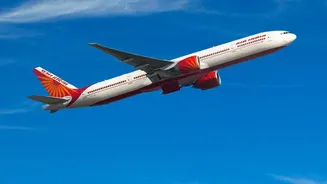
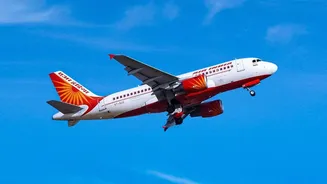
Air India and the Indian Ministry of Tourism have signed a Memorandum of Understanding (MoU) to jointly promote India as a top-tier travel destination. A key part of this collaboration is the plan to develop 'stopover offers' for international passengers
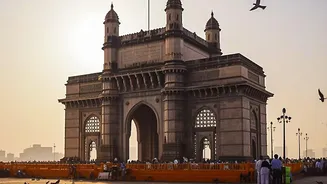
travelling through India. The goal is to encourage travellers who are merely transiting through major hubs like Delhi and Mumbai to extend their stay and experience the country. This initiative would turn a layover, often seen as a tedious wait, into an opportunity for a short, curated holiday. The partnership, a first of its kind between the ministry and a global airline, will leverage the 'Incredible India' campaign and Air India's expanding network to attract visitors.
A Strategic Play to Build a Global Hub
This move is a cornerstone of a much larger ambition: to establish India as a major global aviation hub, capable of competing with established transit points in the Middle East and Southeast Asia. For decades, a significant portion of international travellers from India—estimated at nearly 85% of connecting passengers—have routed their journeys through foreign hubs like Dubai, Doha, or Singapore. The Indian government and airlines like Air India are now determined to shift this traffic to Indian airports. By developing compelling stopover programs, Air India aims to make its hubs in Delhi and Mumbai more attractive, providing a seamless travel experience that keeps passengers and their spending within the country. This hub-and-spoke model is already being rolled out domestically, connecting smaller cities like Varanasi and Amritsar to Delhi for smoother international transfers.
What Could a Stopover Offer Look Like?
While specific details are still being developed, these programs typically involve a package of incentives designed to make a short stay easy and affordable. Drawing inspiration from successful models in other countries, potential offers could include complimentary or heavily discounted hotel stays for one or two nights, simplified visa processes for short-term visitors, and curated city tours. The MoU also mentions exploring a co-branded “Visit India Pass” for international travellers and integrating tourism benefits with Air India's loyalty program. The collaboration will extend to state tourism boards to showcase a variety of destinations and cultural experiences, from heritage sites to museums, ensuring passengers get a meaningful taste of India even on a short visit.
The Economic Ripple Effect
The benefits of a successful stopover program extend far beyond the airline. For every passenger who opts to leave the airport and explore, there is a direct economic impact on the local economy. This includes spending on hotels, food, transportation, and shopping, injecting valuable foreign currency into hub cities. It's a strategy to convert 'transit traffic' into 'tourism revenue'. By capturing even a fraction of the millions of passengers who transit through the region, India can create a significant new stream of tourism income. This initiative aligns perfectly with the broader goal of boosting inbound tourism and enhancing India’s global visibility as a must-visit destination.
From Proposal to Reality: The Road Ahead
The MoU between Air India and the Tourism Ministry is a non-binding agreement that sets the framework for collaboration. Turning this vision into a seamless reality will require coordination across multiple government bodies, including the Ministries of Civil Aviation and Home Affairs, particularly for streamlining visa regulations for short-term transit visitors. The success of the program will hinge on creating an experience that is truly hassle-free, from immigration to ground transport and local tours. While there is no firm launch date yet, the agreement signals a clear and determined push to innovate India’s tourism and aviation sectors, promising exciting new options for global travellers in the near future.