




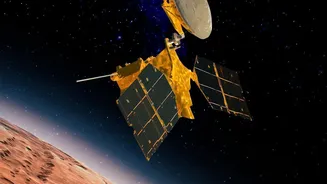
What Is the MMX Mission?
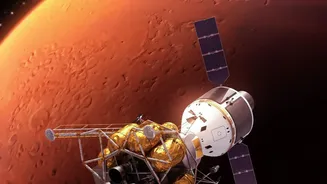
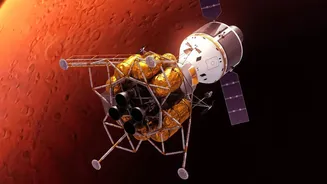
Led by the Japan Aerospace Exploration Agency (JAXA), MMX is a robotic sample-return mission that is arguably one of the most ambitious of its kind ever attempted. Launched from the Tanegashima Space Center, the spacecraft is embarking on a round trip
to the Martian system. Its primary goals are to conduct detailed observations of Mars's two small, enigmatic moons, Phobos and Deimos, and, most importantly, to land on Phobos, collect at least 10 grams of surface material, and return it to Earth. This will be the first time any material has been brought back from the Martian sphere, making it a landmark mission for planetary science. The mission is an international collaboration, with partners including NASA from the United States, as well as the French (CNES) and German (DLR) space agencies.
The Five-Year Grand Tour
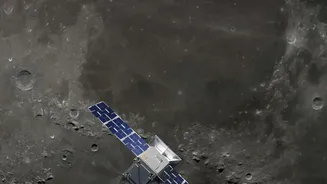
The mission's five-year timeline is a testament to its complexity. After its launch in late 2026, the MMX probe will spend approximately one year travelling to Mars, with its arrival expected in August 2027. Once there, it will not enter orbit around Mars in a traditional sense but will insert itself into a special 'quasi-satellite orbit' that keeps it close to Phobos. This will allow for about three years of close-up study of the moon. During this period, the spacecraft will meticulously map Phobos, observe Deimos during flybys, and identify the best possible sites for its main event: the sample collection. The spacecraft is scheduled to depart the Mars system in 2030 and begin its year-long journey home. The sample-return capsule is expected to land in the Australian desert in 2031, concluding its epic journey.
Solving the Mystery of the Moons
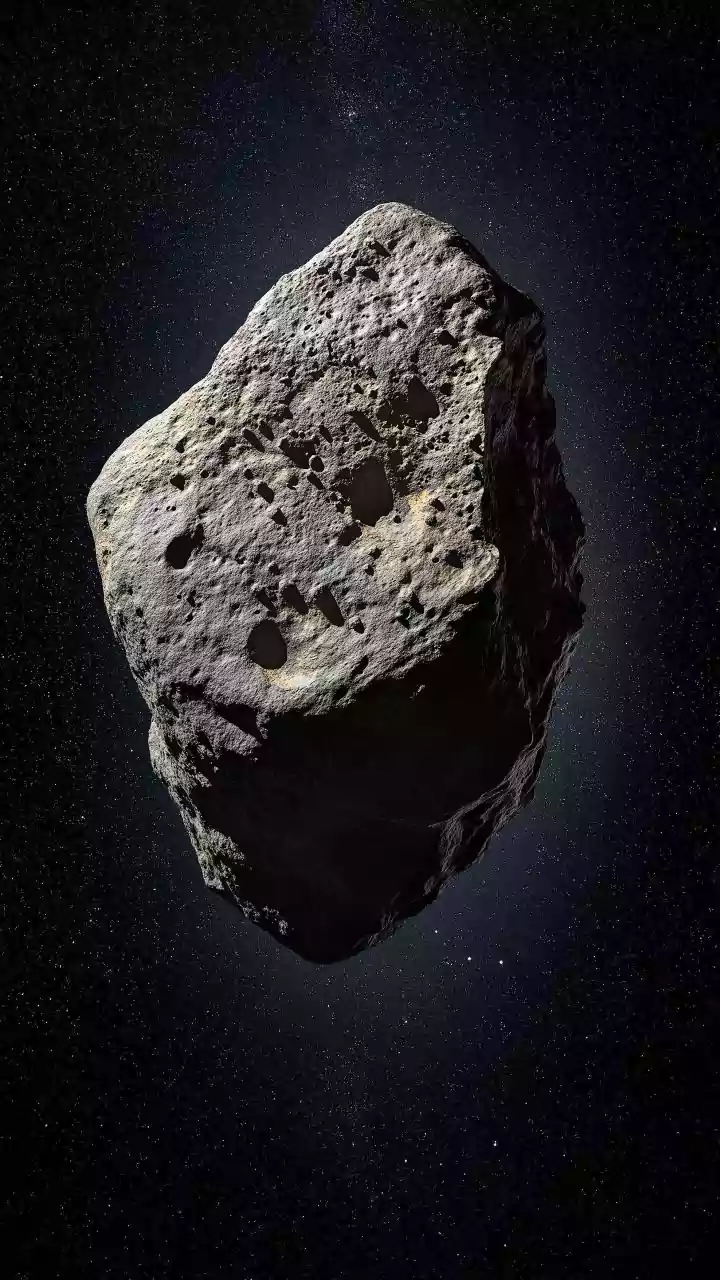
At the heart of the MMX mission is a fundamental question that has puzzled scientists for decades: where did Phobos and Deimos come from? There are two main theories. The first is that the moons are 'captured asteroids'—former wanderers of the solar system that were snared by Mars's gravity long ago. The second hypothesis is that they were formed from debris blasted into orbit after a giant object collided with a young Mars, similar to how our own Moon may have formed. By analysing the composition of the samples returned from Phobos, scientists will be able to determine which theory is correct. If the moons are made of Martian material, the samples could offer a unique window into the Red Planet's ancient past, including its potential to have once hosted water and, possibly, life.
A Daring Landing and a Rover Sidekick
Collecting the sample will be the mission's most challenging phase. Before the main spacecraft lands, it will deploy a small, 25-kilogram rover named 'Idefix', which was built by the French and German space agencies. Idefix will spend about three months exploring the surface, providing crucial data on the terrain and its properties to help mission controllers select a safe landing zone. Due to Phobos's extremely weak gravity, the rover will weigh only about 15 grams there—less than a handful of coins. After the rover's survey, the main MMX spacecraft will perform one or two landings to collect samples. It will use two different mechanisms: a coring device to drill into the surface and a pneumatic sampler that uses pressurised gas to blow material into a collection container in a matter of seconds.