








The Late-Season Advantage
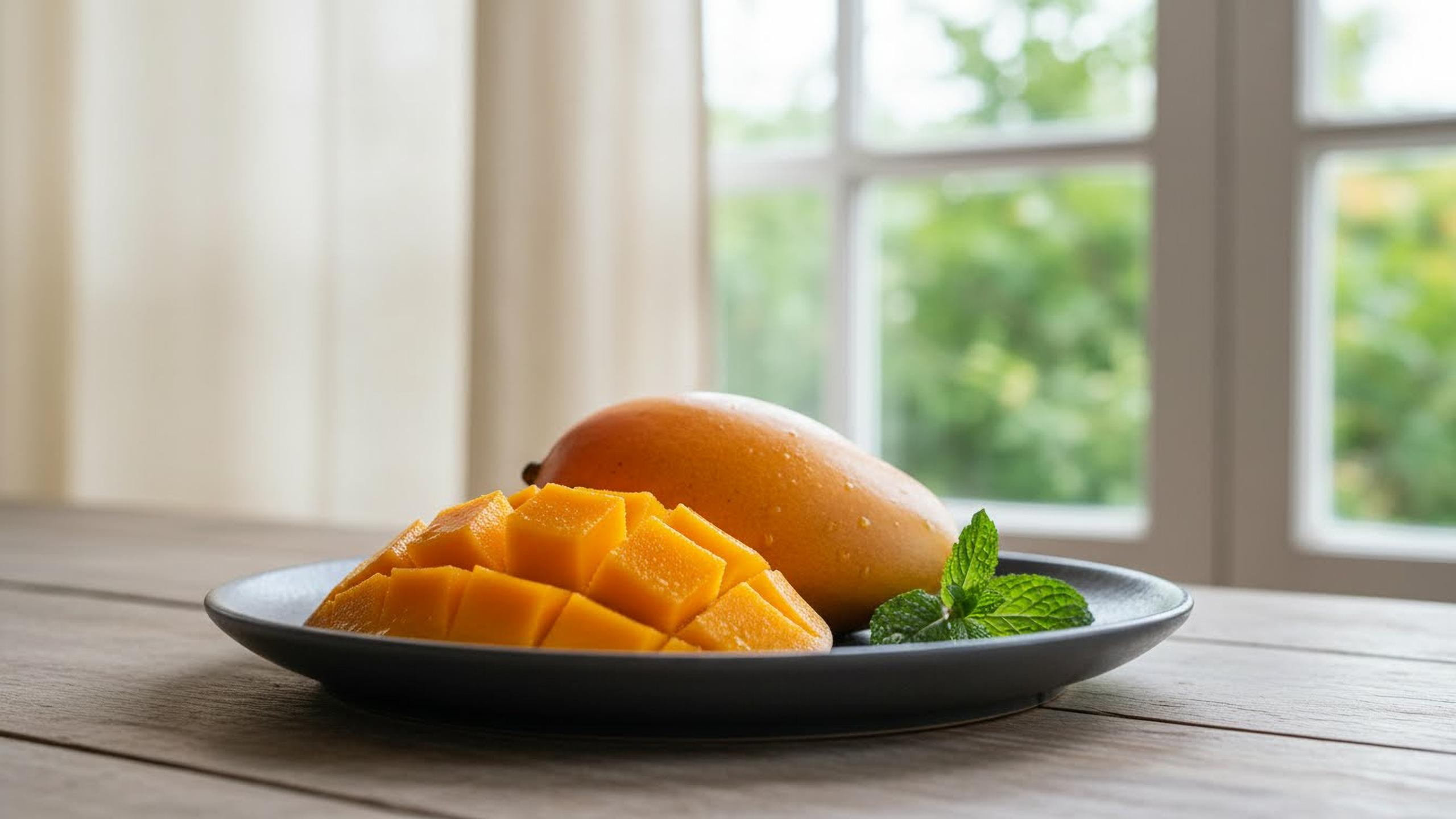
In the highly competitive global mango market, timing is everything. Most premium Indian varieties complete their season by June. This is where Karnataka's strategic shift comes into play. Neelam and Totapuri mangoes are harvested from late June through
July, and sometimes even into August. This allows India to supply fresh and processed mangoes to international markets long after the traditional peak season has ended, filling a crucial supply gap and commanding sustained attention from global buyers. A recent, first-ever air shipment of these varieties from Karnataka to the Maldives on July 30 marks a significant milestone in this strategy, actively promoting the state's late-season mangoes.
Totapuri: The Processing Powerhouse
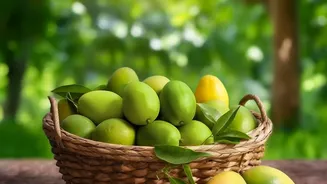
The Totapuri mango, easily recognized by its distinctive parrot-beak shape, is the backbone of India's mango processing industry. While not typically a 'table' fruit for direct consumption, its lower sweetness, tangy flavour, and high pulp content make it the perfect raw material for mango concentrate, puree, and juices. Karnataka, particularly the Kolar district, is a major hub for Totapuri cultivation. For years, farmers faced price crashes due to seasonal gluts and dependency on a few processing units. However, a focused export strategy provides a vital new revenue stream. By directly sourcing from Farmer Producer Organisations (FPOs), exporters are bypassing local market volatility and offering farmers significantly better prices—in some recent cases, ₹30 per kg compared to a local price of just ₹3 to ₹4 per kg.
Neelam: The Fragrant Finisher
If Totapuri is the workhorse, Neelam is the prized finisher. This variety is celebrated for its rich, sweet, and juicy pulp with a distinct floral aroma. Crucially for exports, the Neelam mango has a relatively good shelf life, making it suitable for the rigours of international transport. While smaller than other commercial varieties, its late-season availability makes it a premium offering for fresh consumption in export markets. For farmers, the export demand for Neelam translates into excellent financial returns. A recent shipment saw farmers earn ₹72 per kg, more than double the prevailing domestic market rate. This incentivises the cultivation of high-quality, export-grade fruit.
Cracking the Export Code
The recent success is not accidental. It is the result of a concerted effort led by the Agricultural and Processed Food Products Export Development Authority (APEDA). By facilitating direct linkages between FPOs, such as the Prakruthimaya Farmers Producer Company in Kolar, and new exporters, APEDA is helping to build a more organised and efficient supply chain. This model eliminates intermediaries, ensures better quality control, and boosts farmer incomes by over 50% in some cases. Furthermore, the involvement of new, women-led export ventures like Ahalya Devi Ventures highlights a more inclusive and dynamic agri-export ecosystem taking root in the state.
The Broader Economic Impact
This expansion of the export window has profound implications for Karnataka's rural economy. For farmers in regions like Kolar, who have often suffered from extreme price volatility, this provides a more stable and lucrative market. It encourages investment in quality and post-harvest infrastructure, knowing there is a reliable off-take for their produce. By strengthening India's mango export basket with these late-season varieties, the state is not just selling more mangoes; it's building a year-round reputation for quality and reliability. This move diversifies risk away from a single variety and creates a more resilient agricultural economy, unlocking new opportunities for growers and entrepreneurs alike.