

Putting the Numbers in Perspective
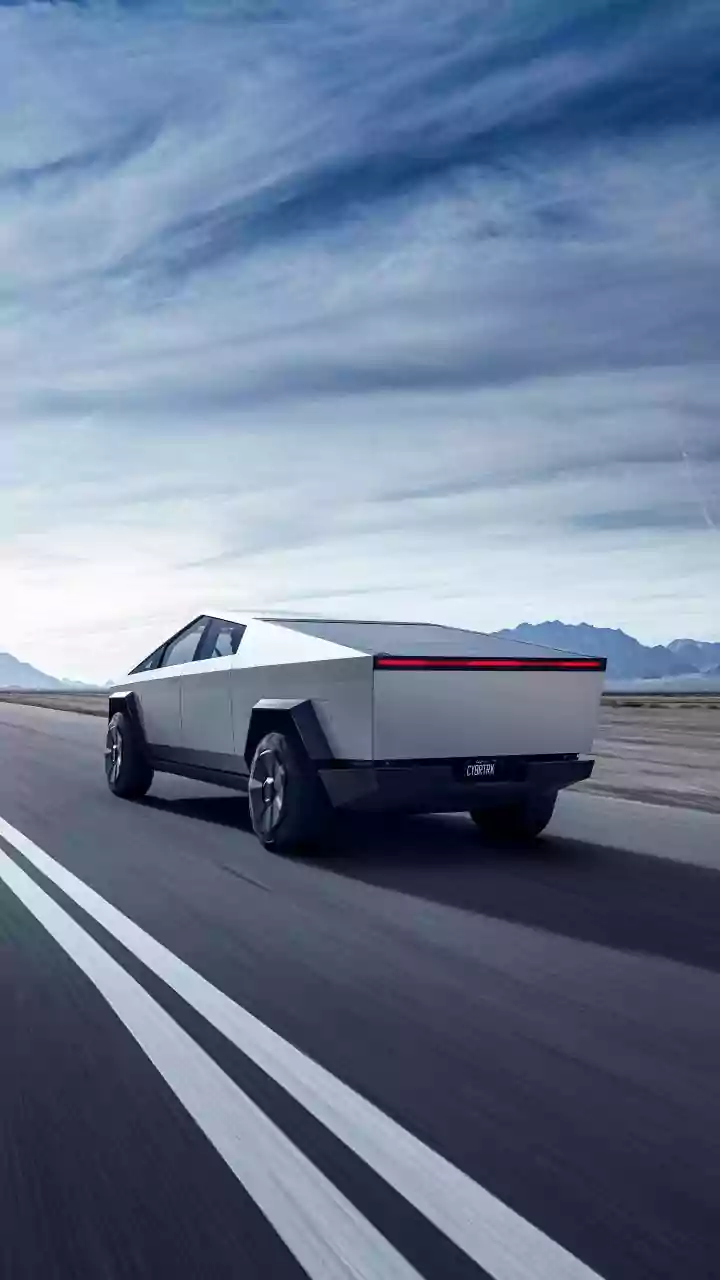
The headline figure of 7,133 U.S. registrations through May 2026, confirmed by S&P Global Mobility data, paints a picture of a product struggling to find its footing. This is a far cry from CEO Elon Musk's ambitious projection of potentially building
more than 250,000 units annually. In its first full year of production, 2024, Tesla sold just under 39,000 Cybertrucks. Sales then saw a significant drop of nearly 48% to just over 20,000 units in 2025. To put it in context, rival Ford sold more F-150 Lightnings in the first quarter of 2025 alone than Tesla registered Cybertrucks. The low numbers have led to comparisons with historical automotive flops like the Ford Edsel, which also failed to meet lofty initial sales targets.
An Unconventional and Difficult Build
A key reason for the slow rollout lies in the very thing that makes the Cybertruck unique: its design. The truck’s body is made of flat panels of unpainted stainless steel, a material notoriously difficult to work with at scale. This unconventional construction has created significant manufacturing challenges, leading to a slower-than-anticipated production ramp-up at Tesla’s Gigafactory in Texas. Reports have consistently highlighted issues with achieving uniform panel gaps and overall build consistency, problems that are less common with traditional stamped steel bodies used by competitors. These production bottlenecks mean that even if demand were higher, Tesla would struggle to build the trucks fast enough to meet it.
A String of Recalls and Quality Concerns
The Cybertruck's launch has been plagued by a series of high-profile recalls, further complicating its market entry. Since deliveries began, the truck has been recalled for multiple issues. One of the most serious was for a faulty accelerator pedal pad that could dislodge and become trapped, causing unintended acceleration. Other recalls have addressed failing windshield wiper motors, trim pieces that could fly off at speed, and software issues with warning light fonts. These quality control problems not only force production halts and service appointments but also erode consumer confidence. Early adopters have flooded social media with complaints, creating a narrative of a premium-priced product with significant teething problems.
A Polarizing Product in a Competitive Market
While production woes explain the supply side, questions are also emerging about demand. The Cybertruck's radical, angular design is polarizing. While it attracted over a million initial reservations, it may be struggling to appeal to a broader market beyond die-hard Tesla fans and early adopters. The initial price was also significantly higher than what was first announced in 2019, with the first 'Foundation Series' models costing over $100,000. In a market with increasingly capable and conventional-looking electric trucks like the Ford F-150 Lightning and Rivian R1T, the Cybertruck's high price and unusual aesthetics may be limiting its addressable market. Furthermore, a portion of the initial registrations have been to other companies led by Elon Musk, such as SpaceX, which raises questions about the true level of organic, public demand.